 0
0
 0
0
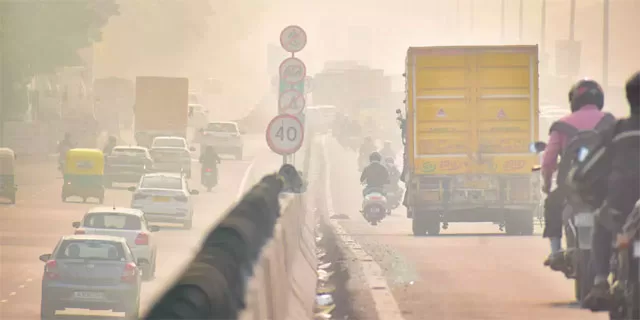
New Delhi, October 17, 2025 — The air quality in Delhi and the National Capital Region (NCR) has sharply deteriorated to the “very poor” category just days ahead of the Diwali festivities, sparking renewed public health alarms. Data from October 16 reveal that several parts of Delhi and neighboring cities including Ghaziabad and Noida have recorded Air Quality Index (AQI) levels exceeding 300, pushing them into the very poor and unhealthy range for all residents to breathe.
The AQI in parts of Delhi such as Anand Vihar and Wazirpur reached values of 335 and 337 respectively, while Ghaziabad’s Loni reported an AQI of 339, the highest in the region. Similarly, Noida’s Sector 125 reported an AQI of 358, underscoring extensive air pollution across the metropolitan area. These levels are concerning as they approach hazardous thresholds that pose serious risks to the respiratory and cardiovascular health of the population, especially vulnerable groups like children, elderly, and those with preexisting conditions.
Key Developments and Cause of Pollution Spike
The sudden drop in air quality follows a surprisingly long monsoon season, which had kept pollution numbers lower than usual for several months. However, the arrival of cooler, drier weather with calm wind conditions has triggered a sharp rise in ground-level ozone and particulate matter concentrations. Experts highlight that the elevated ozone is formed by the reaction between nitrogen oxides and volatile organic compounds (VOCs), largely stemming from vehicular emissions, industrial activity, and construction dust — all without the usual farm stubble burning which has not yet begun.
In response to the grim air quality, the Commission for Air Quality Management (CAQM) has implemented Stage I of the Graded Response Action Plan (GRAP), an emergency protocol restricting pollution sources to curb further degradation. Despite these measures, authorities and residents brace for the traditionally worse pollution spikes coinciding with Diwali, fueled by firecracker emissions and increased traffic.
Historical and Health Context
Delhi’s persistent air pollution crisis is well documented, with the capital ranking among the most polluted cities worldwide. A landmark study revealed that Delhi’s population faces significantly higher respiratory ailments, asthma prevalence, and reduced lung function compared to rural areas. The prevalence of hypertension was also notably higher and correlated with particulate matter exposure. Chronic exposure to particulate matter (PM2.5 and PM10) and ground-level ozone irritates the lungs, exacerbates asthma and chronic obstructive pulmonary disease (COPD), and increases the risk of cardiovascular events.
Children are particularly vulnerable due to their developing respiratory systems and greater air intake relative to body weight. Research has highlighted irreversible lung damage and compromised immune function in millions of Delhi children. In the short term, residents often experience symptoms such as coughing, wheezing, eye irritation, headaches, and fatigue, while long-term exposure increases the risk of chronic diseases and premature mortality.
Expert Perspective
Dr. Neha Sharma, pulmonologist at All India Institute of Medical Sciences (AIIMS), who was not involved in the pollution studies, emphasized, “The current very poor air quality levels in Delhi-NCR are alarming and should serve as a wake-up call. Ozone and particulate pollutants are known triggers for respiratory distress and heart diseases. People need to minimize outdoor exposure, especially children and elderly, and use high-quality masks whenever outside.”
Environmental analyst Sunil Dahiya explained that the unusually long monsoon had delayed typical pollution onset but the current cold weather and still air have created conditions favorable for pollutants to accumulate near ground level. “The next few weeks will test the effectiveness of government pollution control measures,” he stated.
Implications for Public Health and Daily Life
Residents of Delhi-NCR should consider limiting outdoor activities, using air purifiers indoors, and wearing N95 or equivalent masks to reduce inhalation of harmful particulates. Individuals with respiratory or cardiac conditions must be especially vigilant and consult healthcare providers regarding symptom management during high pollution days.
Public health advisories urge the community to avoid burning waste, reduce vehicular trips, and support policies aimed at sustainable pollution control. Moreover, increased awareness about the health risks of air pollution and consistent monitoring can empower residents to take proactive steps.
Limitations and Conflicting Views
While the data clearly document elevated pollutant levels, some argue that without the onset of widespread agricultural burning, the pollution spike is less severe than in past years. Others point out that short-term weather fluctuations can temporarily worsen AQI without reflecting long-term trends. Additionally, the relaxation of firecracker bans this Diwali has sparked controversy, with environmentalists warning of exacerbated pollution while some view it as cultural allowance.
Conclusion
With Delhi-NCR already suffering from very poor air quality well before the Diwali festival, the situation warrants urgent collective action from policymakers, industries, and the public. Awareness of health risks and adherence to pollution control measures will be crucial to minimize adverse health impacts during this high-risk period.
Medical Disclaimer: This article is for informational purposes only and should not be considered medical advice. Always consult with qualified healthcare professionals before making any health-related decisions or changes to your treatment plan. The information presented here is based on current research and expert opinions, which may evolve as new evidence emerges.
References: