 0
0
 0
0
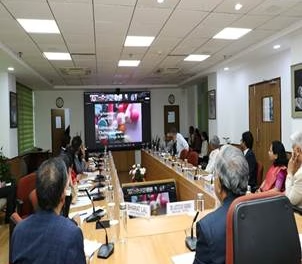
New Delhi, May 8, 2025 – On the occasion of World Thalassemia Day, healthcare experts and advocates in India have renewed calls for mandatory first-trimester Thalassemia screening as part of routine antenatal care. This initiative aims to curb the incidence of Thalassemia major, a severe inherited blood disorder that affects thousands of families across the country.
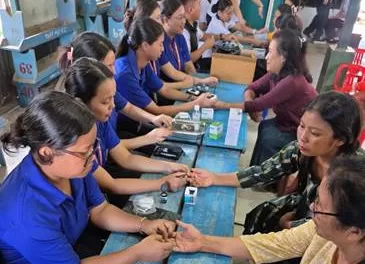
Thalassemia major, characterized by defective hemoglobin production, requires lifelong treatment and imposes a heavy financial burden on affected families. The cost of managing the disorder can reach up to Rs 4 to 5 lakh per child annually. However, experts highlight that a simple screening test, costing approximately Rs 150, administered during the first trimester of pregnancy, can effectively prevent the birth of children with this debilitating condition.
Delhi, with its high institutional delivery rates and approximately 863 daily births, is emerging as a frontrunner in adopting this prevention-first model. Healthcare leaders believe that Delhi’s success could serve as a blueprint for nationwide implementation, potentially reducing the prevalence of Thalassemia major cases across India.
Prominent figures such as Dr. Anupam Sachdeva and Shobha Tuli have voiced strong support for making Thalassemia screening mandatory. They cite international examples like Iran, where compulsory screening programs have drastically lowered the number of affected births. Advocates urge policymakers to adopt similar measures to alleviate the medical and economic strain caused by Thalassemia in India.
The call for mandatory screening is not only a medical imperative but also a socially responsible step towards safeguarding future generations from preventable genetic diseases. As India continues to advance its healthcare infrastructure, integrating Thalassemia screening into standard prenatal care could mark a significant milestone in public health.
Disclaimer:
This article is based on information available as of May 8, 2025, and aims to provide an accurate summary of ongoing healthcare initiatives related to Thalassemia prevention in India. Readers are advised to consult healthcare professionals for personalized medical advice.
Citations: