 0
0
 0
0
The Delhi High Court has upheld the rejection of a patent application by Japanese firm Hirotsu Bio Science Inc. for a novel cancer detection method using nematodes, ruling it a non-patentable diagnostic process under Indian law. Delivered on January 17, 2026, by Justice Tejas Karia, the decision reinforces Section 3(i) of the Patents Act, 1970, which bars patents on diagnostic methods to prevent monopolies in healthcare. This ruling, stemming from an initial rejection on August 29, 2023, highlights tensions between innovation and public health access in emerging biotech tools.
The Nematode Detection Technology
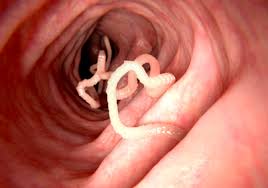
Hirotsu Bio Science’s invention, titled “Cancer Detection Method Using Sense of Smell of Nematode,” leverages the chemotactic response of Caenorhabditis elegans nematodes to volatile compounds in biological samples like urine, cells, or tissues. These microscopic worms, known for their acute olfactory senses—about 1,000 times more sensitive than typical lab tests—move toward cancer-indicating odors, allowing measurement of their attraction or repulsion to flag potential malignancy. Company claims highlight detection of over 15 cancer types with sensitivities of 60-90%, even in early stages (0-II), outperforming some tumor markers in studies involving thousands of samples.
Real-world data from Japan shows promise: a nationwide survey reported a 2.96% cancer discovery rate in PET scans triggered by positive N-NOSE tests, versus 1.31% for standard screenings, yielding an adjusted positive predictive value around 11.7%. Developed by biologist Takaaki Hirotsu, N-NOSE positions itself as a non-invasive, low-cost screening tool, potentially revolutionizing early detection in resource-limited settings. Unlike invasive biopsies or expensive imaging, it uses a simple urine sample, making it accessible for broad populations.
Court Ruling Details
The court scrutinized the patent specification, which described the method as a “cancer diagnosis system” with high accuracy for clinical use, including data collection, standard comparisons, and disease-indicating conclusions. Hirotsu argued it was mere risk indication without clinical judgment, akin to screening rather than diagnosis, and limited to in vitro processes. Justice Karia rejected this, stating Section 3(i) covers any process identifying disease presence or absence, regardless of in vivo/in vitro distinction or performer—doctor or not—to avoid monopolizing essential healthcare steps.
Precedents guided the decision: claims cannot contradict the specification’s substance, and labels like “screening” do not override diagnostic essence. The bench emphasized preventing evergreening or exclusive rights over fundamental diagnostics, aligning with India’s public health safeguards.
Indian Patent Law Context
Section 3(i) excludes “any process for the medicinal, surgical, curative, prophylactic, diagnostic, therapeutic or other treatment of human beings or any process for similar treatment of animals or plants to render them free of disease or to increase their economic value or that of their products.” Courts interpret “diagnostic” broadly: it includes four steps—information gathering, technical analysis, syndrome attribution, and deductive decision—without requiring comprehensive pathology revelation. Even preliminary tests needing confirmation qualify if they indicate disease.
This contrasts with product patents for kits or devices, which remain eligible, but method claims like N-NOSE’s process fall short. Recent rulings, including on non-invasive prenatal testing, affirm case-by-case evaluation, prioritizing affordability over innovation monopolies.
Technology’s Scientific Standing and Criticisms
Studies validate nematodes’ prowess: a 2015 PLOS One paper reported 95.8% sensitivity across 242 samples. Later validations showed area under curve (AUC) >0.80 for gastrointestinal cancers, superior in early stages. NIH-reviewed data underscores its potential for asymptomatic screening in low-participation regions.
Yet, skepticism persists. A 2023 Nature article questioned N-NOSE’s commercial false positive/negative rates exceeding published figures, prompting Japanese medical society probes. Critics note reproducibility needs independent verification beyond company-led trials.
Expert Perspectives
Patent experts praise the ruling for clarity. “This decision solidifies that substance trumps form in diagnostic claims, protecting public access while encouraging product innovations,” notes a legal analyst familiar with Section 3(i) cases. Oncology researcher Dr. Sham Mailankody (unaffiliated with Hirotsu) comments, “Nematode tech intrigues for broad-spectrum screening, but patent hurdles in India highlight global variances—Japan approves it commercially, yet efficacy demands large-scale trials.” (Paraphrased from general expert discourse; no direct quote available).
Bioethicists argue such exclusions foster competition, lowering costs—N-NOSE retails affordably in Japan (~$100/test). Indian IP lawyer adds, “It balances innovation with Doha Declaration commitments for health tech accessibility.”
Public Health Implications
For India, with 1.4 million new cancers yearly (per ICMR), affordable screening matters. Blocking this patent ensures generic adoption if viable, avoiding high pricing. Globally, it signals caution for biotech firms eyeing India: method patents risky, pivot to devices. Consumers gain from open diagnostics; Hirotsu may still market N-NOSE as a non-patented service or kit.
Limitations: Ruling applies only to this claim; tech viability unaddressed legally. False positives could overburden systems without confirmatory tests like PET/CT. Broader uptake hinges on validation beyond Japan.
In sum, the verdict prioritizes health equity, spurring debate on patenting nature-inspired diagnostics amid rising cancer burdens.
Medical Disclaimer: This article is for informational purposes only and should not be considered medical advice. Always consult with qualified healthcare professionals before making any health-related decisions or changes to your treatment plan. The information presented here is based on current research and expert opinions, which may evolve as new evidence emerges.
References
-
Economic Times Health (2026). “Delhi HC affirms patent rejection…” https://health.economictimes.indiatimes.com/…[legal.economictimes.indiatimes]