 0
0
 0
0
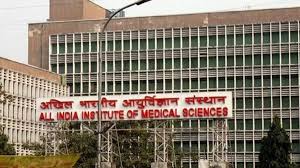
Delhi High Court has ruled that the All India Institute of Medical Sciences (AIIMS) is obligated to pay stipends only to Indian junior resident doctors, and not to foreign postgraduate medical trainees. The court’s decision was based on the fact that AIIMS, as a publicly funded institution, must prioritize stipend payments for domestic students who benefit from Indian taxpayer funds and are expected to contribute to the national healthcare system. Foreign national trainees, admitted under a separate “Foreign” category, do not contribute to the domestic tax base or the national service pipeline, and their training is governed by international cooperation arrangements that do not impose financial liability on AIIMS.
The judgment came after AIIMS challenged a single-judge order directing that foreign-national postgraduate students be paid stipends at par with Indian junior residents. The Delhi High Court bench, comprising Justices Anil Kshetarpal and Harish Vaidyanathan Shankar, upheld AIIMS’ policy, noting that candidates admitted under the foreign category had full prior notice that they would not be entitled to emoluments. The court emphasized that this condition was central to the design of the foreign national admission category, which was created with a distinct diplomatic and financial rationale to avoid financial burden on AIIMS by not paying stipends to foreign students.
Though foreign postgraduate trainees perform the same clinical, academic, and on-call responsibilities as their Indian counterparts, the court maintained that the differentiation in stipend payments is a reasonable classification rooted in fiscal pragmatism. The foreign trainees’ argument that stipend denial was based solely on nationality was not accepted, as the ruling clarified that this distinction reflects the financial and policy framework of AIIMS and is not discriminatory but rather reflects funding sources and service expectations.
Implications for public health include ensuring that government-funded institutions like AIIMS allocate resources primarily to domestic medical trainees who are expected to serve the national health system. This ruling could impact foreign medical trainees’ financial planning and decisions regarding training in India, highlighting the importance of transparency in admission terms. It also underscores the fiscal pressures faced by public health institutions and their obligation to prioritize the interests of domestic healthcare workforce development.
Potential counterarguments emphasize that foreign trainees perform identical duties and may claim equitable financial support. However, the court noted the candidates’ acceptance of the foreign category’s terms upon admission and underscored that funds available from Indian taxpayers cannot be extended to foreign nationals under this international cooperation framework. The ruling reinforces the principle of consent and agreement to terms prior to admission as fundamental to the policy.
Medical Disclaimer: This article is for informational purposes only and should not be considered medical advice. Always consult with qualified healthcare professionals before making any health-related decisions or changes to your treatment plan. The information presented here is based on current research and expert opinions, which may evolve as new evidence emerges.
References:
-
Delhi High Court ruling on AIIMS stipend policy for Indian junior residents vs. foreign PG trainees, November 2025, Medical Dialogues, https://medicaldialogues.in/news/health/doctors/delhi-hc-upholds-aiims-policy-says-institute-obligated-to-pay-stipend-to-indian-junior-resident-doctors-not-foreign-pg-trainees-159245medicaldialogues