 0
0
 0
0
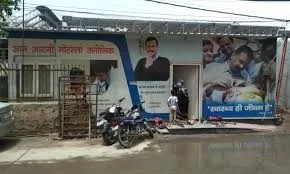
The Delhi government has ordered the closure of 121 mohalla clinics located within one kilometre of newly established Aarogya Mandirs, as part of restructuring the city’s primary healthcare network. This decision has sparked significant backlash from healthcare workers, patients, and political representatives, raising concerns over job losses and reduced healthcare access for vulnerable communities.
Key Developments
The Health Department of Delhi, through an order issued by Dr. Manoj Kumar Gupta, state program officer of the Aam Aadmi Mohalla Cell (AAMC), instructed that 121 mohalla clinics operating out of porta cabins near Aarogya Mandirs be shut down. The staff at these clinics were ordered to complete an inventory of medicines, equipment, and assets by a set deadline. The Mohalla Clinic Union reported that approximately 2,000 healthcare workers, including doctors, pharmacists, and support staff, face potential job losses due to the closures. No prior notice was given to affected staff, intensifying anxieties among employees and communities dependent on these facilities.
Delhi Health Minister Pankaj Kumar Singh defended the decision, stating the closures are part of a broader plan to transition from mohalla clinics to a newer healthcare model with over 100 Ayushman Arogya Mandirs planned to open in the coming months. He described this move as a restructuring effort to phase out the porta cabin clinics in favour of better-equipped permanent health centres.
Public Health Context and Impact
Mohalla clinics have been a cornerstone of Delhi’s primary healthcare system for affordable, locally accessible medical services since their inception under the previous Aam Aadmi Party (AAP) government. These clinics provide doctor consultations, free basic diagnostics, and essential medicines, typically serving 7,000 to 7,500 patients daily citywide. Clinic staff includes a doctor, a pharmacist, and multi-tasking support workers, paid on patient volume basis but often at relatively low wages.
Many residents and healthcare advocates warn that closing these clinics will disrupt access to primary healthcare, especially in underserved neighbourhoods where travel to larger hospitals or health facilities is difficult. Observations from clinics slated for closure report consistent patient footfall, highlighting their community reliance.
Former Health Minister and AAP leader Satyendar Jain condemned the move, calling it a significant setback that risks paralyzing Delhi’s healthcare infrastructure. He urged the government to expand rather than reduce mohalla clinics, emphasizing their importance in delivering basic services and community-based care.
Expert and Union Perspectives
Jitendra Kumar, President of the Mohalla Clinic Union, criticized the government for its abrupt decision, highlighting the risk to thousands of jobs. He noted that while Chief Minister Rekha Gupta had earlier assured clinic workers of absorption into new Ayushman Arogya Mandirs, recruitment for these new centres has proceeded independently, sidelining existing staff. This has intensified fears of widespread unemployment among long-serving healthcare workers, many of whom have been employed since 2017 on modest salaries.
The union has filed an interim Public Interest Litigation (PIL) in the Delhi High Court to challenge the closures, underscoring legal and social resistance to the government’s policy. The matter is pending court hearings next week.
Broader Health System Implications
This restructuring reflects a shift from decentralized, community-based primary care towards centralized health facilities, potentially improving infrastructure and services but risking gaps in access during the transition. The close proximity rule—shutting clinics within one kilometre of Aarogya Mandirs—may leave certain populations temporarily underserved, especially if new Mandirs are not yet operational or are less accessible to some neighbourhoods. Such disruptions could contribute to delayed care for chronic and acute conditions, increased pressure on larger hospitals, and wider health disparities.
Limitations and Counterarguments
The government asserts that some mohalla clinics existed primarily in rented porta cabin setups which were less sustainable. The move to establish permanent Ayushman Arogya Mandirs, equipped with broader services, aims at enhancing healthcare delivery in the long term. Furthermore, the closures could mitigate alleged issues of fraud and inefficiency identified in some porta cabin clinics.
Critics, however, argue that the closure timeline and scale are abrupt and lack adequate provisions for workforce transition or patient continuity. The full benefits of the Ayushman Arogya Mandir model will depend on successful, timely implementation, which remains uncertain.
Practical Implications for Residents
For Delhi’s health-conscious residents and healthcare consumers, these changes mean they may soon have to shift from familiar mohalla clinics to larger health centres for routine medical needs. It is crucial to follow updates on the rollout of Ayushman Arogya Mandirs in their localities, as timely access to primary care affects health outcomes, particularly for chronic disease management and preventive care.
Residents are advised to engage with community health bodies for support and keep track of government announcements regarding service transitions to navigate this evolving healthcare landscape.
Medical Disclaimer:
This article is for informational purposes only and should not be considered medical advice. Always consult with qualified healthcare professionals before making any health-related decisions or changes to your treatment plan. The information presented here is based on current research and expert opinions, which may evolve as new evidence emerges.
References