 1
1
 0
0
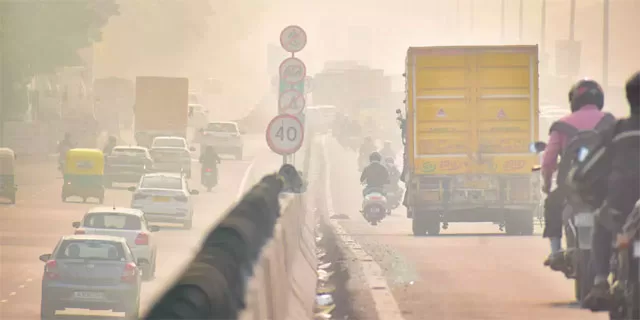
Delhi has entered the ‘red zone’ as air pollution levels surged past the 400 mark on the Air Quality Index (AQI), placing the national capital among the most polluted cities in India and raising urgent public health concerns. On Saturday, the 24-hour average AQI reached 361, with several monitoring stations reporting AQI values above 400, classifying the air quality as “severe” according to the Central Pollution Control Board (CPCB). This level of pollution poses significant health risks for all residents, especially vulnerable populations such as children, the elderly, and those with pre-existing respiratory or cardiovascular conditions.
Key Findings and Current Situation
Recent data from the CPCB shows that multiple areas in Delhi, including Alipur, ITO, Nehru Nagar, Vivek Vihar, Wazirpur, and Burari, recorded AQI values ranging from 404 to 420, all falling into the ‘severe’ category. The surrounding National Capital Region (NCR) cities—Noida, Greater Noida, and Ghaziabad—also reported AQI values above 330, indicating ‘very poor’ air quality. The primary pollutants contributing to this crisis are PM2.5 and PM10, which are fine particulate matter capable of penetrating deep into the lungs and bloodstream.
Stubble burning in neighboring states, particularly Punjab, Haryana, and Uttar Pradesh, is estimated to contribute about 30% of Delhi’s pollution, while the transport sector accounts for another 15.2%. The Air Quality Early Warning System predicts that Delhi’s air quality will remain in the ‘very poor’ category for the coming days, with occasional dips into the ‘severe’ zone.
Health Impacts of Severe Air Pollution
When AQI levels exceed 400, the air is saturated with harmful pollutants such as PM2.5, nitrogen oxides, ozone, and carbon monoxide. These pollutants can cause immediate respiratory distress, including coughing, throat irritation, chest tightness, and shortness of breath, even in healthy individuals. Dr. Vijay Kumar Agrawal, Director of ICU and Pulmonology at Yatharth Super Speciality Hospital, Faridabad, explains, “Even healthy lungs cannot handle air this polluted. When AQI levels go above 400, the air is filled with tiny pollutants that irritate the airways and make breathing harder”.
Long-term exposure to such pollution is linked to chronic respiratory diseases, heart attacks, strokes, and even lung cancer. Children, the elderly, and people with pre-existing health conditions are at the highest risk, but even physically fit individuals may experience breathlessness and reduced lung function during outdoor activities.
Expert Perspectives and Public Health Warnings
Dr. Naresh Trehan, Chairman and Managing Director of Medanta – The Medicity, warns that the current air quality crisis is a major public health hazard. “Public health is at a very high risk right now. There is an increase in lung problems, asthma, strokes,” Trehan stated, emphasizing the need for serious, coordinated measures to address the crisis.
Dr. Chhavi Gupta, an Infectious Diseases Specialist from AIIMS, New Delhi, highlights that air pollution not only impairs respiratory function but also weakens the immune system, making individuals more susceptible to infections such as pneumonia and bronchitis. “Pollutants can cause inflammation in the airways, leading to decreased lung function. This makes individuals more susceptible to respiratory infections,” she said.
WHO Guidelines and Comparative Context
The World Health Organization (WHO) recommends that PM2.5 should not exceed 15 μg/m³ as a 24-hour mean and PM10 should not exceed 45 μg/m³ as a 24-hour mean. In contrast, Delhi’s current PM2.5 and PM10 levels are far above these safe limits, often reaching several times the recommended threshold. This stark difference underscores the severity of the situation and the urgent need for intervention.
Practical Implications for Residents
Residents are advised to minimize outdoor activities, especially strenuous exercise, to reduce exposure to polluted air. Keeping windows and doors closed, using air purifiers, and avoiding areas with heavy traffic or construction can help maintain a cleaner indoor environment. Vulnerable groups, including children, the elderly, and those with chronic health conditions, should take extra precautions and consult healthcare professionals if experiencing respiratory symptoms.
Limitations and Counterarguments
While the health risks of severe air pollution are well-documented, some argue that short-term exposure may not cause irreversible harm for healthy adults. However, experts caution that repeated exposure, especially during periods of ‘severe’ AQI, can lead to cumulative health effects and exacerbate existing conditions. Additionally, the effectiveness of measures like cloud seeding and emergency action plans depends on weather conditions and coordinated implementation across states.
Conclusion
Delhi’s entry into the ‘red zone’ with AQI levels above 400 is a stark reminder of the ongoing public health crisis caused by air pollution. Immediate and sustained action is needed to protect residents and mitigate the long-term health impacts of toxic air. Until air quality improves, individuals should take precautions to minimize exposure and seek medical advice if symptoms arise.
Medical Disclaimer:
This article is for informational purposes only and should not be considered medical advice. Always consult with qualified healthcare professionals before making any health-related decisions or changes to your treatment plan. The information presented here is based on current research and expert opinions, which may evolve as new evidence emerges.
References:
- https://www.financialexpress.com/life/health/fit-but-breathless-pulmonologist-reveals-why-delhis-toxic-aqi-affects-even-athletes/4037099/
- https://www.hindustantimes.com/india-news/delhi-aqi-almost-400-air-quality-index-today-weather-toxic-air-efforts-on-avoid-grap-3-101762650634888.html