 0
0
 0
0
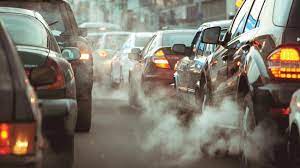
Delhi’s air quality plunged into the ‘very poor’ category following Diwali celebrations, with experts raising concerns about rising pollution, health risks, and the urgent need for effective policy action. On Tuesday morning, the city registered an average Air Quality Index (AQI) of 346 as per the Central Pollution Control Board (CPCB), with multiple areas entering the ‘severe’ zone and PM2.5 concentrations tripling compared to pre-festival levels.
The Immediate Impact: Diwali and Delhi’s Air
-
Despite Supreme Court restrictions allowing only ‘green’ firecrackers between 8-10 pm on Diwali night, Delhi experienced widespread violations, resulting in haze and record-breaking pollution by midnight. By 10 pm Monday, 36 out of 38 monitoring stations reported ‘very poor’ or ‘severe’ air, with Dwarka (417), Ashok Vihar (404), Wazirpur (423), and Anand Vihar (404) topping the pollution charts. Notably, Delhi’s 24-hour average AQI of 345 exceeded last year’s post-Diwali level and marked the city’s most polluted Diwali in several years.
-
The surge in pollution was linked primarily to firecracker emissions, stagnant winds, and temperature inversions that trapped pollutants close to the ground.
Understanding the Numbers
-
Central Pollution Control Board (CPCB) Data: On Diwali night 2025, Delhi’s PM2.5 concentration hit an average of 488 micrograms per cubic metre, with peaks up to 675—far higher than the pre-festival level of 156.6.
-
AQI Definitions:
-
301-400: ‘Very poor’ air quality, triggering health warnings for sensitive groups.
-
401-500: ‘Severe’—can affect healthy people and seriously impact those with existing illnesses.
-
-
Contribution Breakdown (Decision Support System):
-
Transport emissions: 15.6%
-
Industrial and other sources: 23.3%
-
Firecrackers, construction dust, and waste burning contributed significantly during the festival window.
-
Background: Policy and Preventive Measures
-
Graded Response Action Plan (GRAP-II): With the AQI breaching ‘very poor’ levels, Delhi authorities swiftly reimposed Stage II of the Graded Response Action Plan. Measures included strict dust control at construction sites, bans on open waste burning, and increased street sweeping. These interventions follow air quality forecasts from the India Meteorological Department (IMD) and the Indian Institute of Tropical Meteorology (IITM).
-
Expert Commentary: Environmental activist Bhavreen Kandhari stated, “The toxic haze after Diwali is a recurrent reminder of the limitations of current enforcement and the urgent need for community-level awareness and government accountability.” Dr. Sanjeev Baghai, nephrologist, warned, “The immediate health risks, especially for children and the elderly, escalate with exposure to severe pollution levels—even a morning walk can be hazardous on high-AQI days”.
Health Risks: What the Evidence Shows
-
Respiratory Impact: Multiple studies demonstrate links between high PM2.5/PM10 and spikes in respiratory symptoms, lung function deficits, and emergency hospital visits. The acute effects can manifest as asthma attacks, coughing, breathlessness, and chest discomfort. Chronic exposure raises risk for cardiovascular disease, hypertension, chronic headaches, and eye/skin irritation.
-
In Delhi, the prevalence of current asthma was found to be significantly higher than rural controls, with reduced lung function in 40.3% of surveyed residents compared to 20.1% in rural populations.
-
WHO Guidelines: The World Health Organization recommends a PM2.5 24-hour limit of 15 micrograms per cubic metre; Delhi’s pollution after Diwali exceeded this by 20-fold in the worst-hit areas.
Public Health Implications
-
Who Is Most Vulnerable?
-
Children and elders are acutely sensitive to particulate exposure.
-
Individuals with pre-existing respiratory or cardiac conditions may experience exacerbations even after short-term exposure.
-
-
Short-Term and Long-Term Effects:
-
Short-term: Increased rates of emergency hospital visits, sick days, and medication demand.
-
Long-term: Elevated rates of lung disease, heart attacks, stroke, and reduced life expectancy.
-
-
Practical Recommendations: Authorities advise minimizing outdoor activities, especially during morning and evening peak times, using masks, and installing air purifiers indoors. Schools have been urged to restrict outdoor sports and activities during ‘very poor’ air days.
Limitations and Counterarguments
-
Data Gaps: Some experts noted missing pollution data from peak Diwali hours and inconsistencies in monitoring coverage.
-
Efficacy of ‘Green’ Firecrackers: Though ‘green’ variants are marketed as less polluting, emissions remain substantial during mass usage—questioning their ability to prevent festival-time air quality spikes.
-
Meteorological Factors: Crop residue burning in nearby states and low wind speeds in Delhi worsen the accumulation of pollutants post-celebration.
Balancing Tradition with Health Priorities
-
The annual Diwali pollution crisis remains a challenge for policy and public health. While cultural celebrations hold deep significance, responsible behavior—along with stricter mandates and transparent enforcement—will be crucial for safeguarding health.
-
Health experts emphasize that each individual can contribute to better air: avoiding unnecessary firecracker use, supporting clean transport, and demanding action from policymakers.
References
Medical Disclaimer: This article is for informational purposes only and should not be considered medical advice. Always consult with qualified healthcare professionals before making any health-related decisions or changes to your treatment plan. The information presented here is based on current research and expert opinions, which may evolve as new evidence emerges.