 0
0
 0
0
New Delhi – Following the recent Diwali celebrations, Delhi has witnessed a severe escalation in air pollution levels, with particulate matter (PM) 2.5 concentrations averaging alarmingly high at 488 micrograms per cubic meter—far exceeding the World Health Organization’s safe limit of 15 µg/m3. This surge has corresponded with a notable increase in health complaints across the city, including joint pain, respiratory illnesses, flu-like symptoms, and eye irritation, according to frontline medical practitioners and recent data from the Central Pollution Control Board (CPCB).
Key Findings: Health Impact of Toxic Air
The overall Air Quality Index (AQI) in Delhi-NCR post-Diwali has hovered around 400, categorised as ‘very poor,’ with many localities experiencing ‘severe’ pollution levels. Medical professionals highlight that this toxic smog is not only aggravating well-known respiratory conditions but also emerging as a trigger for inflammatory joint diseases. Dr. Uma Kumar, Head of Rheumatology at AIIMS Delhi, warns, “High pollution levels can worsen joint disease. Pollutants such as particulate matter, nitrogen dioxide, and ozone trigger inflammation and oxidative stress in the body, which can aggravate pain, stiffness, and fatigue in people with arthritis”.
Simultaneously, doctors report a sharp rise in respiratory complaints, with outpatient visits to chest physicians increasing by nearly 30 percent. Symptoms include persistent cough, shortness of breath, chest tightness, fatigue, dizziness, and insomnia. doctors stress that air pollution has overtaken smoking as a leading cause of chronic obstructive pulmonary disease (COPD) in the city. Dr. Amit Kumar notes that breathing Delhi’s air is akin to inhaling smoke from six cigarettes daily for non-smokers.
Flu cases have also surged, compounded by the weakened respiratory defences due to pollution exposure. Hospitals report rising influenza-like illnesses, driven by strains including H3N2 and Influenza B. High pollution irritates the respiratory tract, making residents more vulnerable to viral infections.
Context and Background: Delhi’s Air Quality Crisis
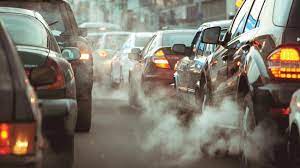
Delhi’s air pollution peaks annually during the winter months, exacerbated by burning crop residues in nearby states, vehicle emissions, industrial pollutants, and festival-related firecrackers. Despite legal restrictions on environmentally harmful fireworks, many residents continue their use, driving particulate matter levels to hazardous heights. The World Health Organization guidelines specify a PM2.5 limit of 15 µg/m3 over 24 hours, but during this period, certain Delhi areas recorded levels up to 24 times higher.
This pollution crisis carries grave implications: according to a 2025 report by the University of Chicago’s Energy Policy Institute, Delhi residents lose an average of 8.2 years of life expectancy due to chronic exposure to PM2.5, more than double the national average. This loss can be mitigated significantly by reducing pollution to WHO standards.
Expert Perspectives
Rheumatology experts emphasize a growing body of evidence linking air pollution to autoimmune inflammatory diseases such as rheumatoid arthritis (RA). Recent international studies, including one in the European Medical Journal (2025), found that long-term PM2.5 exposure raises arthritis risk by 12-18%. Pollution particles infiltrate the bloodstream, inciting systemic inflammation that damages joint tissues.
Dr. Bimlesh Dhar Pandey of Fortis Hospital highlights that residents near busy roads and industrial zones face heightened risks for autoimmune joint diseases due to chronic pollutant exposure impairing immune responses.
For respiratory ailments, pulmonologists describe rising cases of asthma, allergic rhinitis, and COPD linked directly to Delhi’s degraded air quality. The toxic mix of gases and particulates stimulates airway inflammation and respiratory tract irritation, compounding risk for infections like the flu.
Implications for Public Health and Daily Life
This public health emergency calls for heightened vigilance and mitigation efforts. Medical professionals urge residents, especially those with pre-existing respiratory or joint conditions, to limit outdoor exposure during high pollution days, use N95 masks, and deploy air purifiers indoors. Early identification and treatment of symptoms, vaccination for flu, and adherence to prescribed therapies for chronic illnesses become crucial.
Moreover, community-wide actions including strict enforcement of pollution control laws, reduction in firecracker use, and promotion of cleaner technologies are urgently needed to prevent further health deterioration.
Potential Limitations and Counterarguments
While correlations between pollution and health outcomes are robust, some experts caution against attributing all increases in joint or respiratory ailments solely to air quality fluctuations, noting genetic, lifestyle, and concurrent infectious factors also play roles. Additionally, long-term studies are required to fully establish causality and understand individual susceptibility variations.
Medical Disclaimer
This article is for informational purposes only and should not be considered medical advice. Always consult with qualified healthcare professionals before making any health-related decisions or changes to your treatment plan. The information presented here is based on current research and expert opinions, which may evolve as new evidence emerges.
References
- https://timesofindia.indiatimes.com/life-style/health-fitness/health-news/delhis-air-pollution-surges-to-hazardous-levels-post-diwali-threatening-lungs-heart-brain-and-overall-health-heres-how-to-stay-safe/articleshow/124721316.cms
- https://indianewengland.com/delhi-doctors-report-surge-in-respiratory-eye-and-joint-problems-as-post-diwali-air-quality-plummets/