 0
0
 0
0
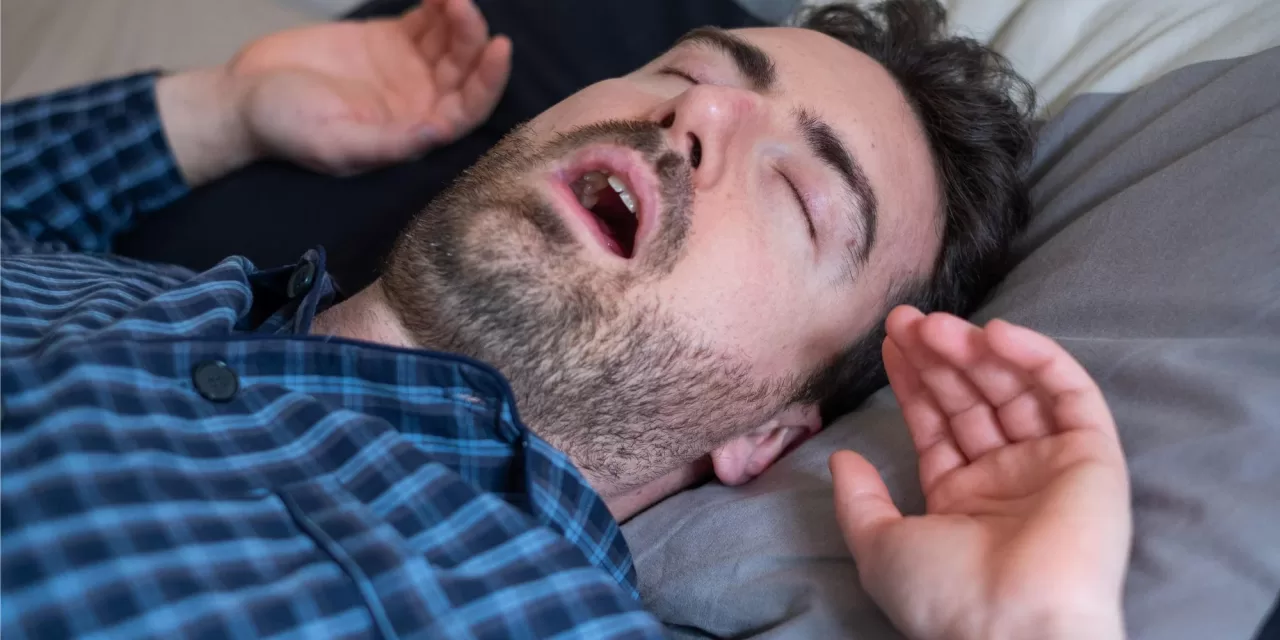
New research is spotlighting a crucial but often overlooked aspect of a good night’s rest: slow-wave sleep, also known as deep sleep. Scientists now believe that maintaining this restorative sleep stage is not just about feeling refreshed in the morning—it could be a powerful tool in the fight against dementia.
Recent studies, including a landmark analysis from the Framingham Heart Study, have found that a gradual decline in slow-wave sleep is closely linked to an increased risk of developing dementia later in life. The research followed 346 adults over 60, tracking their sleep patterns and cognitive health over nearly two decades. The findings were stark: for every 1% annual loss of slow-wave sleep, the risk of dementia rose by 27%. When focusing specifically on Alzheimer’s disease, that risk climbed even higher to 32%.
During slow-wave sleep, the brain produces slow, high-amplitude delta waves, and the body enters its most relaxed state—heart rate slows, blood pressure drops, and muscles become nearly immobile. This phase is critical for memory consolidation, muscle and bone repair, and immune function. Most importantly, it is during this stage that cerebrospinal fluid washes through brain tissue, clearing away toxic proteins such as amyloid and tau—both major suspects in Alzheimer’s disease.
Even a single night of poor deep sleep can lead to a measurable increase in amyloid levels, and chronic shortfalls may allow these harmful proteins to accumulate, eventually damaging brain circuits responsible for memory, planning, and mood.
“Slow-wave sleep, or deep sleep, supports the aging brain in many ways, and we know that sleep augments the clearance of metabolic waste from the brain, including facilitating the clearance of proteins that aggregate in Alzheimer’s disease,” explained Associate Professor Matthew Pase of Monash University. “Our findings suggest that slow-wave sleep loss may be a modifiable dementia risk factor.”
The study also revealed that individuals carrying the APOE ε4 gene, a known risk factor for Alzheimer’s, lose deep sleep faster than their peers. However, even without this genetic variant, a significant decline in slow-wave sleep still predicted higher dementia risk.
The good news is that deep sleep is something people can influence. Simple habits—such as maintaining regular bedtimes, keeping the bedroom cool and dark, avoiding caffeine and alcohol before bed, and taking a warm shower before sleep—can help promote longer and deeper slow-wave sleep. Wearable technology is also making it easier for individuals to monitor their sleep patterns at home.
“By sleeping better and doing your best to practice good sleep hygiene, which is easy to research online, you can gain the benefit of this compensatory function against this type of Alzheimer’s pathology,” said Zsófia Zavecz, postdoctoral researcher at UC Berkeley’s Center for Human Sleep Science.
Disclaimer:
The information in this article is intended for general informational purposes only and does not constitute medical advice. While research suggests a strong association between deep sleep and reduced dementia risk, it does not prove causation. Always consult a healthcare professional for personalized medical advice and before making changes to your sleep routine. This article is based on recent scientific studies and expert commentary, but individual experiences may vary.