 0
0
 0
0
February 5, 2026
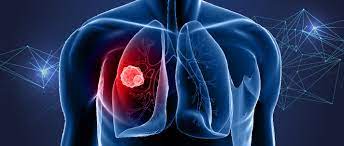
In the high-stakes world of oncology, immunotherapy has long been hailed as a “miracle” for its ability to train the body’s own immune system to hunt and destroy cancer. However, for many patients with non-small cell lung carcinoma (NSCLC), the most common form of lung cancer, the miracle never arrives. Despite its high cost and sophisticated mechanism, only about 20% to 30% of patients see a long-term benefit.
Now, a breakthrough study from the University of Queensland’s (UQ) Frazer Institute in Australia has mapped the “personal lives” of lung cancer cells, revealing that the way a tumor consumes energy—specifically glucose—can predict whether a patient will thrive or fail on immunotherapy.
The Metabolic Map: Mapping “Cellular Neighborhoods”
Published in Nature Communications, the research utilized cutting-edge machine learning and spatial biology to examine tumors at a cellular resolution previously impossible to achieve. The team, led by Associate Professor Arutha Kulasinghe, didn’t just look at what cells were present; they looked at who those cells were “hanging out” with and what they were eating.
The researchers identified distinct “metabolic neighborhoods” within tumors. Much like a city has industrial zones and residential areas, a tumor has regions where cells behave very differently. The study found that in areas where cancer cells were aggressively “processing” glucose (sugar), the immune system was essentially being starved out or outmaneuvered.
“We were able to dive deep into the complex nature of cells, basically looking at the cells’ personal lives in the complex composition of a tumour,” Associate Professor Kulasinghe explained. “We found certain metabolic neighborhoods were associated with response and resistance to immunotherapy.”
The “Sugar Trap”: Why Glucose Matters
Cancer cells are notoriously “sugar-hungry.” This phenomenon, known in the medical world as the Warburg Effect, describes how cancer cells rapidly ferment glucose to fuel their uncontrolled growth.
Lead author James Monkman noted that the team’s analysis focused on exactly where this glucose processing was happening. The results were stark: higher glucose uptake in specific cancer cell clusters was consistently associated with poorer patient outcomes.
“We know cancer cells love sugar, and we analysed where glucose was being processed in the cells and where it wasn’t,” Monkman said. “You could have a region of a tumour processing glucose in a completely different way to another area of the tumour.”
When cancer cells consume glucose at an accelerated rate, they create an acidic, nutrient-depleted environment. This “neighborhood” becomes hostile to T-cells—the “soldiers” of the immune system that immunotherapy tries to activate. If the T-cells are exhausted or starved, the immunotherapy drug, no matter how advanced, has nothing to work with.
The Statistical Reality of Lung Cancer
The need for better predictive tools is urgent. According to data from the World Health Organization (WHO) and the American Cancer Society:
-
Prevalence: Lung cancer is the leading cause of cancer-related deaths globally, with NSCLC accounting for approximately 85% of all cases.
-
Survival Gap: While the 5-year survival rate for localized NSCLC is roughly 65%, that number drops significantly to about 9% once the cancer has metastasized (spread).
-
The Immunotherapy Hurdle: While drugs like Pembrolizumab (Keytruda) have revolutionized care, the “non-responder” rate remains a significant challenge. Estimates suggest that 70% to 80% of unselected NSCLC patients may not see a durable response to single-agent immunotherapy.
Expert Commentary: Moving Toward Precision Medicine
While not involved in the UQ study, independent experts say the ability to “map” these metabolic zones could end the “trial and error” phase of cancer treatment.
“This research adds a critical layer to our understanding of the tumor microenvironment,” says Dr. Elena Rossi, an oncologist specializing in thoracic cancers. “Currently, we rely heavily on biomarkers like PD-L1 expression to guess who will respond to immunotherapy. But it’s an imperfect science. Integrating metabolic data—knowing how the ‘neighborhood’ is fueled—could allow us to identify patients who need a different strategy from day one.”
The practical implications for patients are significant. By identifying those likely to be resistant to standard immunotherapy, doctors can pivot earlier to combination therapies or clinical trials, saving patients precious time and avoiding the side effects of ineffective treatments.
Limitations and the Path Ahead
Despite the excitement, the UQ team acknowledges that this is a starting point. The study used retrospective data and advanced computational models; translating this into a routine hospital test will take time.
Furthermore, the “neighborhoods” are dynamic. A tumor’s metabolism can change over time or in response to treatment, meaning a single biopsy at the start of care might not tell the whole story. There is also the question of cost—spatial biology and machine-learning analysis are currently expensive, specialized tools.
The next phase of the research involves clinical trials to see if “metabolic inhibitors”—drugs designed to block the cancer’s ability to use glucose—can be paired with immunotherapy to “flip the switch” from resistance to response.
What This Means for You
For patients and families currently navigating a lung cancer diagnosis, this research reinforces the move toward Precision Medicine.
-
Ask about Biomarkers: If you are discussing immunotherapy, ask your oncologist about comprehensive biomarker testing.
-
Clinical Trials: If standard immunotherapy isn’t recommended, ask if there are trials focusing on the “metabolic environment” of tumors.
-
Lifestyle Factors: While a “low-sugar diet” cannot cure cancer (a common myth), metabolic health is increasingly recognized as a factor in overall treatment resilience. Always consult a clinical dietitian specialized in oncology.
As Associate Professor Kulasinghe and his team expand their “mapping” to other types of cancer, the goal remains clear: ensuring the right treatment reaches the right patient at the right time.
Medical Disclaimer
Medical Disclaimer: This article is for informational purposes only and should not be considered medical advice. Always consult with qualified healthcare professionals before making any health-related decisions or changes to your treatment plan. The information presented here is based on current research and expert opinions, which may evolve as new evidence emerges.
References
- https://tennews.in/australian-scientists-uncover-how-lung-cancer-cells-can-predict-treatment-response/