 0
0
 0
0
NEW DELHI – A landmark study conducted by the National Drug Dependence Treatment Centre (NDDTC) at the All India Institute of Medical Sciences (AIIMS) has identified a critical genetic marker that may predispose individuals in the Indian population to opioid addiction. The research suggests that a specific variation in the brain’s stress-response system—specifically the galanin pathway—significantly increases the risk of developing opioid dependence, offering a new biological lens through which to view the country’s growing substance use crisis.
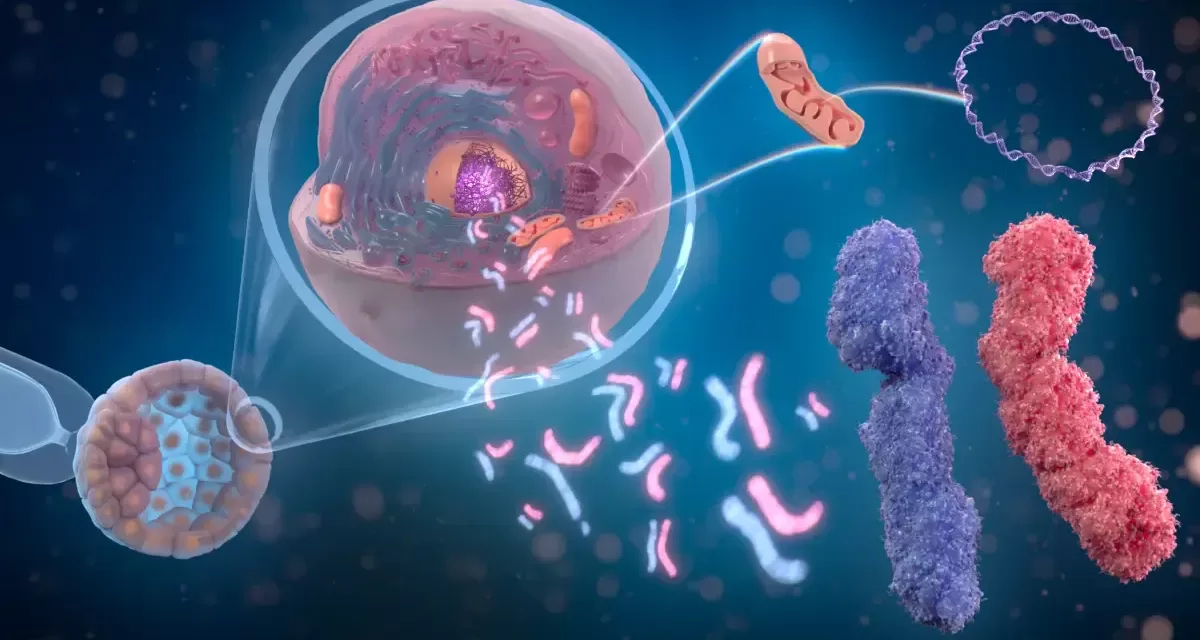
According to the findings published recently, individuals carrying a specific variant of the GALR1 gene (rs9807208) are more than twice as likely to develop a dependency on opioids compared to those without the variant. The study, led by Dr. Atul Ambekar and Dr. Ramandeep from AIIMS New Delhi, highlights an inherited susceptibility that interacts with external stressors, potentially explaining why some individuals are more vulnerable to addiction than others when exposed to the same substances.
The Science of Stress and Reward
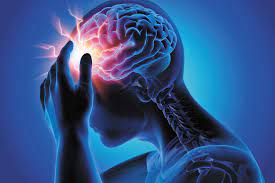
The focus of the AIIMS study was the galanin system, a complex chemical messenger network in the brain that is activated during periods of stress. This system plays a pivotal role in emotional regulation and the “reward” pathways—the same circuits hijacked by highly addictive substances like heroin, morphine, and prescription painkillers.
Researchers analyzed a cohort of 170 men, split into two groups: 85 diagnosed with opioid dependence and 85 healthy controls. By genotyping the participants for specific polymorphisms, the team discovered that the GALR1 rs9807208 variant was significantly more prevalent in the addiction group.
“The minor allele (G) of this gene was associated with a 2.27-fold increased risk of opioid dependence,” the researchers noted in their report. Interestingly, while this gene variant influenced the vulnerability to starting or becoming addicted to the drug, it did not appear to dictate the severity of the addiction or the specific pattern of drug use once the condition had developed.
A Growing Public Health Crisis
The implications of this study are profound for a country grappling with a staggering opioid burden. According to a 2019 report by the Union Ministry of Social Justice and Empowerment, opioid use rates in India are nearly three times the global average. Approximately 22.6 million people in India consume opioids in some form, with heroin being the most prevalent and habit-forming.
Opioid use disorder (OUD) is not merely a social issue; it is a major contributor to global mortality. Opioids account for roughly 66% of the 167,000 drug-related deaths worldwide annually. In India, the crisis is compounded by the misuse of prescription painkillers and over-the-counter cough syrups, which often serve as gateways to more potent illicit drugs.
Expert Perspectives: Beyond Biology
While the AIIMS study provides a biological roadmap, medical experts caution against viewing genetics as a “destiny.”
“Addiction develops through a complex interaction of biological vulnerability, psychological factors, and social stressors,” says Dr. Mantosh Kumar, a senior consultant at Adayu (Fortis Network Hospital), who was not involved in the AIIMS study. “This research is vital because it reinforces that addiction is a medical condition shaped by biology and environment, rather than a moral failing or a lack of willpower.”
Dr. Kumar notes that because stress is a known trigger for both the initiation of drug use and relapse during recovery, identifying those with a “stress-sensitive” genetic profile could eventually lead to more personalized prevention and treatment strategies.
Limitations and Future Research
As with many pioneering genetic studies, the AIIMS researchers have urged a cautious interpretation of the data. The study was exploratory and involved a relatively small, exclusively male sample size (170 participants) recruited from a single tertiary care hospital in North India.
“Larger and more diverse studies are needed to confirm these findings across different ethnicities and genders within India,” the study authors cautioned. Furthermore, the current research does not yet account for “gene-environment” interactions—how specific life traumas or socioeconomic conditions might “turn on” these genetic vulnerabilities.
What This Means for You
For the general public, this research underscores two vital points:
-
Awareness of Vulnerability: Understanding that some individuals are biologically more sensitive to the addictive properties of opioids may encourage more caution when using prescription painkillers for chronic pain.
-
Reducing Stigma: By framing addiction as a condition with a clear genetic and neurobiological basis, the medical community hopes to reduce the social stigma that often prevents people from seeking help.
For healthcare providers, the study points toward a future where genetic screening might help identify high-risk patients before they are prescribed potentially addictive medications, allowing for the use of safer alternatives, such as medical cannabis or non-opioid pain management, where appropriate.
Medical Disclaimer: This article is for informational purposes only and should not be considered medical advice. Always consult with qualified healthcare professionals before making any health-related decisions or changes to your treatment plan. The information presented here is based on current research and expert opinions, which may evolve as new evidence emerges.
Reference Section
- https://health.economictimes.indiatimes.com/news/industry/stress-linked-gene-may-raise-opioid-addiction-risk-in-indians-aiims-study/126158664?utm_source=top_story&utm_medium=homepage