 0
0
 0
0
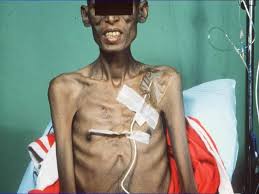
A recent study sheds light on why weight loss in cancer patients is often deadly and what underlies this alarming symptom. Unintentional weight loss, common in people with cancer, may not only signal the disease but also worsen patients’ health outcomes.
Cancer causes weight loss through multiple mechanisms: cancer cells demand more energy, increasing the body’s calorie burn even at rest. They release chemicals affecting metabolism and the body’s ability to use calories from food. This leads to a condition called cachexia, characterized by loss of both fat and muscle despite normal or even increased food intake. The immune system’s inflammatory response to cancer produces cytokines which disrupt appetite control and increase muscle breakdown, exacerbating weight loss. Additionally, cancer-related symptoms such as nausea, vomiting, difficulty swallowing, and feeling full quickly further reduce food intake.
Certain cancers are more strongly associated with weight loss, notably lung, upper gastrointestinal, pancreatic, and ovarian cancers. For example, about 60% of lung cancer patients experience significant weight loss at diagnosis, and upper gastrointestinal cancers show even higher rates at around 80%. Tumors near the stomach or abdomen can cause early satiety by pressing on the digestive organs.
Unintentional weight loss is also linked with increased subsequent cancer risk. One study found that people losing 5% or more of their body weight without dieting had a significantly higher risk of being diagnosed with cancers such as upper gastrointestinal, hematologic, colorectal, and lung cancers within the following year. This underscores the importance of monitoring unexplained weight loss and seeking medical evaluation promptly.
Obesity and cancer are also closely linked. Excess weight increases the risk for multiple cancer types, and associated metabolic and hormonal changes contribute to cancer development. Conversely, intentional weight loss, especially in postmenopausal women, can lower the risk of obesity-related cancers like endometrial and colorectal cancer.
The study highlights the need for awareness of weight loss as a critical symptom in cancer patients, better understanding of the biological mechanisms behind it, and improved strategies to manage cancer-associated weight loss and cachexia to enhance patient outcomes.
Disclaimer: This article summarizes recent research findings and is for informational purposes only. It is not a substitute for professional medical advice. Individuals experiencing unexplained or significant weight loss should consult a healthcare provider for proper diagnosis and treatment.