 0
0
 0
0
Jamaica is facing a deadly outbreak of leptospirosis following the devastating impact of Hurricane Melissa, which struck the island as a Category 5 storm on October 28, 2025. Health officials have confirmed six deaths and 37 cases of the bacterial infection, with many more suspected due to ongoing infrastructure disruptions. The outbreak is directly linked to environmental conditions caused by the hurricane, including widespread flooding and contamination of water and soil.
What is Leptospirosis?
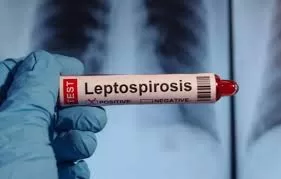
Leptospirosis is a bacterial infection caused by the Leptospira bacteria, typically found in the urine of infected animals such as rodents. Human infection often occurs through contact with contaminated water or soil, especially via cuts or mucous membranes in the eyes, nose, or mouth. Symptoms usually appear within 5 to 14 days post-exposure and can range from mild flu-like signs—fever, headache, muscle aches, chills, vomiting, and red eyes—to severe complications including kidney and liver failure, meningitis, pulmonary hemorrhage, and jaundice. Severe cases are potentially fatal without timely medical intervention.
Impact of Hurricane Melissa on the Outbreak
The hurricane caused extensive flooding and damage to approximately 146,000 buildings in Jamaica, displacing rodents and contaminating water supplies with their urine, which has significantly increased the risk of leptospirosis transmission. Damaged infrastructure continues to hamper communication and health response efforts, likely contributing to underreporting of cases. The incident marks a sharp rise compared to the usual monthly cases of 2 to 21, highlighting the severe public health challenges post-disaster.
Expert Insights and Public Health Response
Dr. Christopher Tufton, Jamaica’s Health Minister, emphasized the heightened risk of exposure among farmers, cleanup crews, emergency responders, and residents navigating flood-affected areas. He warned that “dead animals can harbor the bacteria,” making regular or unusual cleanup activities risky for contraction of the infection. Public health authorities are focusing on enhanced surveillance, prompt diagnosis, and treatment measures to contain the outbreak, including advocating for personal protective equipment when handling flood debris.
Dr. Karen Webster Kerr, Chief Epidemiologist of Jamaica, noted that the outbreak underscores the indirect yet deadly consequences of natural disasters on communicable diseases. International health bodies recommend measures such as rat control, avoiding contact with potentially contaminated water, and wearing protective clothing during cleanup to minimize infection risks.
Implications for Public Health and Prevention
This outbreak in Jamaica is a stark reminder of the vulnerability of communities to waterborne and zoonotic diseases following natural disasters. Public health implications include the necessity for emergency preparedness that integrates disease surveillance and rapid response capabilities. The public is advised to avoid floodwaters, maintain hygiene, cover wounds, and seek immediate medical care if symptoms suggestive of leptospirosis develop.
Leptospirosis prevention also involves community-level interventions such as improving sanitation, rodent control, and ensuring clean water supply. Healthcare providers are urged to maintain a high index of suspicion for leptospirosis in post-flood settings to enable early diagnosis and treatment, reducing morbidity and mortality.
Limitations and Conflicting Views
While the outbreak is clearly linked to the hurricane-induced conditions, limitations include underreporting and diagnostic challenges, as only nine cases have been lab-confirmed out of 37 reported. As the situation evolves, further data and studies will help clarify the full scope and dynamics of the outbreak. Some experts underline the complexity of post-disaster disease control due to competing public health priorities and resource constraints.
Medical Disclaimer: This article is for informational purposes only and should not be considered medical advice. Always consult with qualified healthcare professionals before making any health-related decisions or changes to your treatment plan. The information presented here is based on current research and expert opinions, which may evolve as new evidence emerges.
References