 0
0
 0
0
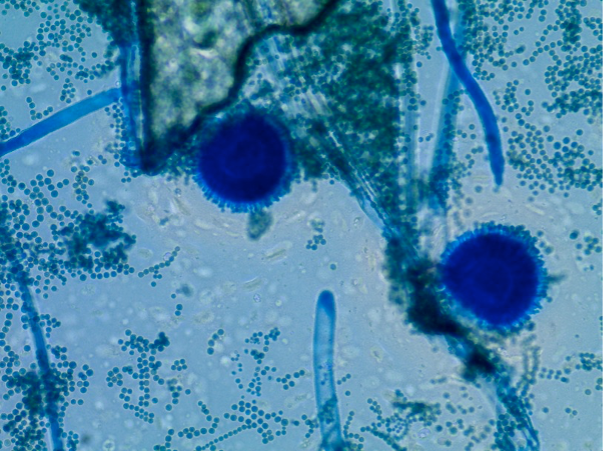
A lethal airborne fungus, Aspergillus fumigatus, is rapidly spreading across the United States, with public health experts raising alarms over its increasing prevalence and resistance to standard treatments. The fungus, which is nearly impossible to avoid due to its microscopic spores, is especially dangerous for individuals with weakened immune systems, including those with cancer, asthma, or HIV.
Rising Infections and Drug Resistance
Aspergillosis, the lung infection caused by Aspergillus fumigatus, can lead to chronic illness, organ failure, and death. The infection is not reportable in the US, making it difficult to track outbreaks and accurately assess its impact. Despite this, invasive aspergillosis hospitalizations increased by about 3% annually between 2000 and 2013, with nearly 15,000 hospital stays linked to the infection by 2014. These cases cost the healthcare system an estimated $1.2 billion1.
Experts warn that rising temperatures and widespread use of antifungal drugs in agriculture are driving both the expansion of the fungus and the emergence of drug-resistant strains. Studies have found azole-resistant Aspergillus fumigatus in farm soils across at least seven US states, with some strains resistant to multiple standard treatments.
High-Risk Regions and Populations
The fungus thrives in warm, damp environments and can survive temperatures above 120°F in compost piles. The highest exposure levels are reported in Florida, Louisiana, Texas, Georgia, and California—states with hot, humid climates and extensive farming activity. Dense urban centers like New York, Houston, and Los Angeles are also vulnerable due to aging infrastructure and high population density.
Global Concern and Health Recommendations
The World Health Organization has designated Aspergillus fumigatus as a “critical priority” due to its high mortality rates and the growing threat of untreatable infections. The organization is urging investment in new antifungal drugs, faster diagnostic tools, and improved hospital protocols.
Doctors advise individuals with compromised immune systems to avoid gardening, soil, and moldy environments, wear protective masks in dusty areas, and ensure clean air circulation in hospitals and homes. US hospitals are strengthening mold inspections and antifungal protocols in response to the growing concern.
Climate Change and Future Risks
A University of Manchester study warns that if fossil fuel use continues unchecked, the range of Aspergillus fumigatus could expand by over 75% by 2100, putting millions more at risk across the southern US. Climate modeling predicts that rising temperatures and changing weather patterns will enable the fungus to spread further, not just in the US but also in Europe, China, and Russia.
Disclaimer
This article is based on current news reports and scientific studies. While efforts have been made to ensure accuracy, the information provided is subject to change as new research becomes available. Readers are encouraged to consult healthcare professionals for medical advice and to stay informed through reputable sources.