 0
0
 0
0
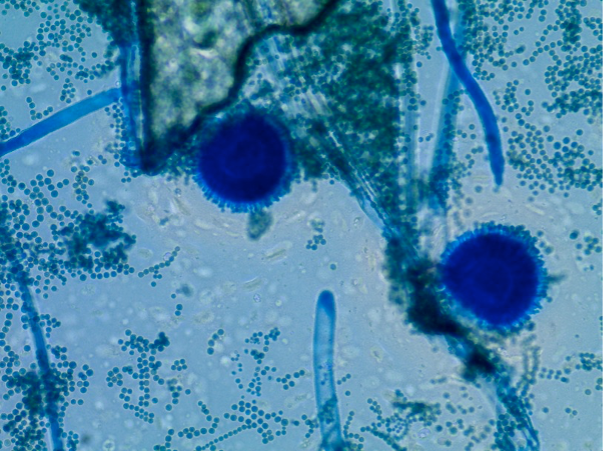
A new study from Manchester University has raised alarms over the potential global spread of deadly Aspergillus fungi as climate change accelerates. These common moulds, already present worldwide, are projected to expand into new regions as rising temperatures create more hospitable environments for their growth.
What Is Aspergillus?
Aspergillus is a diverse group of fungi that can cause aspergillosis, a serious lung disease that may also invade other organs, including the brain. While many people inhale Aspergillus spores daily without issue, individuals with weakened immune systems—such as those with asthma, cystic fibrosis, cancer, or recent severe viral infections—face a much higher risk. If the body cannot clear the spores, the fungus can proliferate internally, leading to severe illness or even death.
Norman van Rijn, a climate change and infectious diseases researcher at Manchester University and one of the study’s authors, described the process bluntly: if unchecked, the fungus can “start to grow and basically kind of eat you from the inside out”. Mortality rates for aspergillosis range from 20% to 40%, and diagnosis is challenging because symptoms often mimic common illnesses like fevers and coughs.
Climate Change and Fungal Expansion
The Manchester study, funded by the Wellcome Trust, used computer simulations to forecast the future spread of Aspergillus species—specifically A. flavus, A. fumigatus, and A. niger. The findings suggest that as the climate warms, these fungi could rapidly colonize new territories in North America, Europe, China, Russia, and Asia.
By 2100, A. fumigatus could expand its range by an additional 77.5%, potentially putting nine million people in Europe at risk. A. flavus, commonly found on crops, could spread to 16% more territory over the same period1. The World Health Organization has already classified A. flavus as a “critical” fungal pathogen due to its public health impact and growing resistance to antifungal treatments.
Professor Elaine Bignell, co-director at the MRC Centre for Medical Mycology at Exeter University, noted that the fungus’s ability to thrive at high temperatures in compost may give it a unique advantage in colonizing human lungs as the environment warms.
The Broader Threat of Fungal Pathogens
Fungal diseases are estimated to cause 5% of all deaths globally, yet they remain under-researched compared to viruses and parasites. Experts warn that as fungal pathogens become more resistant to available treatments, the risks posed by their spread will only increase.
Bignell emphasized the importance of the new study, stating it “rightfully shines a light on the threat of fungi that dwell in our natural environment and how under-prepared we are to cope with shifts in their prevalence.” However, she also cautioned that significant uncertainties remain, and further research is urgently needed.
“Fungi are relatively under-researched compared to viruses and parasites, but these maps show that fungal pathogens will likely impact most areas of the world in the future,” said van Rijn.
Disclaimer:
This article is based on findings reported by Manchester University and summarized from Firstpost. The information reflects current scientific understanding and projections, which may evolve as new research emerges. Readers should consult health professionals for medical advice and stay informed through official health channels.
Citations: