 1
1
 0
0
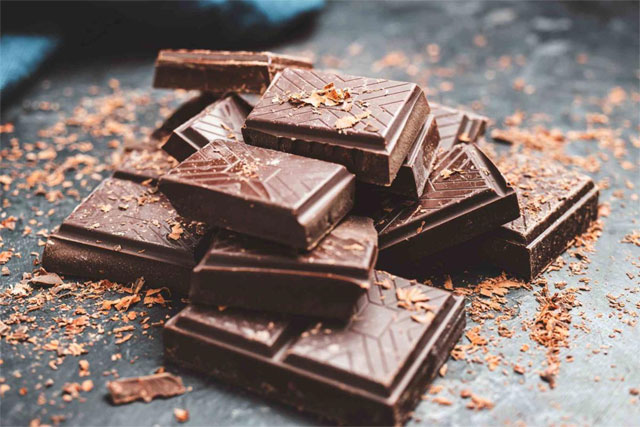
A recent study from Japan’s Shibaura Institute of Technology, published in the journal Current Research in Food Science, investigated the effects of flavanols found in dark chocolate and berries on memory and stress. Using an animal model, researchers administered flavanols to mice, revealing enhanced motor activity, exploratory behavior, and improved learning and memory compared to control animals. The team found that these compounds act as moderate stressors, activating the central nervous system in a way that resembles the physiological benefits of physical exercise. Dr. Yasuyuki Fujii, lead investigator, explained that moderate flavanol intake, despite their low bioavailability, may enhance quality of life by boosting cognitive functions and stress responses.
The biological mechanisms identified include increased neurotransmitters such as dopamine and norepinephrine linked to motivation, attention, and arousal. Enzymes related to noradrenaline synthesis were upregulated, strengthening nerve signaling, while stress hormone levels and brain activity in stress-regulatory regions increased, signaling a balanced stress response activation.
Supporting Evidence from Human Studies
Beyond animal models, human research adds weight to these findings. A randomized controlled trial in healthy young adults showed that consumption of commercially available dark chocolate improved verbal episodic memory performance compared to white chocolate, suggesting practical cognitive benefits from everyday portions of dark chocolate. Another study found that daily intake of dark chocolate for two weeks reduced stress hormone levels and perceived stress in participants, with observed reductions in cortisol and epinephrine during stress tests.
Parallel studies on berries, especially those rich in anthocyanins such as blueberries and strawberries, indicate improvements in memory, executive function, and vascular health. For instance, a 12-week trial in older adults demonstrated that daily consumption of wild blueberries enhanced memory, attention, and blood flow, which lowers cardiovascular risk. The antioxidants and anti-inflammatory effects of flavonoids in berries help protect brain cells from aging and oxidative stress, contributing to improved cognitive performance.
Expert Perspectives
Nutritionist Dr. Ana Rodriguez-Mateos, involved in research on blueberries and brain health, noted that the polyphenols in berries not only improve cognition but also cardiovascular function, highlighting the interconnectedness of vascular and brain health. Neurology expert Professor Claire Williams explained that these foods’ bioactive compounds support healthy aging by maintaining mental flexibility and memory.
Dr. Yasuyuki Fujii emphasized the similarity between flavanol effects and exercise-induced stress responses, advocating moderate consumption of flavanol-rich foods as a non-pharmacological option to enhance brain health and stress resilience.
Public Health Implications
The growing body of evidence on flavanol-rich foods points to practical dietary strategies for improving cognitive health and reducing stress, which is particularly relevant in aging populations and high-stress environments. Integrating moderate amounts of dark chocolate and berries into a balanced diet may offer accessible, enjoyable ways to support brain function and mental well-being.
Health professionals might consider recommending these foods alongside other lifestyle modifications such as physical activity and stress management techniques. However, caution is warranted regarding portion sizes, given the caloric density of chocolate and potential sugar content. Future research should explore optimal doses, long-term effects, and implications for different demographic groups.
Limitations and Considerations
While animal studies provide important mechanistic insights, translating these findings to humans requires careful validation through well-designed clinical trials. Factors such as bioavailability of flavanols, individual metabolism, and food source variability influence outcomes. Some studies feature small sample sizes or short durations, limiting generalizability.
Additionally, chocolate products vary widely in flavanol content, and not all commercial dark chocolates offer the same benefits. The sweetness and fat content of some chocolates could offset potential health advantages if consumed excessively. Meanwhile, berry-based studies typically involve high-quality, freeze-dried or concentrated forms, which may differ from everyday fresh fruit intake.
Medical Disclaimer
This article is for informational purposes only and should not be considered medical advice. Always consult with qualified healthcare professionals before making any health-related decisions or changes to your treatment plan. The information presented here is based on current research and expert opinions, which may evolve as new evidence emerges.
References