 0
0
 0
0
In Kolhapur, Maharashtra, a state-run hospital faces serious allegations of unethical practices as 24 doctors from the Gynaecology and Obstetrics Department stand accused of diverting patient blood samples to private labs for testing, potentially for commissions known as “cut practice.” An internal probe panel uncovered the issue after complaints surfaced, revealing referrals even though the hospital’s central lab operates 24/7 with all necessary tests available. The case, forwarded to state health authorities this week, highlights ongoing challenges in India’s public healthcare system where vulnerable patients bear the cost.
Incident Details
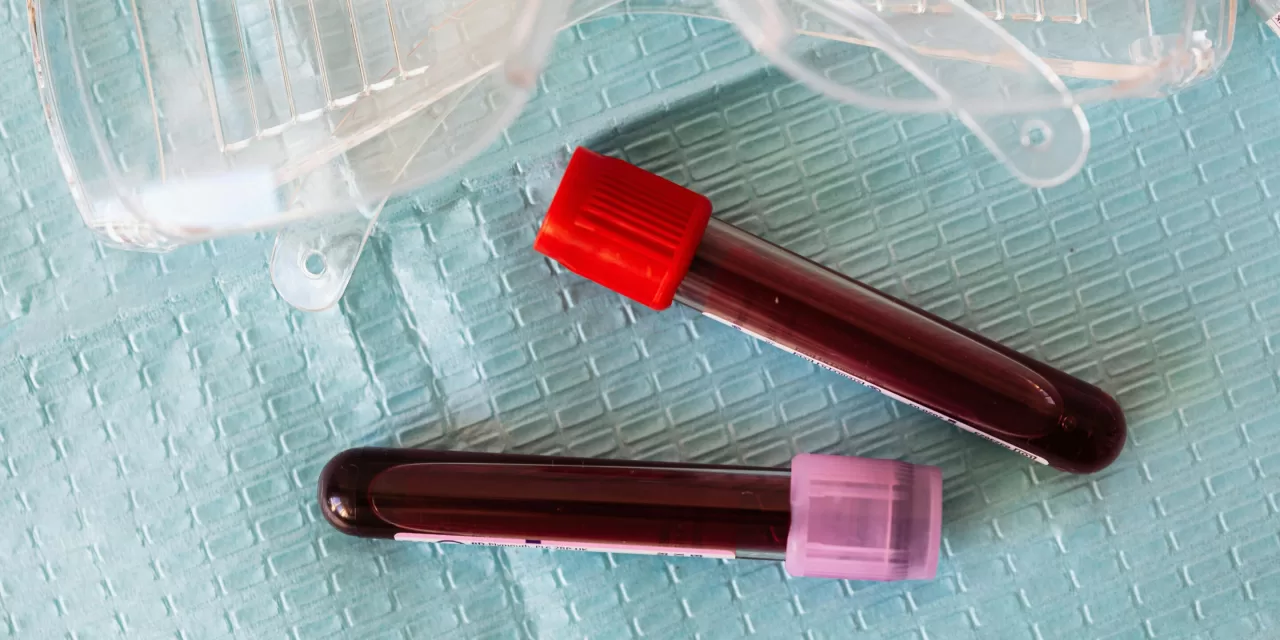
A five-member panel from Rajarshi Chhatrapati Shahu Maharaj Government Medical College investigated complaints at Chhatrapati Pramila Raje Hospital, finding that 22 pregnant women from low-income backgrounds had their blood samples— for tests like complete blood count, HIV, liver function, kidney function, and Hepatitis B—sent to private facilities charging Rs 2,000 to Rs 7,000 per test. Private lab agents allegedly waited outside the outpatient department (OPD) to facilitate these referrals, despite the hospital offering free or subsidized services including deliveries and medications. The implicated doctors, including professors, assistant professors, senior residents, and junior residents, defended their actions by claiming emergencies or kit shortages, but lab officials confirmed full availability round-the-clock.
Hospital Dean Sadanand Bhise confirmed memos were issued to the doctors warning against such practices, stating, “Most of the required blood tests are carried out in our central laboratory; there is no need at all to refer patients to private labs.” The panel’s report has reached Maharashtra’s state health department, which will decide on disciplinary actions. Activist Rupesh Patil, who flagged the issue, demanded similar probes in other departments and strict penalties, noting, “We wanted to bring an end to the practice being followed in the department.”
Understanding Cut Practice
Cut practice involves healthcare providers receiving commissions or kickbacks—typically 30-50% of test fees—for referring patients to private diagnostic centers, pharmacies, or specialists. A Pune study indicated 70-80% of doctors engage in this, fueling unnecessary tests and escalating patient costs in a system where public facilities should suffice. The Indian Medical Council (IMC) Professional Conduct, Etiquette and Ethics Regulations, 2002, explicitly prohibit such referrals for personal gain, classifying them as professional misconduct punishable by removal from the medical register.
In Maharashtra, a draft Prevention of Cut Practices in Healthcare Services Act (2017) proposed fines up to Rs 50,000 and up to five years’ imprisonment, empowering the Anti-Corruption Bureau (ACB), but it stalled amid doctor protests over potential harassment via false complaints. The Indian Medical Association (IMA) supports zero tolerance for unethical practices but advocates district-level committees with medical representatives over police-led probes, emphasizing fines over jail and clear definitions to avoid gray areas.
Broader Context in India
This Kolhapur incident reflects a persistent issue in Indian healthcare, where rapid commercialization has intertwined public and private sectors. Public hospitals like Chhatrapati Pramila Raje, serving economically disadvantaged patients, subsidize tests far below private rates, yet referrals persist, burdening the poor who access nearly free care. Prevalence data shows cut practice rampant, with commissions driving 70-80% doctor involvement in some regions, leading to overtreatment and eroded trust.
Nationally, the National Medical Commission (NMC), successor to MCI, reinforces ethics codes banning cuts, with state councils empowered for inquiries resolvable within six months. Past scandals, like unauthorized accounts at Mumbai’s JJ Hospital collecting crores, have revived calls for the stalled Maharashtra bill. In Kolhapur, earlier probes exposed similar collusions, with refunds over Rs 14,000 to 15 patients, signaling a pattern.
Expert Perspectives
Dr. Himmatrao Bawaskar, a Padma Shri awardee combating healthcare corruption, urges reviving anti-cut laws, warning that without them, scandals like Kolhapur’s will recur, diverting focus from patient care. IMA Maharashtra President Ashok Tambe echoes concerns over ACB involvement, advocating ethical self-regulation via strengthened councils to protect genuine practitioners from misuse. Dr. K. Srinath Reddy, public health expert, stresses government action against culprits to end the menace, noting it undermines affordable care initiatives.
Not all doctors defend the accused; many view cut practice as a betrayal of oaths, with IMA publicly condemning it despite opposing harsh criminalization. “Clear definitions and council-led probes ensure fairness,” said an IMA spokesperson in past statements.
Public Health Implications
Vulnerable pregnant women in Kolhapur—often from weak economic strata—faced inflated costs for routine tests available in-house, potentially delaying care or causing financial strain amid schemes like free deliveries. Nationally, cut practice inflates healthcare expenses by 30-50%, disproportionately hitting low-income groups reliant on public facilities (70% rural, 80% urban private reliance despite burdens). It erodes trust, discourages hospital use, and promotes self-medication (prevalence 53-92%), risking health complications.
For patients, implications include verifying in-house options before private referrals and reporting suspicions to medical councils. Hospitals must audit referrals to safeguard subsidies under Ayushman Bharat.
Limitations and Counterpoints
Doctors claimed emergency needs or kit shortages, though disproven, highlighting potential resource gaps in public labs despite claims. Critics argue broad laws risk harassing ethical doctors via frivolous complaints, diverting clinical focus. No convictions yet in Kolhapur; outcomes depend on state action, which has lagged in similar cases. Investigations rely on complaints, possibly missing systemic issues.
References
-
Misra, B. (2026, January 6). Cut practice allegations: Kolhapur’s hospital 24 doctors under scanner for referring patients to private labs. Medical Dialogues. https://medicaldialogues.in/news/health/doctors/cut-practice-allegations-kolhapurs-hospital-24-doctors-under-scanner-for-referring-patients-to-private-labs-162135
Medical Disclaimer: This article is for informational purposes only and should not be considered medical advice. Always consult with qualified healthcare professionals before making any health-related decisions or changes to your treatment plan. The information presented here is based on current research and expert opinions, which may evolve as new evidence emerges.