 0
0
 0
0
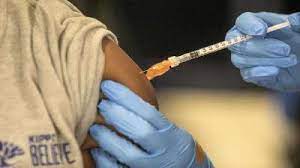
Scientists have made a significant breakthrough in cancer treatment with the development of an experimental mRNA vaccine that successfully eliminated tumors in mice, offering renewed hope for a universal cancer therapy. Developed by researchers at the University of Florida (UF), this new mRNA vaccine supercharges the immune system, allowing it to attack tumors more effectively, potentially changing the future landscape of cancer care.
Key Findings and Developments
The study, published recently in the journal Nature Biomedical Engineering, reveals that the mRNA vaccine triggers a powerful immune response that enhances the efficacy of immune checkpoint inhibitors—a class of immunotherapy drugs widely used to treat various cancers. Unlike traditional cancer vaccines that target specific tumor proteins or are personalized to individual patients, this vaccine stimulates the immune system to respond as though it is fighting a viral infection, thereby “waking up” the immune cells to attack tumors more broadly.
In mouse models of melanoma, combining the mRNA vaccine with a PD-1 inhibitor led to tumor shrinkage and in some cases, complete tumor eradication. Further tests in models of skin, bone, and brain cancers showed that the vaccine alone could trigger tumor elimination in many instances. This approach involves inducing the expression of PD-L1 protein inside tumors, which sensitizes them to immunotherapy.
Dr. Elias Sayour, UF Health pediatric oncologist and principal investigator, said, “This is a proof of concept that these vaccines could be developed as universal cancer vaccines to sensitize the immune system against an individual’s tumor.” His team has previously made strides with personalized mRNA vaccines for glioblastoma—a deadly brain cancer—showing encouraging immune responses in small human trials.
Expert Perspectives and Context
Dr. Duane Mitchell, co-author of the study and director of UF’s Clinical Translational Science Institute, emphasized the novelty of this approach, stating: “By using a vaccine designed not to target cancer specifically but to stimulate a strong immunologic response, we elicited a very potent anticancer reaction. This could potentially lead to an off-the-shelf vaccine usable across many cancer types.”
The research builds on prior successes with mRNA technology, similar to those used in COVID-19 vaccines, but diverges by targeting immune activation rather than specific viral proteins. This vaccine leverages the body’s innate immunity, activating T cells that previously showed little activity against tumors and revving up an anti-cancer immune response.
Implications for Public Health
If these promising mouse model results translate to humans, it would represent a profound shift in cancer treatment, moving beyond surgery, radiation, and chemotherapy to a systemic, immune-based therapy suitable for a broad spectrum of tumors. The prospect of an “off-the-shelf” universal cancer vaccine could reduce costs, simplify treatment, and dramatically improve survival outcomes, especially for treatment-resistant cancers.
The vaccine might also serve as an adjunct to existing immunotherapies, enhancing their effectiveness and possibly preventing cancer recurrence by keeping the immune system alert to residual disease.
Limitations and Cautious Optimism
Despite the excitement, experts caution that these findings are preliminary. The vaccine’s effectiveness in humans is still under investigation. The small size of previous human trials (such as the four-patient glioblastoma trial) and the complexities of human immune responses mean more extensive clinical studies are essential to confirm safety and efficacy.
Additionally, while animal models provide crucial insights, tumors in humans vary widely in biology and immune environment, potentially impacting the vaccine’s universality. The mechanisms by which mRNA formulations stimulate immune responses also need further elucidation to optimize vaccine design.
Dr. Sayour acknowledged this, saying, “We have only treated a few patients with limited doses. There are many unknowns to work through, but the path forward is clear to rapidly advance to clinical trials.”
Balanced Reporting and Future Directions
While this approach represents a novel paradigm in cancer immunotherapy, it should be viewed as part of a larger effort to harness the immune system against cancer, alongside other modalities such as CAR-T therapy, checkpoint inhibitors, and personalized vaccines.
Continued research into the mechanisms, potential side effects, and long-term outcomes of mRNA cancer vaccines will be critical. Importantly, fair communication about current capabilities and realistic timelines for approval and availability is necessary to manage public expectations.
Conclusion
The experimental mRNA cancer vaccine developed at the University of Florida represents a major step toward a universal cancer therapy. By stimulating a global immune response rather than targeting tumor-specific proteins, it holds the promise to revolutionize cancer immunotherapy and offer new hope to millions affected by this disease. However, careful clinical validation is needed before this vaccine can be widely adopted in human medicine.
Medical Disclaimer: This article is for informational purposes only and should not be considered medical advice. Always consult with qualified healthcare professionals before making any health-related decisions or changes to your treatment plan. The information presented here is based on current research and expert opinions, which may evolve as new evidence emerges.
References: