 0
0
 0
0
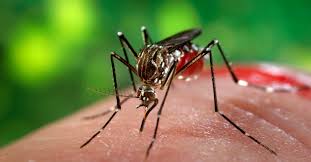
Cuba is currently grappling with an escalating outbreak of chikungunya virus infections, part of a broader wave of mosquito-borne illnesses sweeping the island nation in late 2025. The Ministry of Public Health in Cuba officially declared a complex arboviral outbreak in October 2025, involving not only chikungunya but dengue and other mosquito-transmitted viruses. This resurgence poses significant public health challenges as officials ramp up vector control measures and public awareness campaigns to contain the spread of chikungunya, a viral disease transmitted through Aedes mosquitoes.
Key Developments and Epidemiological Context
Since the detection of chikungunya cases in Cuba earlier this year, confirmed infections have been reported across multiple provinces including Guantanamo, Havana, Matanzas, Pinar del Rio, and Santiago de Cuba. By late October 2025, official reports indicated approximately 4,472 suspected cases with 120 laboratory-confirmed by RT-PCR testing. Fortunately, no deaths have been reported in association with the current outbreak in Cuba, although 39 hospitalizations have been documented in the broader region affected by chikungunya outbreaks.
Chikungunya virus was first identified in Tanzania in 1952, and outbreaks have since occurred periodically in Africa, Asia, Europe, and the Americas. The virus causes an acute febrile illness characterized primarily by sudden-onset high fever and debilitating joint pain, often affecting the wrists, fingers, ankles, and knees. Other symptoms include headache, muscle pain, rash, and conjunctivitis. While most patients recover within a week, joint pain can persist for months or even years, significantly impacting quality of life.
Expert Perspectives on Control and Prevention
Dr. Maria Hernandez, an infectious disease specialist not involved in the Cuban outbreak response, emphasized the importance of integrated vector management to curb transmission. “Controlling mosquito populations through targeted insecticide spraying around reported cases, combined with reducing human-mosquito contact especially in symptomatic individuals, has proven effective in containing chikungunya outbreaks,” she explained. She noted that early detection and surveillance are critical to prevent widespread transmission.
The World Health Organization (WHO) and Centers for Disease Control and Prevention (CDC) recommend symptomatic management as there is currently no antiviral treatment or vaccine for chikungunya. Supportive care includes rest, hydration, and use of acetaminophen for fever and pain relief. NSAIDs and aspirin are discouraged initially to avoid complications especially if dengue coinfection is possible. Prevention relies heavily on personal protection measures, such as using insect repellents containing DEET, wearing long-sleeved clothing, and eliminating mosquito breeding sites.
Implications for Public Health and Daily Life
This outbreak underlines the persistent threat vector-borne diseases pose to tropical and subtropical regions worldwide. For the general public, awareness and proactive mosquito control within households and communities are paramount. Residents in affected areas are advised to remove standing water from containers, maintain window and door screens, and use mosquito nets when appropriate.
Healthcare providers are urged to consider chikungunya in the differential diagnosis of febrile illnesses accompanied by joint pain, especially during outbreaks. Early diagnosis can facilitate symptom management and reduce unnecessary antibiotic use. Public health authorities must sustain intensified surveillance, prompt case reporting, and targeted vector control to mitigate further spread.
Limitations and Conflicting Challenges
While vector control strategies show promise, limitations exist due to mosquito resistance to insecticides and challenges in achieving full community participation. Asymptomatic infections and delays in case detection can undermine containment efforts. Moreover, overlapping symptoms with dengue and other arboviruses complicate diagnosis and epidemiological tracking. Experts caution that without sustained funding and political will, outbreaks may recur or expand beyond current geographic boundaries.
In summary, Cuba’s current chikungunya outbreak highlights the ongoing vulnerability of populations to mosquito-borne diseases and the critical need for coordinated public health responses. The outbreak serves as a reminder of the importance of community engagement and evidence-based vector control in reducing the impact of such infections.
Medical Disclaimer: This article is for informational purposes only and should not be considered medical advice. Always consult with qualified healthcare professionals before making any health-related decisions or changes to your treatment plan. The information presented here is based on current research and expert opinions, which may evolve as new evidence emerges.
References: