 0
0
 0
0
Published: January 17, 2026
KOLKATA — A rapid escalation of Nipah virus (NiV) cases in West Bengal has placed health authorities on high alert this week, as the confirmed case count rose to five within just seven days. The cluster, which includes several frontline healthcare workers, has reignited a critical debate among epidemiologists regarding the dangers of human encroachment into wildlife habitats. Experts warn that as deforestation and intensive farming push human settlements deeper into natural ecosystems, the “spillover” of deadly zoonotic diseases is becoming an avoidable regularity rather than a rare anomaly.
The Outbreak: Frontline Workers Under Siege
The current outbreak, centered in the districts of Purba Medinipur and North 24 Parganas, has taken a particularly heavy toll on medical staff. The initial two patients—a male nurse from Purba Medinipur and a female nurse from Mongolkot—remain in critical condition in the Intensive Care Unit (ICU) after treating patients at a private facility in Barasat.
By Friday, three additional cases were confirmed: a doctor, a nurse, and a health staff member. All three have been transferred to the specialized infectious diseases hospital in Beleghata for isolation and treatment. In a massive containment effort, the West Bengal government has placed approximately 100 individuals under home quarantine, with 30 “high-risk” contacts being monitored around the clock for symptoms of respiratory distress or neurological impairment.
The “Spillover” Effect: Why Habitats Matter
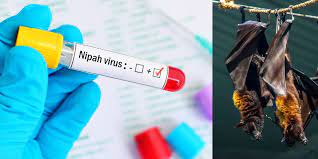
Nipah virus is a zoonotic virus, meaning it is transmitted from animals to humans. Its natural reservoir is the Pteropus bat, commonly known as the flying fox. Under normal circumstances, these bats remain in forest canopies, feeding on wild fruits. However, human intrusion into these domains—primarily through rapid urbanization and agricultural expansion—has disrupted this balance.
“Nipah virus is known to circulate in certain species of bats. Human infection is rare and is the result of an accidental spillover at the human-bat interface,” explains Dr. Rajeev Jayadevan, Convener of the Research Cell, Kerala, and former President of the Indian Medical Association (IMA) Cochin.
When forests are cleared, bats lose their natural food sources and migrate toward human orchards and palm groves. This proximity creates a “viral bridge.” According to experts, the virus typically jumps to humans through:
-
Contaminated Sap: Drinking raw date palm sap (toddy/tadi) that bats have urinated in or licked.
-
Contaminated Fruit: Eating raw fruits that show signs of being partially eaten or “pecked” by bats.
-
Direct Contact: Close contact with infected animals, such as pigs, or their body fluids.
Clinical Challenges and Transmission
One of the most harrowing aspects of Nipah virus is its high fatality rate, which the World Health Organization (WHO) estimates between 40% and 75%. Because there are currently no proven antiviral therapies or human vaccines, containment relies entirely on early detection and supportive care.
“Healthcare systems must stay alert for early warning signs, which unfortunately can resemble other viral infections,” says Dr. Jayadevan. He notes that while early symptoms include fever and headache, the disease can rapidly progress to viral encephalitis (inflammation of the brain) and pneumonia.
“Patients who develop seizures, confusion, or coma in Nipah-prone areas must be evaluated for this infection immediately,” Dr. Jayadevan adds.
While the virus primarily spreads from animals to humans, person-to-person transmission is possible through close contact with an infected person’s saliva or urine. This explains the high infection rate among the healthcare workers in the current Bengal cluster.
Assessing the Pandemic Risk
Despite the terrifying nature of the disease, experts urge the public to remain calm regarding its pandemic potential. Unlike COVID-19, the current strain of Nipah does not typically exhibit the high level of sustained, airborne human-to-human transmission required to cause a global pandemic.
“Theoretically, any zoonotic infections that spread from human to human have the potential of causing an epidemic or pandemic. But, from its first outbreak in Malaysia in 1998 till date, it has not happened,” says Dr. Ishwar Gilada, Secretary General of the People’s Health Organisation (PHO).
The virus is heavy and typically requires close, prolonged contact for transmission. Therefore, standard infection control measures—often referred to as the “SMS” protocol (Sanitizer, Mask, and Social distancing)—are highly effective at breaking the chain of infection.
Prevention: A Call for Coexistence
The recent surge serves as a stark reminder of the “One Health” concept—the idea that human health is inextricably linked to the health of animals and the environment.
Dr. Gilada emphasizes that the best defense is prevention through distance: “Do not intrude on the habitats and domains of animals and birds. Avoid consuming raw fruits that look half-eaten and stay away from raw date-palm toddy.”
Furthermore, experts warn against “retaliatory” actions against bat populations. Dr. Jayadevan stresses that attempting to trap or drive bats away often backfires, as the stress of relocation can actually increase the amount of virus a bat sheds in its waste. “Besides, bats can fly dozens of kilometers each day,” he notes. “Driving them away from one property will not keep them away permanently.”
How to Protect Yourself
To minimize risk during a known outbreak:
-
Boil Date Palm Juice: If you must consume date palm sap, ensure it is thoroughly boiled to kill any pathogens.
-
Inspect Fruit: Do not eat fruits found on the ground or those with bite marks. Peel and wash all fruit thoroughly.
-
Practice Hygiene: Regular handwashing after visiting areas where bats may roost.
-
Avoid Exposure: If someone is suspected of having the virus, maintain distance and use PPE if providing care.
As the West Bengal health department continues its contact tracing, the medical community remains hopeful that swift isolation will prevent further spread. However, the long-term solution may require a deeper look at how we manage our land and respect the boundaries of the natural world.
Medical Disclaimer: This article is for informational purposes only and should not be considered medical advice. Always consult with qualified healthcare professionals before making any health-related decisions or changes to your treatment plan. The information presented here is based on current research and expert opinions, which may evolve as new evidence emerges.
References & Sources
https://ommcomnews.com/india-news/nipah-cases-rise-to-5-in-bengal-experts-warn-against-intruding-animal-habitats/