 0
0
 0
0
Recent Right to Information (RTI) data reveals that nearly 40% of faculty positions across 11 premier All India Institutes of Medical Sciences (AIIMS) remain unfilled, exacerbating challenges in patient care and medical education as of early 2026.
New Delhi-based investigations, reported on January 1, 2026, highlight 1,600 vacant posts out of 4,099 sanctioned ones, affecting both veteran and newer institutes amid surging healthcare needs.
Vacancy Breakdown
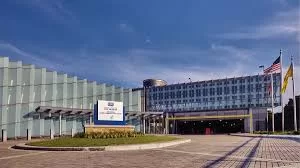
AIIMS Delhi, the flagship institution and national referral center, reports 524 vacancies out of 1,306 approved posts in critical departments like medicine, surgery, anesthesia, pediatrics, neurology, oncology, and emergency care.
Newer AIIMS face steeper shortages: AIIMS Jodhpur has 46.7% vacancies (189 of 405 posts), AIIMS Gorakhpur 45.5%, AIIMS Jammu 44.3%, and over 40% at AIIMS Kalyani and Bilaspur.
AIIMS Nagpur shows 36.7% unfilled (137 of 373), AIIMS Bathinda 37.4%, AIIMS Raipur 34.8%, AIIMS Bhubaneswar 26%, and AIIMS Bhopal 25.6%, underscoring a nationwide pattern.
| AIIMS Institute | Sanctioned Posts | Vacant Posts | Vacancy Rate (%) |
|---|---|---|---|
| Delhi | 1,306 | 524 | 40.1 |
| Jodhpur | 405 | 189 | 46.7 |
| Gorakhpur | Not specified | Not specified | 45.5 |
| Jammu | Not specified | Not specified | 44.3 |
| Kalyani | Not specified | Not specified | >40 |
| Bilaspur | Not specified | Not specified | >40 |
| Nagpur | 373 | 137 | 36.7 |
| Bathinda | Not specified | Not specified | 37.4 |
| Raipur | Not specified | Not specified | 34.8 |
| Bhubaneswar | Not specified | Not specified | 26 |
| Bhopal | Not specified | Not specified | 25.6 |
| Total | 4,099 | 1,600 | ~39 |
Causes of the Shortage
Rapid expansion of AIIMS infrastructure outpaces faculty recruitment, with newer institutes particularly struggling due to remote locations and inadequate human resource planning.
Lower salaries in public sector compared to private hospitals draw experienced doctors away, compounded by heavy workloads, burnout, and limited career incentives.
Parliamentary data from 2025 indicates vacancies hit a four-year high at 40.2% across more institutes, with over 2,500 posts empty, signaling persistent systemic issues.
Impacts on Healthcare and Education
Faculty shortages overburden remaining staff, delaying outpatient services, surgeries, and ICU oversight while compromising training for MBBS and postgraduate students.
Patients face longer waits for specialized care at these high-volume centers, which handle referrals for complex cases, potentially affecting outcomes in oncology, neurology, and emergencies.
Medical education suffers from poor student-faculty ratios—often 1:5 instead of ideal 1:2—limiting hands-on exposure, research output, and skill development for future doctors.
“Prolonged faculty shortages at teaching hospitals affect outpatient services, surgery schedules, ICU supervision and the training of undergraduate and postgraduate doctors,” note health experts.
Former AIIMS Bhopal Executive Director Ajai Singh states, “Practical learning of medical concepts gets affected, which impacts the training of doctors.”
A former AIIMS Delhi Director warns, “AIIMS expansion without parallel faculty development is like building hospitals without doctors. Faculty shortage is the greatest bottleneck.”
Government and Institutional Responses
Recruitment processes are active, with interviews underway at AIIMS Delhi, as confirmed by Rima Dada, Media Cell In-charge: “Interviews are underway, and the process of filling vacant posts is being carried out regularly.”
Health Ministry initiatives include standing selection committees, contractual hires of retired faculty up to age 70, and a visiting faculty scheme for Indian and international experts.
Recent advertisements for faculty posts appear on sites like AIIMS Bilaspur, Jammu, and Jodhpur, signaling ongoing efforts amid rolling recruitments.
Public Health Implications
This crisis threatens India’s goal of universal healthcare access and world-class medical training, as understaffed AIIMS struggle with rising patient loads from millions annually.
For health-conscious consumers, it means potential delays in tertiary care; professionals highlight needs for policy reforms like better pay and incentives to retain talent.
While no direct medical claims arise, the shortage underscores reliance on robust public institutions for equitable care.
Limitations and Counterpoints
Data covers only 11 AIIMS, with broader parliamentary figures showing similar trends across 20+ institutes, though some report lower rates like 25-26%.
Critics argue rapid seat expansion without faculty planning worsens issues, yet government measures aim to address this without sensationalizing shortages.
Ongoing recruitments may reduce vacancies soon, per official statements.
Practical Advice for Stakeholders
Patients should plan for potential delays at AIIMS by using local facilities for routine care and preparing alternatives.
Aspiring doctors must weigh public sector challenges against opportunities.
Policymakers and advocates can push for salary hikes and streamlined hiring to bolster these vital institutions.
Medical Disclaimer: This article is for informational purposes only and should not be considered medical advice. Always consult with qualified healthcare professionals before making any health-related decisions or changes to your treatment plan. The information presented here is based on current research and expert opinions, which may evolve as new evidence emerges.
References
-
“RTI: Four of 10 faculty posts vacant across 11 AIIMS.” Times of India, January 1, 2026. https://timesofindia.indiatimes.com/india/rti-four-of-10-faculty-posts-vacant-across-11-aiims/articleshow/126294251.cmstimesofindia.indiatimes
-
“Around 40 percent faculty posts vacant across 11 AIIMS, reveals RTI.” Medical Dialogues, January 2, 2026. https://medicaldialogues.in/news/health/doctors/around-40-percent-faculty-posts-vacant-across-11-aiims-reveals-rti-161854medicaldialogues