 0
0
 0
0
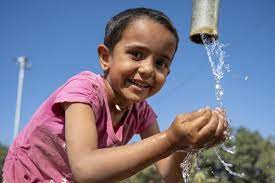
INDORE, MP — In a swift response to a burgeoning public health crisis that has claimed at least 10 lives and sickened hundreds, Madhya Pradesh Chief Minister Mohan Yadav issued show-cause notices on Friday to top Indore civic officials. The administrative crackdown follows a massive outbreak of waterborne illness in the Bhagirathpura area, triggered by contaminated municipal drinking water.
The state government has ordered the immediate transfer of Additional Commissioner Rohit Sisonia and the removal of Pradeep Nigam, the In-charge Superintendent Engineer of the Water Distribution Department. These moves come as the city, long celebrated as India’s cleanest under the Swachh Surakshat rankings, grapples with a breakdown in basic sanitation infrastructure that has left over 200 residents hospitalized.
The Scale of the Outbreak
The crisis, which began roughly nine days ago, has rapidly escalated into a full-scale medical emergency. According to the latest health bulletin issued by the Indore district administration:
-
1,400+ people have reported symptoms of vomiting and diarrhea.
-
208 patients remain hospitalized across 27 different facilities.
-
27 individuals are currently in Intensive Care Units (ICUs) battling severe dehydration and complications.
While the State Health Department has officially verified four deaths linked directly to the diarrhea outbreak, Indore Mayor Pushyamitra Bhargav provided a more sobering figure on Friday, stating his office has received information confirming 10 fatalities.
Administrative Fallout and Political Pressure
The “Indore Model” of cleanliness has faced unprecedented scrutiny following the tragedy. Chief Minister Mohan Yadav convened a high-level meeting in Bhopal to review the findings of a report presented by the Additional Chief Secretary of the State Urban Development Department.
“I reviewed action being taken… with the Chief Secretary and issued necessary directions,” the Chief Minister stated via social media. Beyond the removals, the state has directed the Indore Municipal Corporation (IMC) to immediately fill critical vacancies in the health and sanitation departments to prevent further lapses.
The tragedy has sparked rare cross-party condemnation. Veteran BJP leader and former Chief Minister Uma Bharti expressed “shame and disgrace,” noting the irony of such an event occurring in a city renowned for its cleanliness. “Indore has received awards for being the cleanest city… such ugliness, filth, and poisonous water has swallowed so many lives,” Bharti posted on X (formerly Twitter).
The Medical Reality: Understanding the Risks
Waterborne outbreaks of this scale are typically caused by cross-contamination between sewage lines and aging or damaged potable water pipes. When pathogens like Vibrio cholerae or various strains of E. coli enter the drinking supply, they cause rapid-onset gastrointestinal distress.
“In densely populated areas like Bhagirathpura, a single breach in the pipeline can lead to an exponential spike in cases within hours,” says Dr. Arpit Srivastava, an independent public health consultant (not involved in the current IMC investigation). “The primary danger is not just the infection itself, but the resulting hypovolemic shock caused by rapid fluid loss. This is particularly life-threatening for children and the elderly.”
Signs of Severe Dehydration to Watch For:
-
Extreme thirst and dry mouth.
-
Sunken eyes and cheeks.
-
Decreased urination or dark-colored urine.
-
Lethargy or confusion.
-
Loss of skin elasticity (skin stays “tented” when pinched).
Public Health Implications and Recommendations
The Bhagirathpura crisis highlights a critical vulnerability in urban planning: the “last mile” of water delivery. While a city may appear clean on the surface, the integrity of underground infrastructure is what determines public health outcomes.
For residents in affected and neighboring areas, health authorities recommend the following immediate precautions:
-
Boil All Water: Ensure drinking water reaches a rolling boil for at least one minute to kill pathogens.
-
Chlorination: Use chlorine tablets or liquid bleach (specifically for water purification) as directed by local health workers.
-
Sanitation: Maintain rigorous hand-washing protocols, especially before handling food.
-
Oral Rehydration: At the first sign of diarrhea, use Oral Rehydration Salts (ORS) to maintain electrolyte balance.
Limitations and Moving Forward
The exact source of the contamination—whether a pipe burst, a backflow incident, or a failure at a treatment plant—remains under technical investigation. There is also a noted discrepancy between state and local death tolls, which underscores the need for a more streamlined medical reporting system during outbreaks.
As the state government moves to fill administrative vacancies, the focus shifts to long-term infrastructure audits. The tragedy serves as a grim reminder that “cleanliness” is more than just trash-free streets; it is the invisible safety of the water flowing from the tap.
Reference Section
- https://ommcomnews.com/india-news/mp-cm-issues-show-cause-notices-to-top-indore-civic-body-officials-additional-commissioner-transferred/
Medical Disclaimer: This article is for informational purposes only and should not be considered medical advice. Always consult with qualified healthcare professionals before making any health-related decisions or changes to your treatment plan. The information presented here is based on current research and expert opinions, which may evolve as new evidence emerges.