 0
0
 0
0
CHHAINSA, HARYANA — A cluster of sudden deaths linked to acute liver failure has sent shockwaves through Chhainsa village, located 30 kilometers from Palwal district headquarters. Between January 31 and February 11, 2026, seven residents—including four children—succumbed to liver-related illnesses, prompting Haryana health officials to launch an emergency investigation into potential viral hepatitis outbreaks and contaminated water supplies.
While official records confirm seven fatalities, local anxieties remain high, with some villagers alleging the true death toll could be as high as 15 to 20. In response, Haryana Health Minister Arti Singh Rao has ordered round-the-clock monitoring and a mass screening program for the village’s 5,700 residents to contain what appears to be a burgeoning public health crisis.
The Human Toll: Profiles of a Developing Crisis
The victims represent a tragic cross-section of the community. Among the deceased are two boys (aged 9 and 14), two girls (aged 9 and 15), a 22-year-old man, a 42-year-old man, and a 67-year-old woman. Most presented with a rapid onset of symptoms including high fever, persistent vomiting, extreme physical weakness, and acute abdominal pain—classic precursors to fulminant liver failure.
Investigation into the clinical causes has yielded a complex picture:
-
Hepatitis B (HBV): Four of the seven confirmed deaths were linked to Hepatitis B, a serious viral infection that attacks the liver.
-
Other Liver Infections: The remaining three cases showed evidence of liver distress possibly stemming from water-borne pathogens or severe food poisoning.
-
External Factors: One victim, a truck driver, reportedly fell ill while working outside the state, only returning to the village shortly before his death.
“There is an atmosphere of fear,” says Mohd Imran, a local resident. “We see dirty water in our taps that is unfit for consumption. People are desperate and often turn to local ‘quacks’ (unlicensed practitioners) who may be using unsafe medical practices.”
Investigating the Source: Blood, Water, and “Quacks”
The Palwal Health Department has moved swiftly to identify the transmission vector. As of February 15, health teams had collected nearly 1,400 blood samples. Preliminary results have already identified 20 positive cases of Hepatitis C, further complicating the village’s health profile.
Simultaneously, water quality has come under intense scrutiny. Testing of household storage tanks revealed that six samples failed basic safety and bacteriological standards.
“Extensive screening and testing are underway,” stated Chief Medical Officer (CMO) Dr. Satinder Vashisth. “While the situation is currently under control and no new deaths have been reported since February 11, we are leaving no stone unturned.”
The “Quack” Connection
A significant concern for investigators is the role of unlicensed medical practitioners. In rural India, these individuals often provide the first line of care but may lack training in sterile techniques. Experts warn that the reuse of syringes or needles is a primary driver for the “horizontal” transmission of blood-borne viruses like Hepatitis B and C.
Understanding the Enemy: Hepatitis B vs. C
To the general public, “Hepatitis” is often lumped into a single category of “jaundice,” but the viruses involved have distinct transmission routes and risks.
| Feature | Hepatitis B (HBV) | Hepatitis C (HCV) |
| Transmission | Blood, semen, vaginal fluids (Sores, needles, birth) | Blood-to-blood contact (Needles, unscreened blood) |
| Water-borne? | No. Cannot be spread through water or food. | No. Spread through infected blood. |
| Prevention | Highly effective vaccine (3 doses). | No vaccine available; prevention via safety. |
| Chronic Risk | High risk of cirrhosis/cancer if untreated. | High risk of chronic infection. |
The Water Paradox: While Hepatitis B is not a water-borne disease (unlike Hepatitis A or E), experts suggest that contaminated water can act as a “co-factor.” Bacterial infections from poor water quality can severely strain an already compromised immune system or a liver already battling a viral load, accelerating the path to organ failure.
Haryana’s Growing Hepatitis Burden
The Chhainsa outbreak highlights a simmering public health issue in the state. Recent data indicates that Haryana’s Hepatitis B prevalence stands at 5.28%, notably higher than the national average of approximately 4%.
Rural, low-income areas are particularly vulnerable, accounting for nearly 70% of the state’s cases. Districts such as Kaithal and Jind have previously been identified as hotspots. Socio-economic factors, including the high concentration of farming and trucking communities—groups often underserved by consistent healthcare—contribute to these elevated rates.
“Hepatitis B thrives in unvaccinated rural pockets,” notes a senior gastroenterologist from PGIMS-Rohtak, who requested anonymity as they are not authorized to speak on the Chhainsa probe. “Safe injection practices and rigorous water surveillance are critical to preventing these clusters.”
Public Health Response and Practical Advice
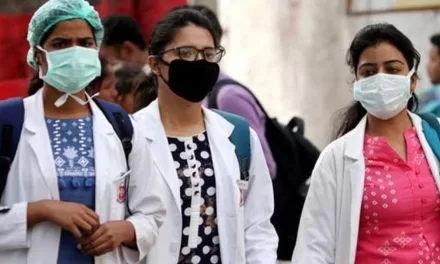
The government has established an on-site Outpatient Department (OPD) in Chhainsa to provide immediate care and referrals to larger facilities like Nalhar Medical College.
For residents and those in surrounding areas, health authorities recommend the following preventative measures:
-
Vaccination: The Hepatitis B vaccine is 95% effective. Ensure children receive the full three-dose course under the National Viral Hepatitis Control Programme.
-
Water Safety: Even if water isn’t the direct cause of HBV, boiling or filtering water prevents Hepatitis A, E, and bacterial infections that tax the liver.
-
Avoid Shared Items: Never share razors, toothbrushes, or needles.
-
Seek Licensed Care: Avoid “street doctors” or unlicensed clinics. Ensure all medical injections use new, disposable syringes.
-
Monitor Symptoms: Seek immediate medical attention if you notice yellowing of the eyes/skin (jaundice), dark urine, or extreme fatigue.
The Road Ahead: Transparency and Infrastructure
There remains a disconnect between the official death toll and the numbers reported by grieving families. While the Health Department maintains that seven deaths are confirmed, the discrepancy underscores the need for transparent, community-led reporting and better rural diagnostic infrastructure.
The incident in Chhainsa serves as a grim reminder that viral hepatitis remains a “silent killer” in India. Until vaccination gaps are closed and the “quack” culture is replaced by accessible, professional healthcare, rural villages remain at the mercy of preventable outbreaks.
Medical Disclaimer: This article is for informational purposes only and should not be considered medical advice. Always consult with qualified healthcare professionals before making any health-related decisions or changes to your treatment plan. The information presented here is based on current research and expert opinions, which may evolve as new evidence emerges.
References
-
Tribune India. (2026, February 15). Panicked locals claim higher toll after 7 die of liver disease at Haryana village. Link