 0
0
 0
0
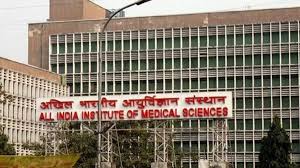
NEW DELHI — The All India Institutes of Medical Sciences (AIIMS) have long been the crown jewels of Indian healthcare, representing the pinnacle of medical education and specialized patient care. However, new government data reveals a widening crack in the foundation of these prestigious institutions: a chronic staffing shortage that leaves nearly one-third of sanctioned faculty positions unfilled.
In a series of written replies to the Lok Sabha and Rajya Sabha in February 2026, the Union Health Ministry confirmed that across 20 functional AIIMS institutions, 2,356 faculty posts and 17,205 non-faculty posts are currently vacant. With 6,297 faculty positions sanctioned in total, the vacancy rate has climbed to approximately 37%, raising urgent questions about the sustainability of India’s premier medical network.
A Structural Gap in “Institutes of National Importance”
The shortage is not confined to newer campuses in remote regions. Even AIIMS New Delhi, the flagship institution, reports a staggering shortfall of roughly 446 faculty posts—nearly 35% of its sanctioned strength. Combined with over 2,500 vacant non-faculty roles (including nurses and technicians), the total number of empty desks at the Delhi campus alone nears 3,000.
The situation is equally dire in newer “Phase II” and “Phase III” institutions. For instance, AIIMS Rishikesh currently operates with over 1,200 total vacancies, including 120 faculty positions. Data from 2025–26 suggests that across 21 AIIMS (including those recently made operational), the faculty vacancy rate hit a four-year high of 40.2%.
“These numbers reflect a systemic human-resource crisis, not just a temporary recruitment lag,” says a New Delhi-based health-systems researcher. “When a third to two-fifths of faculty posts remain empty for years, it signals deeper issues with retention and the perceived attractiveness of public-sector academic medicine.”
Why Are the Posts Unfilled?
The Union Health Ministry maintains that recruitment is a “continuous process,” citing several hurdles in filling these high-level positions:
-
Stringent Eligibility: The high standards required for faculty at “Institutes of National Importance” (INIs) mean the pool of qualified candidates is small.
-
Procedural Delays: Complex recruitment cycles and the management of reservation rosters can extend the time a post remains open.
-
Private Sector Competition: Many senior specialists are lured away by private hospitals offering significantly higher compensation, better work-life balance, and more robust administrative support.
-
Location Challenges: Newer AIIMS campuses in Tier-II or Tier-III cities often struggle to attract top-tier talent due to perceived limitations in research infrastructure or local amenities for families.
The Ripple Effect: Education and Patient Care
The dual mandate of AIIMS—to provide world-class clinical care and to train the next generation of doctors—means these shortages have a compounding effect.
1. Impact on Medical Education
In medical training, experiential learning is paramount. “If faculty numbers are stretched, students may get fewer supervised opportunities in the operating theater or at the bedside,” explains a senior medical educator from a government college in North India. A thinner faculty roster often leads to larger class sizes and diminished one-on-one mentorship for MBBS and postgraduate students, potentially affecting the confidence of future specialists.
2. Strain on Patient Services
For the millions of patients who travel across states to reach an AIIMS, vacancies translate into tangible delays. High-demand specialties like oncology, cardiology, and neurosurgery often see the longest waiting lists for elective surgeries and outpatient consultations. While existing staff often work double shifts to compensate, experts warn that relying on overstretched teams is a recipe for physician burnout and medical errors.
Government Intervention and Stop-Gap Measures
Recognizing the gravity of the situation, the government and the National Medical Commission (NMC) have introduced several measures to bridge the gap:
-
Retirement Extensions: The government now allows the appointment of retired faculty from other prestigious institutes on a contractual basis, in some cases up to the age of 70.
-
Visiting Faculty Schemes: Senior experts from both Indian and foreign institutions are being invited to teach and provide clinical services at newer campuses.
-
Fast-Track Recruitment: Standing selection committees have been tasked with accelerating the hiring process.
-
Legal Directives: Following a Patna High Court directive, the NMC has set a six-month timeline for medical colleges to fill vacant teaching posts.
The Path Forward
Health policy commentators argue that while “bricks and mortar” (building new campuses) are important for expanding healthcare access, the “brains and heart” (faculty and staff) are what define an institution’s quality.
To stem the exodus of specialists to the private sector or overseas, experts suggest the focus must shift toward improving academic freedom, research funding, and clear career progression within the AIIMS ecosystem. Without addressing these underlying factors, the ambition of providing “AIIMS-level care” across every state may remain a promise on paper rather than a reality for the patient in the queue.
For the general public, the current data serves as a reminder: the strength of a healthcare system is only as robust as the workforce that powers it.
Medical Disclaimer: This article is for informational purposes only and should not be considered medical advice. Always consult with qualified healthcare professionals before making any health-related decisions or changes to your treatment plan. The information presented here is based on current research and expert opinions, which may evolve as new evidence emerges.
References
-
-
Government Data/Parliamentary Proceedings: Union Health Ministry, written replies to Lok Sabha and Rajya Sabha, February 19–20, 2026.
-
Medical Dialogues: “2356 Faculty Vacancies Across 20 AIIMS lying vacant: Reveals Government data.” Published March 17, 2026.
-