 0
0
 0
0
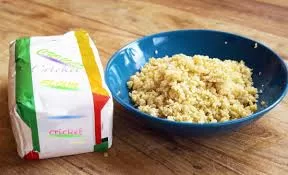
A new culinary contender has entered the global quest for sustainable protein – and it chirps. Cricket flour, derived from milling crickets, is gaining traction for its exceptional nutritional value, surpassing traditional sources like meat and eggs in both protein content and ecological benefits.
A Nutritional Giant
Researchers at the National University of La Plata (UNLP) and Argentina’s CONICET, led by Dr. Carlos Gabriel Arp, have spotlighted cricket flour for its impressive 60% protein content by weight—outperforming chicken breast and egg white. Two tablespoons supply more iron than a cup of spinach and almost half of the recommended daily zinc intake. Unlike many plant-based powders, cricket flour is a complete protein, offering all nine essential amino acids.
Cricket flour is also rich in lysine—often lacking in wheat—bringing it on par with beef steak. Other essential amino acids such as leucine and sulfur-containing variants also match or exceed those found in dairy. Digestibility clocks in at 67%, higher than many legumes, making it suitable for everything from sports supplements to hospital diets.
Environmental and Culinary Advantages
Beyond nutrition, cricket farming has an environmental edge. Producing cricket protein takes only one-sixth the resources compared to beef cattle, with a dramatically lower carbon footprint. Cricket protein requires less than 1,000 gallons of water per pound—compared to the 13,000 gallons needed for the same amount of beef protein. Crickets efficiently convert food scraps into lean protein and their by-products, known as frass, double as a rich fertilizer, creating a sustainable, circular food system.
Bakers and food producers are already incorporating cricket flour in bread, pasta, and snack bars. In tests, replacing just a seventh of wheat flour with cricket flour results in no loss of texture or flavor, while boosting protein by up to 80%. The powder’s neutral taste and solubility allow it to blend into various foods, from cereal bars to high-protein shakes, with ease.
Overcoming Cultural Barriers
While Western consumers may initially shy away from insect-derived foods, experts suggest acceptance grows once the flour is incorporated into familiar recipes. Clear labeling and chef-driven innovation are key to driving mainstream adoption.
With regulators in the European Union approving cricket species for food use and costs dropping below those of whey isolate, cricket flour is poised to become a staple ingredient in the future of sustainable nutrition.
The study is published in the International Journal of Food Science and Technology.
Disclaimer
This article is for informational purposes only and does not constitute medical advice. Individuals should consult a qualified health professional before making significant changes to their diet or protein sources.