 0
0
 0
0
December 5, 2025
NEW DELHI — The next global health emergency may not arrive with the cinematic suddenness of a novel virus like COVID-19. Instead, it is likely already here, unfolding as a “creeping catastrophe” of existing diseases surging into new territories.
A major new international study involving over 3,700 health professionals from 151 countries has identified mosquito-borne diseases—specifically malaria and dengue—as the most rapidly escalating infectious threats to humanity. Published this week in the journal Scientific Reports, the research warns that climate change, combined with socioeconomic inequality and antimicrobial resistance, is fueling a slow-moving but deadly health crisis that risks overwhelming fragile health systems worldwide.
The “Quiet” Emergency
The study, led by the University of Oxford’s Global Health Network, offers a rare bottom-up view of global health security. Unlike traditional models that rely heavily on computer simulations, this research aggregates the on-the-ground experiences of thousands of frontline health workers and researchers, nearly 90% of whom are based in low- and middle-income countries (LMICs).
Their consensus is stark: the threat of endemic diseases is outpacing the fear of unknown “Disease X.”
“Our research clearly demonstrates that the next major health emergency may not be a sudden new outbreak, but the steady worsening of the quiet diseases that shorten lives every day,” said Professor Trudie Lang, the study’s senior author and director of The Global Health Network at Oxford’s Nuffield Department of Medicine.
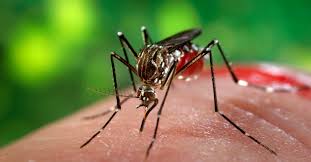
While global attention often fixates on the possibility of a new respiratory pathogen, the survey data reveals that experts in Africa, Asia, and Latin America are witnessing a different reality. They report that rising temperatures and shifting rainfall patterns are creating ideal breeding conditions for vectors like mosquitoes in regions previously considered safe.
Key Findings: The Triad of Drivers
The study identifies a “deadly triad” driving this escalation:
-
Climate Change: Cited as the primary driver for the spread of vector-borne diseases. Warmer global temperatures are expanding the geographical range of mosquitoes, allowing malaria and dengue to encroach into higher altitudes and formerly temperate zones.
-
Socioeconomic Inequality: Poverty remains a critical multiplier, limiting access to healthcare, sanitation, and protective infrastructure like window screens or air conditioning.
-
Antimicrobial Resistance (AMR): The study highlights a growing consensus that standard treatments for infections are failing, complicating the management of diseases like tuberculosis, which ranked just behind mosquito-borne illnesses as a top priority threat.
“Climate change is driving the spread of infectious diseases, and it’s hitting hardest in communities least able to adapt,” said Dr. Josie Golding, Head of Epidemics and Epidemiology at Wellcome Trust, which commissioned the research. “Rising temperatures, floods, and droughts create ideal conditions for mosquitoes, ticks, and harmful bacteria to thrive.”
Voices from the Frontlines
The study’s unique methodology focused on amplifying voices often missing from high-level policy discussions. By surveying professionals in the Global South—where disease burdens are highest—the researchers captured a picture of health systems already under siege.
For instance, while tuberculosis remains a persistent global killer, the survey participants emphasized that the rate of change for vector-borne diseases is what makes them particularly alarming. In regions like South America and South Asia, dengue outbreaks have become more frequent and severe, straining hospital capacity and economic stability.
Peter Sands, Executive Director of the Global Fund to Fight AIDS, Tuberculosis and Malaria, who was not involved in this specific study, has previously echoed these concerns, noting that climate change is becoming a decisive factor in the fight against infectious disease.
“We must not let climate change derail the fight against malaria,” Sands noted in a recent commentary on the intersection of climate and health. “The impact is now increasingly alarming… expanding the range of malaria-bearing mosquitoes and leading to surges in the global number of infections.”
Implications for Public Health
The findings challenge the current global approach to pandemic preparedness, which heavily favors surveillance for novel pathogens. The authors argue that preparedness must be “reoriented” to strengthen resilience against endemic diseases that are already escalating.
For the general public, the implications are practical and immediate. As mosquito ranges expand, populations in areas like Southern Europe and parts of North America may need to adopt preventative behaviors long standard in the tropics, such as eliminating standing water and using insect repellent.
Furthermore, the “creeping” nature of this crisis means that health systems need sustained investment rather than emergency cash injections. “We need urgent global climate action, paired with investment in innovative solutions to prevent and treat infectious diseases,” Dr. Golding added. “Acting on both fronts is essential.”
Limitations
While the study provides a comprehensive qualitative assessment of expert opinion, it relies on perceptions and survey data rather than biological sampling or case counting. Critics might argue that expert perception can sometimes lag behind or overestimate specific trends compared to hard epidemiological data. However, the authors contend that frontline workers often detect shifts in disease patterns long before they are captured in official national statistics.
Conclusion
The Oxford study serves as a wake-up call that the face of the next pandemic may be familiar. It suggests that without addressing the root causes—carbon emissions and inequality—humanity risks sleepwalking into a humanitarian disaster caused not by a new virus, but by ancient enemies empowered by a changing world.
Medical Disclaimer: This article is for informational purposes only and should not be considered medical advice. Always consult with qualified healthcare professionals before making any health-related decisions or changes to your treatment plan. The information presented here is based on current research and expert opinions, which may evolve as new evidence emerges.
References
-
Primary Study: Walker, R.J., Kingpriest, P.T., Gong, J. et al. “Global perspectives on infectious diseases at risk of escalation and their drivers.” Scientific Reports (2025). [Nature Portfolio]
-