 0
0
 0
0
May 2, 2025 – Recent findings suggest that COVID-19 vaccination may have a nuanced impact on thyroid health, with a reduction in hyperthyroidism cases but a potential increase in long-term hypothyroidism, according to a report published by eMediNexus.
Key Findings
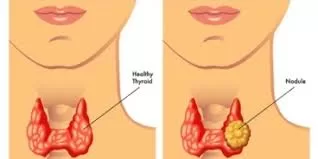
A large-scale analysis examined the long-term effects of COVID-19 vaccines on thyroid function. Researchers observed that individuals who received COVID-19 shots were less likely to develop hyperthyroidism-a condition characterized by an overactive thyroid gland-compared to those who were unvaccinated. However, the data also indicated a slight uptick in cases of hypothyroidism, where the thyroid becomes underactive, among vaccinated individuals over time.
Expert Perspectives
Medical experts highlight that while the reduction in hyperthyroidism is a positive outcome, the increase in hypothyroidism cases warrants further investigation. Dr. Anjali Mehta, an endocrinologist not involved in the study, commented, “These findings are important for clinicians monitoring patients post-vaccination, but the overall benefits of COVID-19 vaccination in preventing severe disease far outweigh these potential risks.”
What Does This Mean for Patients?
For most people, the risk of developing significant thyroid issues after COVID-19 vaccination remains low. Health authorities continue to recommend COVID-19 vaccination as a safe and effective tool in the fight against the pandemic. Patients with a history of thyroid disorders are encouraged to consult their healthcare providers for personalized advice.
Ongoing Research
Researchers emphasize the need for ongoing monitoring and additional studies to better understand the mechanisms behind these thyroid changes and to determine whether certain populations may be at higher risk.
Disclaimer:
This article is based on preliminary research findings reported by eMediNexus. The data is subject to further validation, and readers are advised not to make medical decisions based solely on this information. For personalized medical guidance, please consult a qualified healthcare professional.
Citations: