 0
0
 0
0
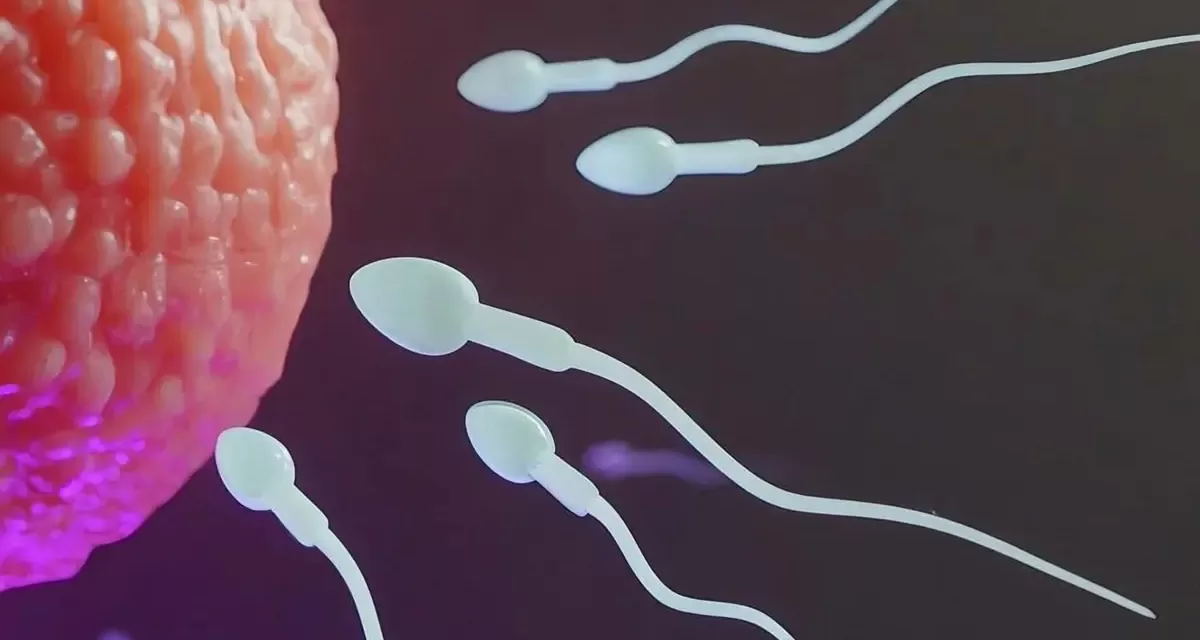
A recent groundbreaking study from Australia’s Florey Institute of Neuroscience and Mental Health reveals that SARS-CoV-2 infection in male mice before conception can alter sperm in ways that affect offspring brain development and behavior, raising anxiety risks in the next generation. Published in the peer-reviewed journal Nature Communications, this research suggests potential long-term effects of COVID-19 that may extend beyond the initially infected individual to their descendants.
Key Findings and Study Design
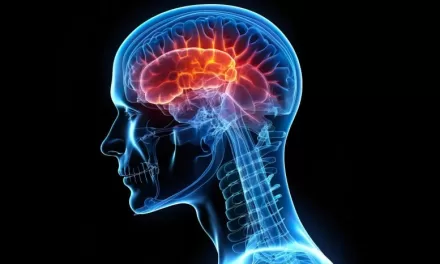
The study involved infecting adult male mice with SARS-CoV-2, allowing them to recover for several weeks until they were no longer infectious, and then mating them with healthy female mice. Researchers observed that offspring conceived after paternal infection exhibited significantly higher levels of anxiety-like behaviors compared to offspring of uninfected fathers. The behavioral changes were evident in all offspring of infected males, with female mice showing notably altered gene activity in the hippocampus region—a critical brain area that regulates emotions, anxiety, and mood (Nature Communications, 2025; Hannan et al.).
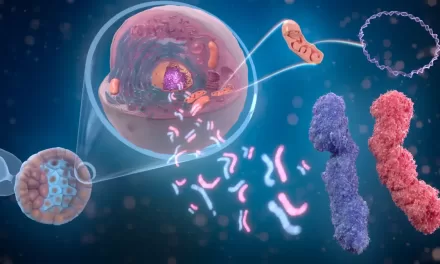
At the molecular level, the virus triggered changes in RNA molecules within sperm, particularly non-coding RNAs that have crucial regulatory roles in gene expression during development. These sperm RNA alterations likely transmitted instructions that influence brain development patterns in offspring, suggesting an epigenetic mechanism whereby paternal infection impacts the neurological outcomes of the next generation.
Expert Commentary
Professor Anthony Hannan, lead researcher at the Florey Institute, explained, “We know that environmental and lifestyle factors, like diet, can change sperm content and affect offspring brain and behavior. Our study is the first to show that SARS-CoV-2 infection before conception alters sperm RNA and consequently increases anxiety-like behaviors in offspring.” Co-senior author Dr. Carolina Gubert emphasized the significance of changes in the hippocampus gene activity in female offspring, linking epigenetic inheritance to altered brain development and resilience to anxiety disorders.
Context and Broader Implications
Previous research indicated that paternal factors such as stress, diet, and exposure to toxins can have transgenerational effects via epigenetic modifications in sperm. This new evidence extends the paradigm to viral infection, raising important questions about how COVID-19 might leave lasting biological legacies. While the findings were demonstrated in a controlled mouse model, researchers caution that confirmation in humans is necessary before drawing definitive conclusions.
Potential public health implications include considerations for reproductive planning and mental health monitoring in families where fathers have had COVID-19. Since anxiety disorders are prevalent and burdensome public health problems, understanding factors that predispose offspring to such conditions is critical. These findings could open avenues for early interventions to mitigate intergenerational mental health risks linked to viral infections.
Limitations and Counterarguments
It is important to note that the study was conducted in mice, which, while valuable for understanding biological mechanisms, do not perfectly replicate human physiology. The exact applicability to humans is unknown, and other factors such as maternal health and environment also strongly influence offspring development. Additionally, the study observed behavioral tendencies, not clinical anxiety disorders, and whether similar paternal transmission occurs in humans remains to be studied. Experts urge caution against alarmism until further human research corroborates these findings.
Practical Advice for Readers
For prospective fathers recovering from COVID-19, these findings underscore the importance of maintaining overall health, seeking medical advice regarding reproductive health, and supporting mental wellness in their families. Although the study highlights potential risks, it is not a cause for undue fear but rather a call for more research and awareness.
Medical Disclaimer: This article is for informational purposes only and should not be considered medical advice. Always consult with qualified healthcare professionals before making any health-related decisions or changes to your treatment plan. The information presented here is based on current research and expert opinions, which may evolve as new evidence emerges.