 0
0
 0
0
May 15, 2025
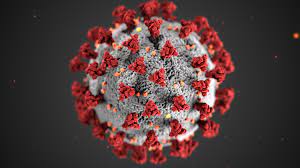
Five years after the world was gripped by the COVID-19 pandemic, the virus that upended daily life remains a part of our reality. While the days of lockdowns and long testing queues are behind us, SARS-CoV-2 continues to circulate, with new data shedding light on how the disease is manifesting in 2025.
Mild Illness for Most, Risks Remain for Vulnerable Groups
Most people who contract COVID-19 today experience only mild symptoms. However, certain groups remain at higher risk for severe illness and hospitalization. These include older adults, immunocompromised individuals (such as those with cancer), people with chronic health conditions like diabetes, and those facing social disadvantages, such as homelessness. In the United Kingdom, people in the most deprived areas are twice as likely to be hospitalized from infectious diseases compared to those in the least deprived areas.
Case Numbers and Hospitalizations: The Real Picture
In Australia, 58,000 COVID-19 cases have been officially reported so far in 2025. However, with reduced testing rates and underreporting, the actual number of cases is likely much higher. Data from FluCan, a network of 14 hospitals, recorded 781 hospitalizations due to COVID complications in the first three months of the year. Deaths are lower than in previous years, but 289 people still died from COVID-related respiratory infections in just the first two months of 2025.
Current COVID-19 Symptoms
The most common symptoms remain consistent with earlier waves: fever, cough, sore throat, runny nose, and shortness of breath. Anosmia, or loss of smell, was a hallmark of earlier variants but became less common with Omicron. However, recent studies suggest that some newer variants, such as JN.1, may still cause this symptom. There are no significant differences in other symptoms between older and newer variants.
Testing: Still Important
Experts recommend testing if you develop COVID-like symptoms or have been exposed to someone with the virus, especially if you are at high risk for severe disease. PCR tests and rapid antigen tests (RATs) remain available in Australia. However, a negative RAT does not always rule out infection, particularly if you are symptomatic. If you test positive, isolation is no longer mandatory, but staying home and minimizing contact with others-especially those at higher risk-is advised.
How Long Does COVID-19 Last Now?
For most people with mild to moderate illness, COVID-19 lasts 7–10 days. The infectious period typically starts about 48 hours before symptoms appear and can extend up to ten days after. Symptoms may persist longer in severe cases. Encouragingly, studies show that persistent symptoms are less common with subsequent infections, and vaccinated individuals tend to recover faster.
Vaccination: The Best Defense
Vaccination remains the most effective way to prevent COVID-19 and its complications. Recent data from Europe suggests vaccines are 66% effective at preventing symptomatic infections. In Australia, most adults have received at least one dose, and booster shots are recommended-especially for older adults and those with weakened immune systems. Regular boosters are advised every 12 months for adults over 18, with more frequent doses for those over 75 or with higher risk factors.
A comprehensive review of over 4,300 studies found that full vaccination before infection reduces the risk of long COVID by 27%. Ongoing vaccination, combined with natural immunity from prior infections, may help prevent future large-scale outbreaks.
Disclaimer:
This article is based on information from The Independent and expert commentary as of May 2025. COVID-19 is a rapidly evolving situation, and recommendations may change as new data emerges. For the latest guidance, consult your local health authority or a medical professional.
Citations: