 0
0
 0
0
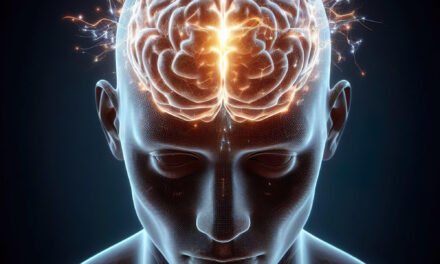
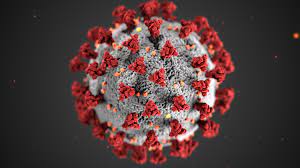
A new observational study published in Obstetrics & Gynecology reveals that children born to mothers who contracted COVID-19 during pregnancy may have a higher likelihood of being diagnosed with autism and other neurodevelopmental disorders by the age of three. Conducted by researchers at Massachusetts General Hospital and Brigham, the study analyzed over 18,000 births from March 2020 to May 2021 and found a 29% increased risk of neurodevelopmental diagnoses, particularly among boys and when exposure occurred in the third trimester.
Key Findings and Study Details
Researchers examined medical records of 18,124 live births in the Mass General Brigham health system. Among 861 pregnancies complicated by COVID-19, 16.3% of children were diagnosed with a neurodevelopmental condition by age three, compared to 9.7% in children from uninfected pregnancies. The risk increase was especially marked in male offspring and when infection occurred late in pregnancy. Common diagnoses included autism, speech delays, and motor skill disorders. After adjusting for factors like maternal age, race, insurance status, and preterm birth, COVID-19 infection during pregnancy remained linked with a 29% higher chance of neurodevelopmental disorders in children.
Expert Commentary
Dr. Andrea Edlow, senior author and maternal-fetal medicine specialist at Massachusetts General Hospital, emphasized that while the study indicates increased risk, the absolute likelihood of autism remains relatively low. “These findings highlight that COVID-19, like many other infections in pregnancy, may pose risks not only to the mother but also to fetal brain development,” she said. She also stressed the importance of infection prevention measures for pregnant individuals, including vaccination, especially given the observed vulnerability during the third trimester.
Independent experts not involved in the research corroborate the potential mechanism linking maternal infections to neurodevelopmental risks. Dr. Sylvia Johnson, a pediatric neurologist unaffiliated with the study, explained, “Maternal immune activation during infections can affect critical phases of fetal brain development, potentially increasing risks for autism spectrum disorders and other delays. However, genetic and environmental factors also play important roles.” This nuanced view urges caution in interpreting findings as causal.
Context and Background
The concept that viral infections during pregnancy can disrupt neurodevelopment is not new. Prior studies have linked infections like rubella and influenza to increased autism and other neurodevelopmental disorder risks in offspring. The maternal immune system’s response to infection may trigger inflammatory processes affecting fetal brain development, particularly during sensitive windows like the third trimester. Studies during previous pandemics and environmental stressors support these associations but also stress variability across populations and outcomes.
Public Health Implications
This study reinforces recommendations for pregnant individuals to receive COVID-19 vaccinations and take precautions to avoid infection. Given the possible increased risk of neurodevelopmental conditions following prenatal COVID-19 exposure, healthcare providers should closely monitor infants born to mothers who contracted COVID during pregnancy for early intervention opportunities. Early diagnosis and therapies significantly improve outcomes for children with autism and related developmental disorders.
Limitations and Conflicting Perspectives
While this large, rigorous observational study establishes an association, it does not prove COVID-19 infection causes autism or neurodevelopmental delays. Residual confounding factors cannot be ruled out. Some recent research from NewYork-Presbyterian and Columbia University found that children born during the pandemic, including those exposed to COVID-19 in utero, were not more likely to screen positive for autism, suggesting potential influences of pandemic-related stress rather than direct viral effects.
Also, the study’s timeframe mainly involved unvaccinated pregnancies early in the pandemic, and findings might differ as vaccination rates and variants change. Further long-term, multi-center studies are needed to confirm these results and understand underlying mechanisms. It remains essential to communicate findings responsibly to avoid undue alarm among pregnant individuals.
What This Means for Daily Health Decisions
Pregnant individuals should prioritize vaccination and follow public health guidelines to minimize COVID-19 exposure. Consultation with healthcare providers about risks and vaccination benefits is critical. Awareness of developmental milestones in children and timely pediatric assessments can help identify any delays for early support.
Medical Disclaimer: This article is for informational purposes only and should not be considered medical advice. Always consult with qualified healthcare professionals before making any health-related decisions or changes to your treatment plan. The information presented here is based on current research and expert opinions, which may evolve as new evidence emerges.
- https://www.independent.co.uk/bulletin/news/covid-pregnancy-children-autism-delays-b2856489.html
- https://www.scientificamerican.com/article/covid-during-pregnancy-may-raise-autism-risk-study-suggests/