 0
0
 0
0
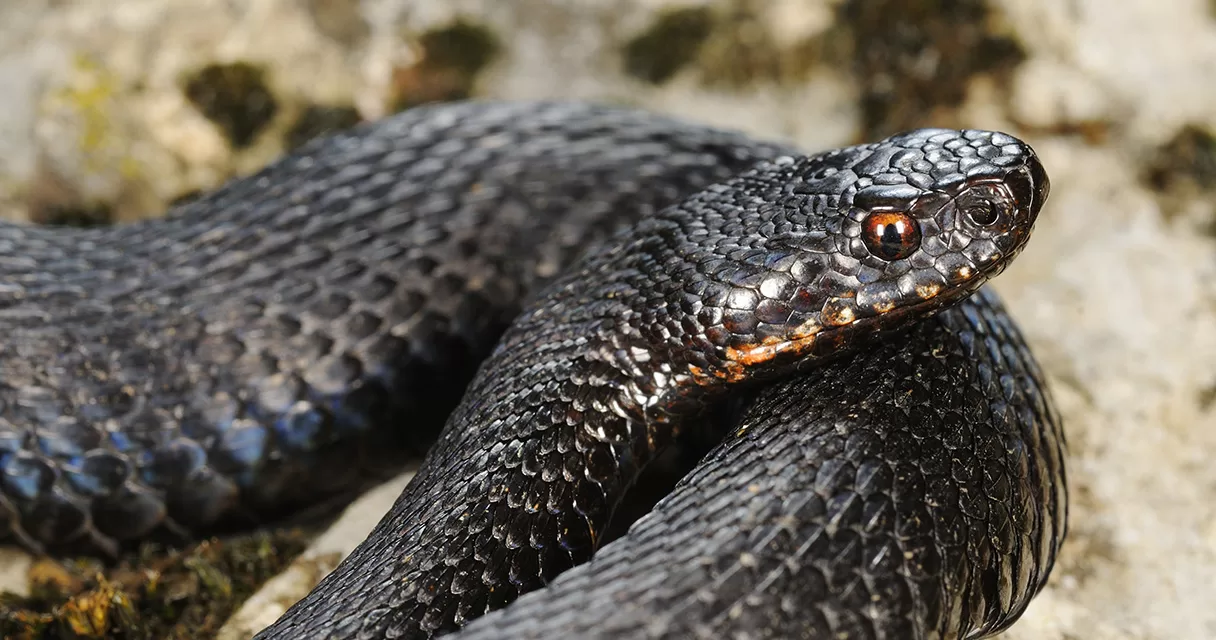
Countries across Latin America and the Caribbean are making important progress toward a coordinated regional strategy to combat the growing health threat posed by venomous animal accidents, according to the Pan American Health Organization (PAHO). This initiative addresses the burden of snakebites, scorpion stings, and encounters with venomous spiders and caterpillars, which annually claim hundreds of lives and leave thousands with permanent disabilities, especially among rural and indigenous populations.
The First Regional Meeting of National Programs for Venomous Animal Accidents (REDPEVA) was held on August 21–22, 2025, at the Butantan Institute in São Paulo, Brazil. Organized by PAHO through its Pan American Center for Foot-and-Mouth Disease and Veterinary Public Health (PANAFTOSA) and supported by the Wellcome Trust, the meeting brought together national experts and stakeholders to craft a regional response to these overlooked health threats.
Dr. Jarbas Barbosa, PAHO Director, highlighted the urgency of a unified strategy to prevent “avoidable deaths and disabilities” caused by venomous animal envenoming. Survivors often endure long-term consequences such as amputations, neurological damage, and psychological conditions, leading to loss of employment and reduced productivity. This places considerable strain on health systems and economies, particularly affecting vulnerable groups.
Key Health Burden and Epidemiology
Shockingly, over 57,000 snakebite cases are officially reported each year in Latin America and the Caribbean, though this number likely underestimates the reality due to underreporting in remote areas lacking healthcare access. Additionally, scorpion and spider envenoming cases have surged significantly from 2021 to 2024, with annual averages of approximately 198,647 and 48,345 cases, respectively. Incidences of snakebite and caterpillar stings have remained relatively stable but nonetheless occur at rates higher than previous years, at 10.9 and 1.2 cases per 100,000 inhabitants, respectively.
Globally, snakebites affect an estimated 5.4 million people each year, causing over 80,000 deaths and leaving threefold more individuals with lasting disabilities. Climate change is expected to worsen these trends by altering the habitats of venomous species, exposing new populations to risk. Dr. Barbosa emphasized the need for a “One Health” approach that integrates human, animal, and environmental health sectors to tackle this multifaceted problem sustainably.
REDPEVA’s Blueprint for Regional Action
REDPEVA represents the Americas’ first technical platform for coordinated action on venomous animal accidents, a major step forward in regional public health policy. The meeting outlined key priorities, including establishing a collaborative network for knowledge exchange, using digital tools to map high-risk zones, standardizing surveillance systems, and enhancing antivenom availability and distribution.
PANAFTOSA introduced new clinical guidelines for managing snake envenoming, alongside a virtual training program aimed at equipping healthcare workers with essential skills to improve patient outcomes.
This regional momentum supports the World Health Organization’s (WHO) global efforts to combat snakebite envenoming, recognized since 2017 as a lethal neglected tropical disease. The WHO’s Global Strategy for Prevention and Control of Snakebite Envenoming, launched in 2019, seeks to halve snakebite deaths worldwide by 2030. Efforts such as International Snakebite Awareness Day on September 19 raise global consciousness, especially targeting resource-poor and underserved communities.
Expert Perspectives
Dr. Ana María López, an infectious disease specialist not involved with REDPEVA, noted, “Venomous animal injuries remain a hidden crisis in many parts of Latin America. This initiative’s focus on surveillance and antivenom access is crucial to reducing mortality and long-term disability.” She emphasized the importance of community education and improved healthcare infrastructure to complement biomedical interventions.
Public Health Implications and Challenges
Venomous animal accidents primarily affect marginalized populations in rural and indigenous areas with limited healthcare resources, exacerbating health inequities. Disabilities following envenoming can have profound economic consequences for families and communities, underscoring the need for integrated rehabilitation services as part of comprehensive care.
Despite promising progress, challenges remain, including underreporting, varying healthcare access across countries, and limited availability of effective antivenoms. The commitment to a unified regional approach backed by data-driven surveillance and capacity building across human and veterinary health sectors offers hope for mitigating this silent but significant health burden.
Conclusion
The advancement of REDPEVA and the collaborative efforts championed by PAHO represent a pivotal moment for public health in the Americas. By prioritizing venomous animal accident prevention through innovative strategies, training, and policy coordination, the region aims to reduce preventable deaths and disabilities that disproportionately impact vulnerable communities. This model could serve as a benchmark for other regions grappling with similar challenges.
Medical Disclaimer: This article is for informational purposes only and should not be considered medical advice. Always consult with qualified healthcare professionals before making any health-related decisions or changes to your treatment plan. The information presented here is based on current research and expert opinions, which may evolve as new evidence emerges.
References
-
Pan American Health Organization. “Countries of the Americas advance toward regional strategy to tackle the health threat from venomous animal accidents.” 21 August 2025.
-
World Health Organization. Global Strategy for the Prevention and Control of Snakebite Envenoming, 2019.