 0
0
 0
0
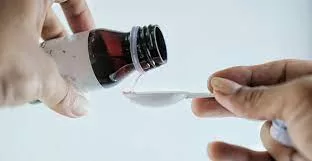
In a harrowing public health tragedy unfolding in Madhya Pradesh, India, 24 children, mostly under five years of age, have died due to suspected kidney failure after consuming a contaminated cough syrup named Coldrif. The Special Investigation Team (SIT) investigating the case has recently arrested Jyoti Soni, wife of Dr Praveen Soni, a paediatrician who was arrested last month for allegedly prescribing the toxic syrup. This arrest marks the seventh in the growing list of accused involved in this case, highlighting a multifaceted investigation into medical negligence and pharmaceutical malpractice.
Key Findings and Developments
The tragedy primarily centers around the Coldrif cough syrup manufactured by Tamil Nadu-based Sresan Pharmaceuticals. Testing revealed that a toxic batch of this syrup contained approximately 48.6% diethylene glycol (DEG), a highly toxic industrial solvent not meant for human consumption. DEG exposure can cause acute kidney failure and has been confirmed as the likely cause behind the children’s deaths. The initial deaths surfaced in Chhindwara district of Madhya Pradesh, but at least three related deaths have also been reported in neighbouring Rajasthan.
The SIT, constituted to probe the incident, has already arrested several key accused, including Sresan Pharma’s owner G. Ranganathan, company chemist K. Maheshwari, medical representative Satish Verma, pharmacist Sourabh Jain, wholesaler Rajesh Soni, in addition to Dr Praveen Soni and now his wife Jyoti Soni. Jyoti Soni was specifically charged with tampering and destroying evidence related to the sale and distribution of the Coldrif syrup. This complex network of culpability underscores multiple lapses in the medical and pharmaceutical supply chain.
Expert Commentary and Context
Expert unaffiliated with the investigation, notes, “Diethylene glycol is a potent nephrotoxin. Its presence in a medication prescribed to children is a grave regulatory failure. The acute kidney injuries we see in such cases often lead to irreversible damage or death, particularly in vulnerable pediatric populations.” She emphasizes the critical need for stringent drug quality surveillance protocols to prevent such incidents.
The World Health Organization (WHO) has issued an alert against three “substandard” oral cough syrups in India, including Coldrif, Respifresh TR, and ReLife, signaling global concern over drug safety standards in the region. This alert came following rising case reports of pediatric morbidity and mortality due to toxic cough syrups.
Implications for Public Health and Policy
The incident has spotlighted systemic weaknesses in drug regulation, manufacturing oversight, and prescribing practices in Madhya Pradesh and beyond. A recent Comptroller and Auditor General report flagged Madhya Pradesh’s procurement practices and regulatory deficiencies, indicating the urgent need for reform.
On the ground, the Madhya Pradesh government has pledged to cover all medical expenses for affected children and has mobilized medical teams for ongoing care. Additionally, the Tamil Nadu government revoked the manufacturing licence of Sresan Pharmaceuticals in response to the incident.
Medical professionals worldwide remind caregivers and healthcare providers to exercise heightened caution with pediatric medication, especially cough syrups, which may pose heightened risks due to undeclared toxic ingredients or contamination.
Potential Limitations and Counterarguments
While the contaminated cough syrup is the central factor, questions remain about prescribing practices and the source supply chain. Some experts argue for broader systemic reviews beyond the manufacturer, scrutinizing how such harmful drugs reached patients, the role of pharmacies, and physician prescribing accountability.
Others caution against attributing blame solely to manufacturing, highlighting the complexity in preventing all adverse drug outcomes and the importance of robust pharmacovigilance systems.
Practical Takeaways for Readers
For parents and caregivers, this tragedy underscores the importance of purchasing medications from trusted sources and consulting healthcare professionals before administering any drugs to children, especially cough remedies that may contain hidden risks. Public health authorities emphasize reporting any adverse drug reactions promptly to facilitate rapid action and safeguard community health.
Medical Disclaimer: This article is for informational purposes only and should not be considered medical advice. Always consult with qualified healthcare professionals before making any health-related decisions or changes to your treatment plan. The information presented here is based on current research and expert opinions, which may evolve as new evidence emerges.
References:
-
Indian Express. (2025, November 3). Cough syrup tragedy: SIT arrests wife of accused doctor in MP case. Retrieved from https://www.newindianexpress.com/nation/2025/Nov/04/cough-syrup-tragedy-sit-arrests-wife-of-accused-doctor-in-mp-case
-
Times of India. (2025, November 3). Coldrif cough syrup deaths: Madhya Pradesh SIT arrests accused doctor’s wife; booked for hiding proof. Retrieved from https://timesofindia.indiatimes.com/city/bhopal/cough-syrup-deaths-sit-arrests-accused-docs-wife-7th-arrest-so-far/articleshow/125068942.cms
-
Medical Dialogues. (2025, November 3). MP Cough syrup deaths: SIT arrests wife of accused paediatrician. Retrieved from https://medicaldialogues.in/news/health/doctors/mp-cough-syrup-deaths-sit-arrests-wife-of-accused-paediatrician-158072