 0
0
 0
0
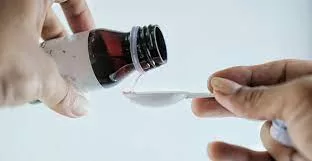
The Federation of All India Medical Association (FAIMA) has urgently appealed to the Union Ministry of Health, Medical Education and Family Welfare to constitute a central committee to investigate recent child deaths linked to contaminated cough syrup in Madhya Pradesh and Rajasthan. The call follows reports of at least 20 young children succumbing to severe adverse effects after consuming the syrup Coldrif, manufactured by Shreesan Pharmaceuticals in Tamil Nadu. FAIMA’s demand highlights serious concerns over pharmaceutical safety, quality assurance, and regulatory oversight in pediatric medicine production and distribution across India.
Key Findings and Developments
The tragedy unfolded with multiple child fatalities due to kidney failure suspected to be caused by ingestion of Coldrif syrup tainted with diethylene glycol — a toxic industrial solvent banned in medicinal products. Laboratory analysis confirmed diethylene glycol concentrations nearly 500 times beyond acceptable safety limits. At least 14-20 deaths have been reported in Madhya Pradesh’s Chhindwara district and Rajasthan, with additional cases raising alarm nationally. Regulatory agencies found that several pharmaceutical companies, including Shreesan Pharmaceuticals, failed to adequately test medicinal batches or adhere to mandated quality controls.
FAIMA’s Position and Recommendations
In a strongly worded statement, FAIMA expressed deep concern over “unfortunate child deaths” and urged a comprehensive and impartial inquiry encompassing all stages — manufacturing, quality testing, and distribution. It recommended the central committee include qualified medical experts, pharmacologists, and representatives from multiple states to maintain transparency and multidisciplinary oversight. FAIMA further called for nationwide inspections and random testing of pediatric medicines to ensure compliance with established quality standards. The association emphasized the need for better coordination between State Drug Control Authorities and the Central Drugs Standard Control Organisation (CDSCO) to enforce uniform surveillance and drug safety measures.
Expert Perspectives and Context
Experts underscore the urgency of strengthening regulatory frameworks governing pediatric drugs in India. A drug regulatory official highlighted persistent lapses in batch testing and quality assurance despite tightened rules following previous global incidents involving Indian cough syrups linked to child fatalities. Contaminated pediatric cough syrups have caused over 140 child deaths in countries like Gambia, Uzbekistan, and Cameroon since 2023, raising serious questions about India’s pharmaceutical exports and domestic supply chain integrity. India’s fragmented and often unregulated cough syrup market—dominated by inexpensive products made by numerous small manufacturers—poses significant challenges to drug safety enforcement. Experts stress that robust quality control and vigilant regulatory oversight are critical to prevent recurrence of such tragedies.
Implications for Public Health
These events underscore the vital importance of stringent drug safety practices, particularly for vulnerable populations like children. Pediatric medicines must be produced and monitored under rigorous conditions to avoid exposure to harmful contaminants. The Union Health Ministry has advised caution in prescribing cough and cold medications to children under five years, recommending avoidance especially in those below two years, unless absolutely necessary after clinical evaluation. The ban on distribution of Coldrif syrup and calls for detailed investigations signal a commitment to addressing regulatory gaps and restoring public confidence in healthcare safety.
Challenges and Counterarguments
While FAIMA advocates for accountability, it urges that registered doctors not be wrongfully blamed or harassed before the investigation concludes—highlighting the need for a fair and scientifically grounded inquiry. The fragmented nature of India’s pharmaceutical sector, with numerous small-scale producers and varying state enforcement capabilities, complicates uniform safety compliance. Industry stakeholders caution that such incidents should not stigmatize the pharmaceutical sector broadly but rather prompt systemic improvements. Nonetheless, these tragedies reveal urgent systemic vulnerabilities demanding coordinated action.
Practical Advice for Readers
Parents and caregivers are advised to exercise caution in administering cough syrups or any medication to young children. Consulting qualified healthcare professionals before use is essential, along with adhering strictly to prescribed dosages. Awareness of drug recalls and safety advisories issued by health authorities can prevent inadvertent exposure to hazardous products. The ongoing government investigations and strengthened regulatory vigilance aim to safeguard children from such preventable harms in the future.
Medical Disclaimer: This article is for informational purposes only and should not be considered medical advice. Always consult with qualified healthcare professionals before making any health-related decisions or changes to your treatment plan. The information presented here is based on current research and expert opinions, which may evolve as new evidence emerges.
References:
- https://www.ndtv.com/india-news/medical-body-wants-central-committee-to-probe-cough-syrup-deaths-9418855
- https://tennews.in/faima-urges-health-ministry-to-form-central-committee-to-probe-cough-syrup-deaths-in-kids/