 0
0
 0
0
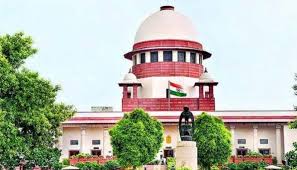
In October 2025, a tragic wave of child deaths in India linked to contaminated cough syrup has reignited critical concerns about drug safety and regulatory oversight in the country. The Supreme Court of India has agreed to hear a Public Interest Litigation (PIL) on October 10, 2025, seeking a court-monitored Central Bureau of Investigation (CBI) probe and a systemic overhaul of the nation’s drug safety mechanisms.
The crisis centers on the deaths of at least 17 to 21 children under the age of five, primarily in Madhya Pradesh and Rajasthan, who succumbed after consuming a cough syrup brand named Coldrif. Investigations revealed that these syrups contained dangerously high levels of diethylene glycol (DEG), a toxic industrial solvent not meant for human consumption. DEG was found at 48.6% concentration in Coldrif, vastly exceeding the permissible limit of 0.1% set by both Indian regulations and the World Health Organization (WHO).
Key Developments and Findings
The contaminated cough syrup was manufactured by Sresan Pharmaceuticals in Tamil Nadu. Following the cluster of child deaths, local police arrested the company owner, G. Ranganathan, under charges of culpable homicide not amounting to murder and drug adulteration. Authorities have banned Coldrif in several states while initiating license revocation and criminal proceedings against the manufacturer. Official laboratory tests confirmed the presence of DEG, a substance known to cause kidney failure, the primary cause of death among affected children.
Public health authorities identified that many of the fatalities occurred in the month leading up to October 2025, mostly in government hospitals in Madhya Pradesh. Despite regulatory standards in place, this incident highlights persistent failures in drug safety enforcement and oversight, particularly among smaller pharmaceutical firms producing low-cost generic medicines.
Supreme Court Intervention and Demand for Systemic Reform
The PIL filed by advocate Vishal Tiwari requests the Supreme Court to transfer all pending investigations to a centralized CBI probe under the supervision of a retired Supreme Court judge to ensure uniformity and fairness. The plea also seeks the creation of a National Judicial Commission or Expert Committee tasked with identifying regulatory lapses that permitted substandard and toxic medicines to enter the market.
The petitioner argues that fragmented state-level investigations have led to inconsistent accountability and enable repeated safety violations. The court-monitored probe aims to strengthen oversight and prevent future tragedies by mandating toxicological testing in NABL-accredited laboratories before any sale or export of suspect medicines.
Expert Commentary and Context
Dr. Rajiv Bahl, Secretary of the Department of Health Research and Director-General of the Indian Council of Medical Research (ICMR), stressed that most coughs in children are self-limiting and that cough syrups should be used cautiously, especially in pediatric populations, to minimize adverse effects. Dr. Sunita Sharma, Director General of Health Services, highlighted minimal proven benefits of cough syrups for children combined with a significant risk profile, advocating for rational use guidelines soon to be circulated to healthcare providers and the public.
The WHO has expressed serious concern about these deaths and sought clarifications from Indian authorities regarding export controls to ensure such contaminated products have not reached international markets.
Public Health Implications
This tragic episode underscores critical issues in India’s pharmaceutical regulation, including inadequate quality control, insufficient surveillance, and challenges in managing a fragmented market with numerous small manufacturers. It calls attention to the need for strengthened drug safety policies, targeted inspections, and widespread education to avoid inappropriate prescriptions of cough syrups, especially in young children.
For the public, the incident emphasizes caution in the use of over-the-counter cough remedies, particularly for infants and toddlers, and underscores the importance of consulting healthcare professionals before administering any medication to children.
Limitations and Counterarguments
While the evidence linking DEG contamination to the deaths is clear in this outbreak, critics caution against broad stigmatization of all cough syrups, noting that many regulatory improvements have been made since past tragedies. Some argue for balanced communication to avoid undue panic while reinforcing safety standards. The government’s ongoing Risk-Based Inspections at manufacturing sites reflect efforts to address systemic gaps.
Medical Disclaimer
This article is for informational purposes only and should not be considered medical advice. Always consult with qualified healthcare professionals before making any health-related decisions or changes to treatment plans. The information presented here is based on current research and expert opinions, which may evolve as new evidence emerges.
References