 0
0
 0
0
Continuous glucose monitors (CGMs), small wearable devices that track blood sugar levels around the clock, are seeing a surge in popularity across the United States. Marketed heavily as tools to help individuals—both with and without diabetes—better manage their health, CGMs are prompting both excitement and caution among health experts.
The New Wave of Wearable Health Tech
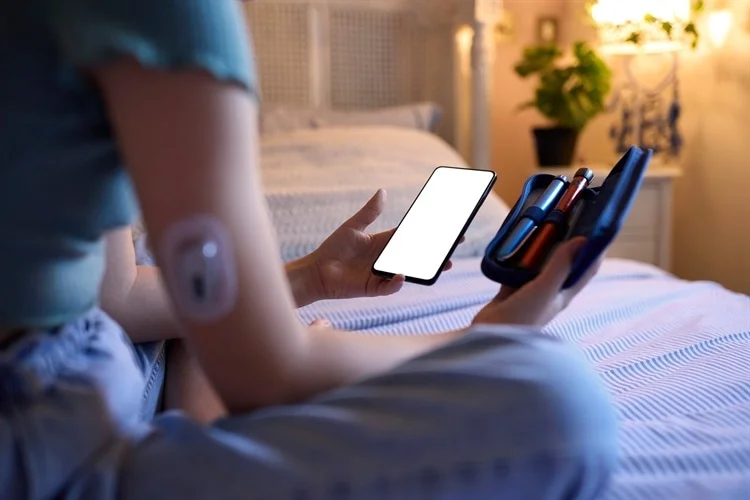
Roughly the size of a quarter, CGMs stick to the skn and measure glucose levels in the fluid between cells, transmitting the data continuously to smartphones, smartwatches, or dedicated receivers. Originally developed for people with diabetes, these devices allow users to observe glucose fluctuations throughout the day—while eating, exercising, or even sleeping. Proponents say access to this trove of data helps users make more informed choices about diet and lifestyle.
According to Health Secretary Robert F. Kennedy Jr., CGMs have the potential to “empower individuals to manage their own health.” The devices, first approved by the U.S. Food and Drug Administration in 2017 for diabetes care, are now part of a booming wellness industry, with increasing numbers of people seeking detailed insights into their body’s metabolic responses.
Benefits and Limitations
For people with insulin-dependent diabetes, CGMs can be lifesaving, reducing the frequency of dangerous lows and highs in blood sugar by providing timely alerts and helping fine-tune insulin dosing. Users can identify how meals, exercise, and medications affect their glucose levels minute by minute, leading to better disease control and improved quality of life.
However, experts stress that for people without diabetes, the benefits of CGMs remain unclear. There is little research showing that real-time glucose monitoring helps healthy people make better nutrition decisions or avoid disease. Moreover, constant tracking may foster unnecessary anxiety over minor, temporary glucose fluctuations which are a normal part of the body’s response to food and activity.
Risks and Warnings
Medical authorities also urge caution for all users. U.S. health officials recently warned that patients relying on smartphone-connected CGM systems could face serious health risks if they miss critical alerts due to silenced notifications or pairing issues with other devices. The Food and Drug Administration (FDA) received reports of users missing severe low-blood-sugar warnings, resulting in dangerous medical events and, in some cases, deaths. They advise users to routinely check device settings to ensure alerts are active and audible, especially after updating phone settings or pairing new accessories.
Additionally, device manufacturers have issued recalls and replacement programs for certain CGM sensors found to produce inaccurate readings, reminding the public that no medical device is infallible. Abbott, for example, recently warned customers about faulty sensors in its FreeStyle Libre 3 system in the U.S., offering free replacements for affected units.
The Bottom Line
While CGMs offer significant benefits for people with diabetes—helping them manage and prevent dangerous highs and lows—experts say healthy individuals should be wary of the hype. Before investing in CGMs, users are urged to consult healthcare providers to assess their personal risk and potential benefit.
Disclaimer:
This article is for informational purposes only and is not intended as medical advice. Always consult a qualified healthcare provider regarding any questions about your health, medical devices, or management of medical conditions.