 0
0
 0
0
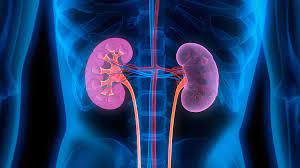
Researchers at Tohoku University have identified that lubiprostone, a medication typically used to treat constipation, can significantly slow the decline of kidney function in patients with chronic kidney disease (CKD). The findings, published in the journal Science Advances on August 30, 2025, mark a potential breakthrough in CKD management, a condition long lacking effective drugs to preserve renal function.
Key Findings:
The multicenter Phase II clinical trial, named the LUBI-CKD TRIAL, enrolled 150 patients with moderate CKD (stage IIIb-IV) across nine institutions in Japan. Patients received daily doses of either placebo or lubiprostone at 8 µg or 16 µg for 24 weeks. Results demonstrated a dose-dependent suppression of kidney function decline, measured by estimated glomerular filtration rate (eGFR). Notably, the 16 µg group showed renal function preservation as early as week 8, with a statistically significant improvement in eGFR slope compared to placebo.
Research Mechanism:
Investigators explored the biological mechanisms driving this protective effect. Lubiprostone modulated gut microbiota by increasing gut-derived spermidine—a polyamine known to enhance mitochondrial function. Improved mitochondrial health in kidney cells translated into reduced renal damage, suggesting a gut-kidney axis crucial in CKD progression. This approach differs from typical CKD treatments that focus mainly on reducing uremic toxins.
Expert Commentary:
Professor Takaaki Abe, lead researcher from Tohoku University Graduate School of Medicine, highlighted the significance: “Constipation disrupts the intestinal microbiota balance, which exacerbates kidney dysfunction in CKD patients. By treating constipation with lubiprostone, we restored gut microbial homeostasis that positively impacted kidney health.” Independent nephrologists not involved in the study praised this novel therapeutic direction emphasizing gut microbiota’s role in systemic diseases.
Public Health Context:
CKD affects millions worldwide and often progresses silently until advanced stages requiring dialysis or transplantation. Up to 60% of CKD patients suffer chronic constipation, which contributes to gut dysbiosis and worsened renal outcomes. Lubiprostone’s dual role in treating constipation and preserving kidney function could potentially reduce CKD progression rates and delay dialysis onset, alleviating healthcare burdens.
Limitations and Next Steps:
The trial’s relatively short duration (24 weeks) and moderate sample size warrant cautious interpretation. While kidney function markers improved, the study did not significantly alter uremic toxin levels, suggesting that other pathways are involved. The research team is planning a larger Phase III clinical trial to validate these findings and explore biomarkers to tailor therapy better to individual patients’ needs.
Practical Implications:
For patients and healthcare providers, these findings offer hope for a new, accessible treatment avenue that repurposes an existing drug with a known safety profile. It underscores the importance of addressing gastrointestinal health in chronic diseases and fosters a holistic approach to CKD management. Patients should not self-medicate but discuss these developments with their nephrologists as the research progresses.
Medical Disclaimer:
This article is for informational purposes only and should not be considered medical advice. Always consult with qualified healthcare professionals before making any health-related decisions or changes to your treatment plan. The information presented here is based on current research and expert opinions, which may evolve as new evidence emerges.
References: