 0
0
 0
0
Every year, India bears the world’s heaviest burden of rabies deaths, with an estimated 18,000 to 20,000 fatalities, mostly children, according to the World Health Organization (WHO). Despite having effective vaccines and life-saving rabies immunoglobulin (RIG), gaps in timely treatment, supply shortages, and awareness continue to fuel this preventable tragedy. This article explores the challenges, expert insights, and urgent calls for action in India’s fight against rabies.
Key Findings:
India accounts for more than one-third of global rabies fatalities, with nearly half of cases occurring in children under 15, who face higher risks due to delayed or missed treatment after dog bites. Rabies can progress rapidly, sometimes outpacing vaccination, especially if treatment starts late or wounds are not properly cleaned. Rabies immunoglobulin (RIG), which provides immediate protection alongside vaccines, remains unavailable or inaccessible to many patients. Public health experts emphasize that while vaccines are broadly available across about 80% of facilities, RIG availability lags at 40-50%, with significant regional disparities.
Expert Perspectives:
Dr. Swadesh Kumar, Cluster Head of Emergency and Ambulance Services at Dharamshila Narayana Hospital, highlights that delayed vaccination, improper wound cleaning, and severe bite locations (face, deep wounds) can reduce vaccine effectiveness, underscoring the need for RIG in such high-risk cases. Dr. Neha Mishra, Infectious Diseases Consultant at Manipal Hospital, elaborates that immune-compromised individuals or those on immunosuppressive therapy may not respond fully to vaccines, needing careful monitoring and RIG administration. Dr. Neha Rastogi, Consultant at Fortis Gurgaon, notes that true vaccine failures are rare but primarily linked to late care or supply gaps and stresses that most rabies deaths are preventable with correct protocol adherence.
Context and Background:
Rabies is almost always fatal once symptoms appear but is nearly 100% preventable with prompt post-exposure prophylaxis (PEP). PEP includes thorough wound washing immediately after the bite, followed by vaccination and, where indicated, RIG administration. The virus can enter the nervous system within hours, making early intervention critical. India’s challenges are compounded by logistical issues, cold-chain management failures, and inconsistent supply distribution, particularly in rural areas. Seasonal factors such as monsoon or festival times lead to spikes in dog bites, increasing demand for rabies treatments.
Implications for Public Health:
Improving access to both vaccines and RIG is imperative for reducing rabies deaths. Experts advocate for multi-pronged strategies: establishing 24/7 PEP facilities with trained staff, ensuring proper vaccine scheduling and cold-chain maintenance, expanding public awareness on immediate wound care, and enhancing supply chain transparency through digital tracking systems. The government’s National Rabies Control Programme (NRCP) and recent regulatory focus (including Supreme Court directives on stray dog management) emphasize vaccination and sterilization of dogs as sustainable long-term solutions.
Potential Limitations and Counterarguments:
Some experts caution that relocation of stray dogs without mass vaccination can worsen transmission risks by creating “vacuum effects” that attract unvaccinated animals. Overcrowded shelters could amplify disease spread if vaccination coverage and capacity are inadequate. Additionally, RIG shortages and high costs, especially of human-derived immunoglobulin, challenge equitable access. Immunocompromised patients require more intensive follow-up, but antibody titer testing is often unavailable outside specialized centers, limiting personalized care.
Practical Implications for Readers:
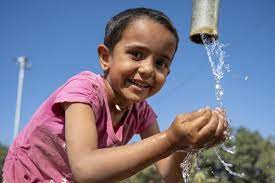
The simplest yet most effective defense against rabies begins immediately after a dog bite with thorough washing of the wound with soap and water for at least 15 minutes to drastically reduce viral load. Seeking prompt medical attention for vaccination and, when indicated, RIG administration is essential. Public understanding of the critical early window for treatment, adherence to full vaccination schedules, and awareness of potential risks remain vital in preventing fatalities.
Medical Disclaimer:
This article is for informational purposes only and should not be considered medical advice. Always consult with qualified healthcare professionals before making any health-related decisions or changes to your treatment plan. The information presented here is based on current research and expert opinions, which may evolve as new evidence emerges.
References:
- https://health.economictimes.indiatimes.com/news/industry/confronting-indias-rabies-epidemic-a-call-for-urgent-action/123503830?utm_source=top_story&utm_medium=homepage
.