 0
0
 0
0
A widely used antibiotic, doxycycline, may significantly lower the risk of adolescents developing schizophrenia later in life, according to a major new study analyzing over 56,000 youth patients in Finland. The research, conducted by an international team and published in the American Journal of Psychiatry, suggests those prescribed doxycycline during adolescence had a 30–35% lower chance of developing schizophrenia compared to peers given other antibiotics, signaling a potential new avenue for early prevention of severe mental illness.
Key Findings
-
Researchers from the University of Edinburgh, University of Oulu, and University College Dublin conducted large-scale statistical modeling using Finnish national healthcare registry data.
-
Study participants included over 56,000 adolescents prescribed antibiotics while under mental health care.
-
Adolescents who received doxycycline were found to be 30–35% less likely to develop schizophrenia by adulthood than those who took other antibiotics, with an absolute risk reduction of about 2–3 cases per 100.
-
The findings remained significant after adjusting for potential confounding factors, such as the reason for antibiotic prescription (e.g., acne treatment vs. infection) and differences in baseline health.
Expert Commentary
Professor Ian Kelleher, lead researcher and professor of child and adolescent psychiatry at the University of Edinburgh, emphasized the study’s importance:
“Because the study was observational in nature and not a randomized controlled trial, we can’t draw firm conclusions on causality, but this is an important signal to further investigate the protective effect of doxycycline and other anti-inflammatory treatments in adolescent psychiatry patients as a way to potentially reduce the risk of developing severe mental illness in adulthood”.
Dr. Katharina Schmack, a psychosis researcher at the Francis Crick Institute in the UK (not involved in the study), commented, “The absolute numbers are modest. Fifteen years after doxycycline treatment, instead of about five out of 100 people, now roughly two to three out of 100 would develop schizophrenia”. She cautioned that while the reduction is meaningful on a population level, individual risks remain very low.
Context and Background
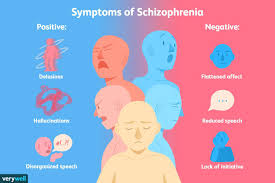
Schizophrenia is a severe mental disorder characterized by hallucinations, delusional beliefs, and cognitive disruption, typically emerging in early adulthood. Globally, it affects an estimated 23 million people and can severely impair daily functioning.
Doxycycline is a broad-spectrum antibiotic frequently used for common infections and acne. Unlike traditional antipsychotics, it is not currently indicated for psychiatric disorders. The researchers hypothesize that doxycycline’s apparent protective effect may be due to its ability to reduce inflammation in the brain and influence “synaptic pruning”—the process by which the brain refines neural connections during adolescence. Excessive or abnormal pruning has been implicated in the development of schizophrenia.
Implications for Public Health
If further research, particularly randomized controlled trials, confirms these results, doxycycline or other anti-inflammatory agents might become preventive strategies for schizophrenia among high-risk youth. “At present, we don’t have any interventions that are known to reduce the risk of going on to develop schizophrenia in these young people. That makes these findings exciting,” said Professor Kelleher.
This could pave the way for new, nontraditional interventions targeting inflammation-related pathways in adolescent psychiatry. However, experts warn against prematurely prescribing antibiotics for mental health prevention outside research settings due to antibiotic resistance and other risks associated with unnecessary antibiotic use.
Limitations and Counterarguments
-
The study’s observational design means it cannot establish causality; randomized controlled trials are necessary before any clinical recommendations can be made.
-
It is possible that unknown confounding factors—such as underlying immune differences or environmental exposures—could account for some of the association observed.
-
Routine use of antibiotics as preventive therapy raises concerns about adverse effects and promoting antibiotic resistance, underscoring the need for replication and careful risk-benefit consideration.
-
Experts not involved in the study highlighted that while findings are “tentative but exciting,” clinical practice should not change until more robust evidence emerges.
Practical Implications for Readers
-
Adolescents currently prescribed doxycycline for infections or acne should not expect psychiatric benefits, as the findings are not immediately transferable to clinical practice.
-
Individuals concerned about schizophrenia risk should focus on established preventive measures—such as early mental health intervention, stable support systems, and minimizing substance use—until further research clarifies any potential role for antibiotics.
-
Parents and clinicians should avoid off-label antibiotic use for unapproved purposes due to potential harms.
References