 0
0
 0
0
A groundbreaking study published in Lancet eBioMedicine has revealed a startling health crisis linked to a common chemical used in plastics-phthalates. These chemicals, widely added to plastics to enhance flexibility and durability, are now found to be contributing to a significant rise in heart disease deaths, with India emerging as the worst-affected country globally.
Alarming Mortality Figures
The research, led by scientists at NYU Langone Health, estimates that in 2018 alone, over 1 lakh (103,587) Indians aged 55 to 64 died from heart disease associated with exposure to di(2-ethylhexyl) phthalates (DEHP), a specific type of phthalate. This figure far exceeds the death tolls reported in China (60,937) and Indonesia (19,761), highlighting India’s disproportionate burden.
Moreover, India lost an estimated 2.9 million years of life (YLL) due to cardiovascular deaths linked to phthalates-the highest in the world. This means millions of years of life were cut short because of everyday exposure to toxic chemicals hidden in plastic packaging, personal care products, and medical devices.
Why India Is Particularly Vulnerable
Several factors contribute to India’s staggering numbers:
-
Rapid industrialization and expanding plastics industry: India’s booming plastic production often occurs with limited regulatory oversight.
-
High consumption of packaged and processed foods: Urban residents, in particular, face elevated risks due to frequent use of plastic containers and packaged goods.
-
Widespread use of phthalate-containing products: Cosmetics, perfumes, lotions, medical tubes, and intravenous bags commonly contain DEHP.
-
Weak enforcement of safety standards: Despite recent regulations restricting DEHP in food packaging, enforcement remains inconsistent.
-
Growing elderly population: The rising number of people aged 55 to 64 increases vulnerability to chronic diseases like heart disease.
Health Impacts of Phthalates
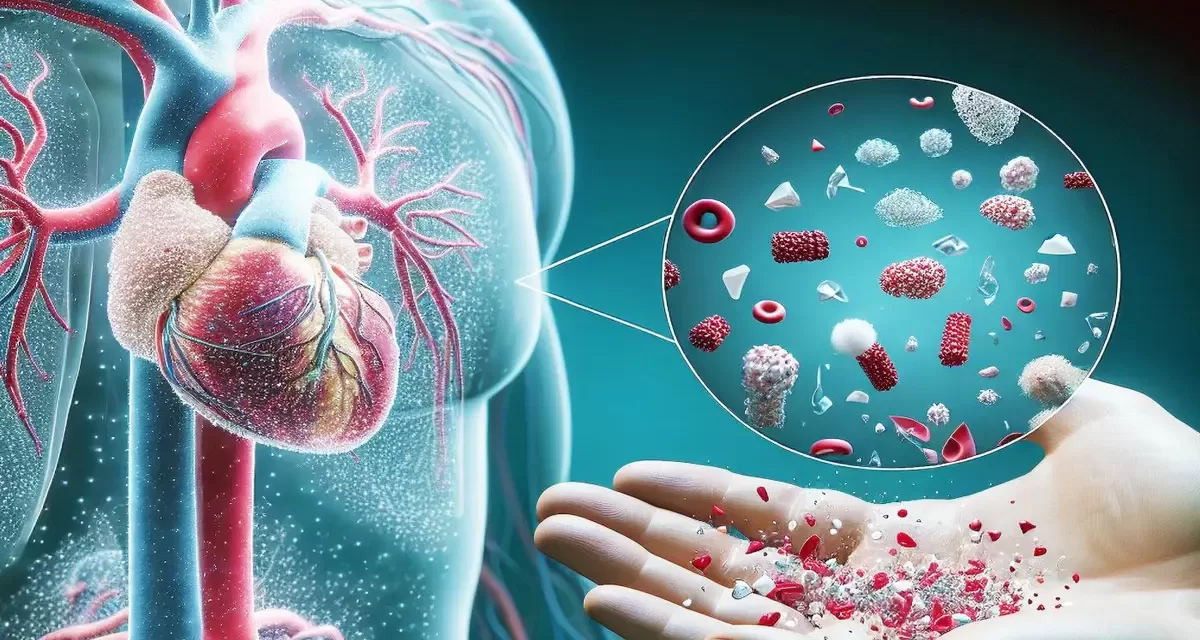
Phthalates can leach from plastic products into food, skin, and the environment. Once inside the body, they interfere with hormones, promote inflammation in blood vessels, and affect fat storage. These biological effects increase the risk of heart attacks, strokes, and hypertension.
The study’s authors note that phthalate exposure triggers an overactive immune response in the arteries, contributing to cardiovascular disease progression.
Global Context and Economic Burden
Globally, DEHP exposure was linked to over 356,000 deaths from heart disease in 2018 among people aged 55 to 64, accounting for more than 13% of all heart disease mortality in this age group. The resulting economic burden from these deaths is estimated between $510 billion and $3.74 trillion worldwide.
Regions with the highest phthalate-linked mortality include East Asia, the Middle East, and the Pacific, reflecting patterns of industrialization and plastic use.
Calls for Urgent Action
Lead author Sara Hyman emphasized, “Our findings add to the vast body of evidence that these chemicals present a tremendous danger to human health.” Senior author Leonardo Trasande urged global regulatory efforts, stating, “There is a clear disparity in which parts of the world bear the brunt of heightened heart risks from phthalates… Our results underscore the urgent need for global regulations to reduce exposure to these toxins.”
What Can Be Done?
-
Strengthening regulations and enforcement on plastic additives.
-
Raising public awareness about phthalate risks.
-
Promoting alternatives to phthalate-containing products.
-
Encouraging safer manufacturing practices in the plastics industry.
-
Reducing consumption of packaged and processed foods.
Disclaimer
This article is based on the findings published in the Lancet eBioMedicine journal and related scientific research. While the study highlights significant associations between phthalate exposure and heart disease mortality, individual risk may vary. Readers are advised to consult healthcare professionals for personalized advice and to stay informed through credible public health sources.
Citations: