 0
0
 0
0
May 20, 2025 – New Delhi:
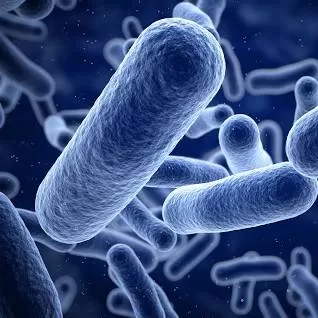
A new scientific study has revealed that a common hospital superbug, Pseudomonas aeruginosa, can digest plastics used in medical devices, potentially increasing the risk of infections for patients worldwide, including in India.
Researchers from Brunel University London, whose work was published in the journal Cell Reports, discovered that this multidrug-resistant bacterium is capable of breaking down polycaprolactone (PCL)-a plastic widely used in sutures, implants, and various other medical equipment. This finding raises urgent concerns about infection control in hospitals.
Superbug’s Unprecedented Abilities
Pseudomonas aeruginosa is already notorious for causing up to 30% of hospital-acquired infections. The new research found that it can not only degrade PCL but also use it as its sole carbon source, fueling its growth. This capability was previously thought impossible with hospital-grade polymers.
At the heart of this process is a newly identified enzyme, Pap1, isolated from a patient-derived strain of the bacterium. Laboratory tests showed that Pap1 could degrade 78% of a PCL sample within just seven days.
Implications for Patient Safety
The breakdown of medical plastics by P. aeruginosa not only helps the bacteria survive but also boosts its ability to form biofilms-slimy, protective layers that shield pathogens from antibiotics and immune responses. These biofilms are a major reason why infections caused by this superbug are so difficult to treat and often recur.
While the study did not specifically focus on India, previous research indicates that P. aeruginosa is responsible for 10–30% of hospital-acquired infections in the country. The bacterium can cause a wide range of illnesses, including urinary tract, lung, burn, and bloodstream infections.
According to the Journal of Pure and Applied Microbiology, the prevalence of P. aeruginosa in India and its resistance to multiple classes of antibiotics make it particularly challenging to treat.
Wider Threat to Medical Devices
Researchers warn that other plastics commonly used in medical devices-such as polyethylene terephthalate and polyurethane, found in catheters, stents, bone scaffolds, and implants-may also be vulnerable to microbial degradation. Genetic evidence of similar plastic-digesting enzymes has been found in other pathogenic bacteria, suggesting this threat might not be unique to P. aeruginosa.
Calls for Urgent Action
Professor Ronan McCarthy, who led the study, urged an immediate reassessment of how pathogens persist in hospital environments. He recommended:
-
Reevaluating cleaning and disinfection protocols
-
Developing medical-grade plastics resistant to microbial digestion
-
Screening for plastic-degrading enzymes, especially during unexplained or prolonged hospital outbreaks
As antibiotic resistance continues to rise, monitoring these bacterial populations is crucial to inform effective treatment policies and protect patient safety.
Disclaimer:
This article is based on a press release and research findings as reported by PTI and published in Cell Reports. The information provided is for general awareness and should not be construed as medical advice. For specific concerns regarding hospital-acquired infections or medical device safety, please consult healthcare professionals.
Citations: