 0
0
 0
0
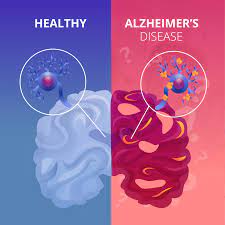
A common drug has shown promising potential to prevent and even reverse Alzheimer’s disease, according to recent research reported by the New York Post on August 8, 2025. Scientists have discovered that this drug helps protect the brain’s blood-brain barrier, a critical defense mechanism that prevents harmful substances from entering the brain and causing damage linked to Alzheimer’s.
In experimental studies on mice, the drug, known as SW033291, blocks an enzyme called 15-PGDH which becomes increasingly active in Alzheimer’s cases. By doing so, it preserves memory and cognitive function, reducing inflammation and cell death that lead to memory loss and confusion. This discovery represents a potential breakthrough in Alzheimer’s treatment, as the blood-brain barrier dysfunction is recognized as an early factor in the disease.
While these findings are promising, researchers emphasize that further studies, including clinical trials in humans, are needed before SW033291 can be approved as a treatment for Alzheimer’s disease. The current standard of care still involves recently FDA-approved antibody therapies like lecanemab and donanemab, which moderately slow cognitive decline by targeting amyloid plaques in the brain but do not fully reverse the disease.
This emerging research may pave the way for a new class of treatments that not only slow but potentially prevent or reverse Alzheimer’s by protecting the brain’s natural defenses.
Disclaimer: This article is based on early research findings and experimental studies primarily conducted on animals. The drug SW033291 is not currently approved for the treatment of Alzheimer’s disease in humans. Patients should consult healthcare professionals and rely on FDA-approved treatments until further clinical evidence is available.