 0
0
 0
0
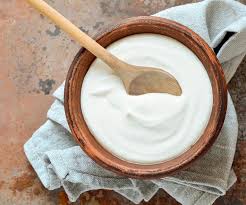
In a groundbreaking advancement for regenerative medicine, scientists at Columbia University have developed an injectable gel derived from yogurt that can aid in healing and regenerating tissue. The innovation harnesses extracellular vesicles (EVs) — tiny, bioactive particles naturally found in dairy products — as the main ingredient in creating a flexible, biocompatible hydrogel capable of engaging surrounding cells and promoting tissue repair.
How the Gel Works
EVs are microscopic sacs packed with proteins, genetic material, and other biological signals essential for cellular communication and regeneration. By extracting these EVs from yogurt, Columbia researchers designed a hydrogel where the vesicles serve two crucial roles:
-
Bioactive Cargo: Delivering healing signals that stimulate surrounding cells.
-
Structural Component: Crosslinking with biocompatible polymers to form the scaffold of the gel, mimicking the mechanics of living tissue.
This eliminates the need for synthetic materials and chemical additives, making the hydrogel both safe and environmentally friendly.
Promising Experimental Results
Early experiments involved injecting the yogurt-based hydrogel into mice with tissue injuries. Results showed rapid and robust formation of new blood vessels within just one week, a key indicator of effective healing. The treated animals exhibited no adverse reactions; instead, the tissue regeneration process was accelerated, and an anti-inflammatory immune response was triggered, further supporting recovery.
In addition to rapid healing, the gel’s flexibility and biocompatibility suggest it could be highly effective as a localized treatment for wounds and injuries, as it can be custom-shaped and injected precisely where needed.
A Sustainable Solution
Notably, this advancement also promotes sustainability. The process transforms common dairy byproducts — often regarded as waste — into valuable biomedical materials. The yield and scalability of yogurt-derived EVs make this approach cost-effective and eco-friendly, with potential for widespread impact in the field of wound treatment and regenerative medicine.
Next Steps and Cautions
While the early results are promising, the gel has so far only been tested in animal models. Further studies are underway to fully understand its immune-modulating mechanisms and long-term effects before human clinical trials can begin.
“Being able to design a material that closely mimics the body’s natural environment while also speeding up the healing process opens a new world of possibilities for regenerative medicine,” said Artemis Margaronis, a graduate research fellow and lead author of the study.
Disclaimer:
This article summarizes ongoing scientific research. The yogurt-based healing gel is still in the experimental stage and has not yet been approved for use in humans. It should not be interpreted as a currently available treatment. Individuals should always consult healthcare professionals for medical advice and not rely on experimental therapies described in early scientific reports.