 0
0
 0
0
Stool tests, often underestimated as routine procedures, are potent diagnostic tools capable of revealing a broad range of serious gastrointestinal diseases, including colorectal cancer, infections, inflammatory conditions, and malabsorption disorders. These tests are non-invasive, cost-effective, and their evolving precision through advanced molecular diagnostics significantly improves early disease detection and patient outcomes.
Key Findings in Stool Testing for Disease Detection
-
Colorectal Cancer (CRC): Early Detection Saves Lives
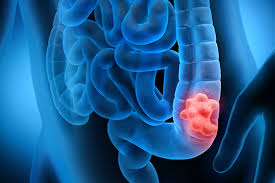
Colorectal cancer ranks among the leading causes of cancer-related deaths globally. Stool-based screening tests like the fecal immunochemical test (FIT), guaiac-based fecal occult blood test (gFOBT), and the multitarget stool DNA test (mt-sDNA) are clinically validated tools for early CRC detection. Notably, the mt-sDNA test shows a high sensitivity of 92.3% for identifying CRC, offering a critical window for timely intervention that can dramatically reduce mortality. This early detection also improves the likelihood of successful treatment and reduced healthcare burdens. -
Gastrointestinal Infections: Identifying Pathogens Early
Stool tests are essential for diagnosing infections caused by bacteria, viruses, or parasites. In one study analyzing over 17,000 stool samples, nearly half tested positive for at least one infectious pathogen. Accurate identification of the specific pathogen allows clinicians to tailor targeted treatment, which can limit complications such as dehydration, malnutrition, or progression to chronic illness. -
Inflammatory Bowel Diseases (IBD): Monitoring Disease Activity
Fecal biomarkers have transformed the management of chronic inflammatory conditions like Crohn’s disease and ulcerative colitis. For example, elevated levels of fecal calprotectin—a protein indicating inflammation—serve as a reliable marker for active disease. Regular stool testing helps physicians monitor disease progression and adjust therapies to prevent flare-ups and complications, improving quality of life for affected individuals. -
Malabsorption Disorders: Diagnosing Nutrient Absorption Issues
Conditions impacting nutrient absorption, including celiac disease and pancreatic insufficiency, can be detected through stool analysis. The presence of fecal fat droplets is one indicator of malabsorption. Early diagnosis enables dietary modifications, enzyme replacement therapies, and other interventions to prevent malnutrition and associated health problems. -
Parasitic Infections: Detecting Intestinal Parasites
Microscopic stool examination remains the gold standard for diagnosing intestinal parasitic infections such as Giardia or Entamoeba histolytica. These infections may present with symptoms like diarrhea and abdominal pain. Early identification through stool tests ensures timely antiparasitic treatment, reducing the risk of chronic gastrointestinal issues.
Expert Perspectives
Dr. Anita Sharma, a gastroenterologist not involved in the referenced studies, emphasized the value of stool testing in preventive health: “Routine stool testing can be a lifesaver, especially in colorectal cancer screening. The ability to detect disease at a stage when treatment is more effective is invaluable.” She also highlighted the importance of public awareness to overcome the stigma and reluctance associated with stool samples.
Context and Public Health Implications
With colorectal cancer rising in younger populations and gastrointestinal infections remaining prevalent, stool tests offer a scalable screening and diagnostic solution with significant public health impact. The availability of non-invasive, accurate stool tests supports population-wide screening strategies that can lower disease burden and healthcare costs substantially.
Limitations and Balanced Considerations
While stool tests offer many advantages, they are not without limitations:
-
Sensitivity and specificity vary among different stool tests, sometimes requiring confirmation by colonoscopy or other diagnostic methods.
-
False positives can lead to unnecessary anxiety and invasive follow-up procedures.
-
Access and affordability may limit widespread use in low-resource settings.
Practical Implications for Readers
Individuals should discuss stool testing options with their healthcare providers, especially if they are at elevated risk for colorectal cancer or have symptoms suggestive of gastrointestinal disease. Regular screening starting at age 45 or earlier for high-risk groups is recommended by major health authorities. Additionally, stool tests provide valuable monitoring for people with chronic intestinal disorders to help optimize treatment and maintain remission.
References
-
Imperiale TF, Ransohoff DF, Itzkowitz SH, et al. Multitarget Stool DNA Testing for Colorectal-Cancer Screening. N Engl J Med. 2014;370(14):1287-1297. doi:10.1056/NEJMoa1311194
-
Garcia LS. Diagnostic Medical Parasitology. 6th edition. ASM Press; 2016.
-
Vermeire S, Van Assche G, Rutgeerts P. Review article: fecal calprotectin as a marker for inflammatory bowel disease. Aliment Pharmacol Ther. 2010;31(5):455-463. doi:10.1111/j.1365-2036.2009.04107.x
-
Centers for Disease Control and Prevention (CDC). Colorectal Cancer Screening Recommendations, 2023.
-
Interview with Dr. Anita Sharma, Consultant Gastroenterologist, Institute of Digestive Health, August 2025.
Medical Disclaimer: This article is for informational purposes only and should not be considered medical advice. Always consult with qualified healthcare professionals before making any health-related decisions or changes to your treatment plan. The information presented here is based on current research and expert opinions, which may evolve as new evidence emerges.