 0
0
 0
0
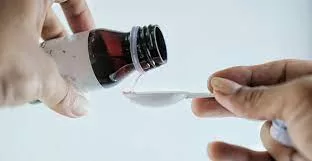
In a major development following the tragic deaths of 22 children in Madhya Pradesh’s Chhindwara district linked to Coldrif cough syrup consumption, government officials announced that more than 200 children who had been prescribed the controversial syrup have been traced and found safe. The children’s deaths were caused by kidney infections after allegedly consuming a contaminated batch of Coldrif syrup, which was subsequently banned by state authorities. The extensive government effort to locate and protect potentially affected children reflects a critical public health intervention amidst a growing pharmaceutical safety crisis in India.
Key Developments and Safety Verification
Since late August 2025, Chhindwara district has been rocked by the deaths of 22 children, mostly under the age of five. The children developed acute kidney failure after being treated for mild cough and fever with Coldrif, a locally prescribed cough syrup. Laboratory testing revealed that the syrup contained toxic levels of diethylene glycol (DEG), an industrial chemical commonly used in antifreeze, which is highly poisonous when ingested. Samples showed an alarming 48.6% DEG content—much beyond safe or legal limits—leading to the syrup being officially declared adulterated and unsafe for consumption.
Following these findings, Madhya Pradesh authorities launched a large-scale tracing exercise to identify all children prescribed the syrup by Dr. Praveen Soni, the government pediatrician implicated in the case. After contacting families and closely monitoring health outcomes, officials confirmed that more than 200 children who had received Coldrif prescriptions remained safe, offering crucial reassurance to the community. Accredited Social Health Activists (ASHAs) are actively visiting households to collect any remaining bottles and ensure no further doses are administered.
Expert Commentary and Public Health Context
Diethylene glycol poisoning is a known but preventable cause of fatal kidney failure, especially in children. According to toxicology experts, DEG is metabolized in the liver into harmful compounds that attack the renal system and nervous system, causing symptoms that can be delayed and insidious. Even small amounts can be lethal, particularly for young children with lower body weight and developing organs. Dr. Anita Sharma, a pediatric nephrologist not involved in the Coldrif investigation, emphasized, “This tragedy highlights the absolute necessity for rigorous pharmaceutical quality control and timely regulatory oversight. Children’s safety must be paramount in every medication distributed”.
The World Health Organization (WHO) has called attention to regulatory gaps in India’s drug manufacturing oversight, indicating that inadequate screening of locally sold syrups contributed to the crisis. After international incidents involving DEG contamination in medicines, many countries implemented stricter controls, but vulnerabilities remain in some pharmaceutical sectors.
Investigations and Accountability Measures
The manufacturer, Sresan Pharmaceuticals based in Tamil Nadu, was found by regulatory probes to have violated over 350 norms including unhygienic production environments, rusted equipment, and the illegal use of non-pharma grade chemicals. The owner, Ranganathan Govindarajan, was arrested and charged with culpable homicide not amounting to murder, adulteration, and endangering children’s safety. The State Food and Drug Administration has permanently revoked the manufacturing license of Sresan Pharmaceuticals and banned all its products across Madhya Pradesh and other affected states.
Madhya Pradesh’s Chief Minister Mohan Yadav announced compensation of Rs 4 lakh for each deceased child’s family and committed to covering medical expenses for affected survivors. The government’s multi-agency effort underscores systemic reforms needed in drug safety and surveillance.
Implications for Public Health and Future Prevention
This incident serves as a grave reminder of the importance of stringent quality control in pharmaceutical manufacturing and robust regulatory oversight. For health consumers, especially caregivers of young children, it highlights the need to remain vigilant about medicine sources and to report adverse drug effects promptly. Medical professionals stress only using medicines from trusted manufacturers and authorities, and emphasize that no medication should contain industrial-grade chemicals like DEG.
Pharmaceutical safety experts recommend:
-
Implementing comprehensive post-market drug surveillance to detect substandard medicines early
-
Strengthening state and national drug regulatory frameworks and resources
-
Mandating transparent manufacturing processes and quality assurance departments in drug companies
-
Educating healthcare providers and the public about medicine safety and risks of counterfeit/adulterated drugs
Limitations and Conflicting Views
While the tracing exercise has found the majority of children prescribed Coldrif safe, experts caution that delayed onset of nephrotoxicity symptoms requires continued monitoring. Further studies are needed to assess long-term kidney health impacts in exposed children. Some industry voices urge balanced narratives to avoid panic among patients reliant on essential cough and cold medications, but most stress that safety must never be compromised.
Medical Disclaimer: This article is for informational purposes only and should not be considered medical advice. Always consult with qualified healthcare professionals before making any health-related decisions or changes to your treatment plan. The information presented here is based on current research and expert opinions, which may evolve as new evidence emerges.
References