 0
0
 0
0
Winston-Salem, NC – A new study published in Pediatrics has revealed a troubling crisis: many teenage girls are struggling to access basic menstrual hygiene products, leading to missed school days, anxiety, and potential health risks. The findings highlight the urgent need for clinicians to screen for “period poverty” and provide both resources and education to affected youth.
Screening Sheds Light on Hidden Needs
The study, conducted at Atrium Health Wake Forest Baptist’s Downtown Health Plaza Pediatric Clinic in Winston-Salem, North Carolina, introduced a simple three-question screener during routine well visits. The questions asked teens if they had trouble acquiring pads or tampons, if they had ever missed school due to their period, or if they experienced anxiety related to menstruation.
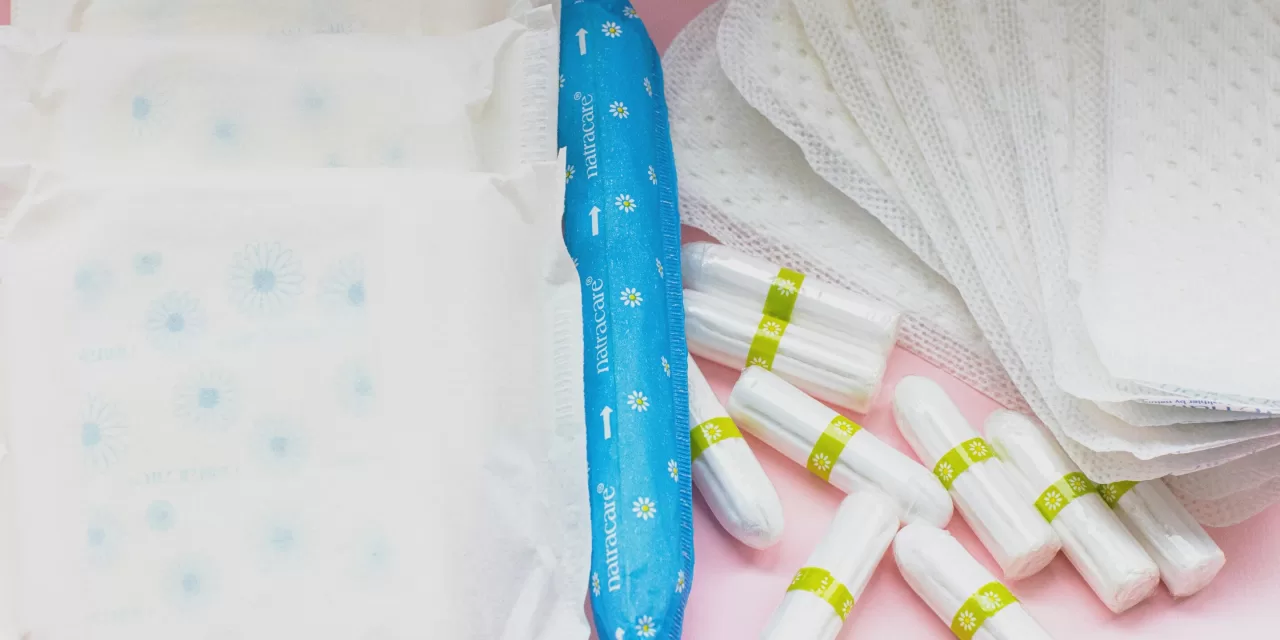
The results were eye-opening: out of 73 girls screened, 1 in 10 reported difficulty accessing menstrual products. Some disclosed having to use toilet paper as a substitute for pads, while others admitted to skipping school out of fear of bleeding through their clothes.
Opening the Door to Critical Conversations
Clinicians involved in the study noted that the screener often sparked broader conversations about menstrual health, revealing issues that may have otherwise gone unnoticed. “I was surprised: I feel like, 30%…of my teens have screened positive,” said one clinician, emphasizing the importance of asking these questions even if initial answers are negative.
Girls who indicated any need received a bag of menstrual supplies and information on where to obtain more free products, thanks to a partnership with The Period Project, a nonprofit dedicated to ending menstrual poverty.
Health Risks and Education Gaps
Experts warn that using makeshift alternatives like cloth or toilet paper can increase the risk of infections, vulvar irritation, and even toxic shock syndrome. Dr. Tambu Kudze, a pediatric and adolescent gynecologist not involved in the study, stressed the dangers of using products beyond their recommended duration.
The study also uncovered significant gaps in menstrual education. Some teens lacked basic understanding of their cycles and the proper use of pads and tampons, highlighting the need for better education alongside material support.
A Call to Action for Healthcare Providers
Despite the clear need, screening for menstrual product access is not yet routine in most clinics. Dr. Callie Brown, senior author of the study, advocates for integrating written questionnaires into standard practice to help patients feel comfortable disclosing their struggles.
“It’s important to then have the resources,” Dr. Kudze added. “You can’t just say ‘I’m sorry that you don’t have pads’ and then leave it there.”
Broader Implications
The issue extends beyond North Carolina. A recent study found that 1 in 3 girls visiting an emergency department in Washington, DC, could not afford menstrual supplies, often resorting to unsafe alternatives.
As awareness grows, experts hope more clinics will adopt screening protocols and partner with local organizations to ensure no teen has to choose between their health and their education.
Disclaimer:
This article is based on findings reported in a recent Pediatrics study and summarized from a Medscape article. The information provided is for educational and informational purposes only and does not constitute medical advice. For specific concerns regarding menstrual health or access to menstrual products, please consult a healthcare professional.
Citations: