 0
0
 0
0
BRISBANE, AUSTRALIA – The global supply of safe blood, essential for countless medical procedures and emergency situations, is under threat from the impacts of climate change, according to a new study.
Researchers from the University of the Sunshine Coast (UniSC) and Australian Red Cross Lifeblood have outlined how climate change could jeopardise the availability and safety of blood worldwide in findings published in The Lancet Planetary Health.
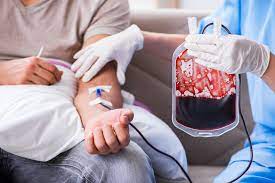
The study highlights a dual threat: climate change is expected to negatively impact the ability of people to donate blood while simultaneously increasing the demand for blood transfusions.
“Warmer temperatures and natural disasters such as heat waves, floods, cyclones and bushfires are expected to become more frequent and severe,” explained Dr. Elvina Viennet, a Lifeblood researcher and UniSC Adjunct Research Fellow. “These events disrupt the storage, safety, and transportation of blood, which has a short shelf life, as well as limiting the mobility of potential donors.”
Dr. Viennet noted a recent example in Australia: “We experienced this recently with ex-Tropical Cyclone Alfred… when an extreme weather event drastically reduced national blood supplies for the first time.”
This research is described as the first to globally examine how climate change could affect every step of the blood supply chain, from donor health through to distribution. Lead researcher, UniSC Associate Professor Helen Faddy, stated, “While many studies have explored the broader health effects of climate change, we sought to fill gaps in understanding the full extent of the risks.”
The findings indicate several key areas of concern:
- Spread of Infectious Diseases: Warmer temperatures and increased rainfall could expand the reach of mosquito-borne diseases like Dengue Fever, West Nile Virus, and Malaria – including into new regions like parts of Australia. These diseases can be transmitted via blood and prevent infected individuals from donating.
- Increased Demand: Climate change-related events and conditions are expected to drive up the need for blood. This includes treating injuries from natural disasters, managing conditions worsened by heat like cardiovascular disease, and addressing issues like pregnancy complications and sickle cell disease, which may become more prevalent or severe.
- Donor Health and Availability: Extreme heat can directly impact donors through issues like blood pressure fluctuations and dehydration. Furthermore, psychological distress and ‘climate anxiety’ could also affect donor turnout. Displacement due to disasters or rising sea levels could hinder access to regular donors and necessitate a more diverse donor pool from various ethnic backgrounds due to migration.
- Logistical Disruptions: Extreme weather events directly impede the collection, safe storage, and transportation of blood products.
The researchers stress the need for proactive measures to build resilience in blood supply systems. “We need to reduce reliance on traditional blood supply chains and have adaptable strategies that offer rapid responses to climate-related challenges,” said Associate Professor Faddy.
Recommendations include implementing early warning systems, enhancing disease surveillance, adopting flexible donor eligibility criteria during emergencies, improving hospital preparedness, and expanding collection services for rapid relocation. The study also points to innovations like using drones for blood transport in disrupted areas, employing cell salvage techniques during surgery to reduce transfusion needs, and establishing ‘walking blood banks’ where donations are collected on-site during crises.
The study concludes that governments and blood services must act now to prepare for the mounting pressures of climate change on this vital resource.
Disclaimer: This news article is based on information sourced from a study published in The Lancet Planetary Health involving researchers from the University of the Sunshine Coast and Australian Red Cross Lifeblood. The details presented summarise the study’s findings and conclusions as reported by the source material.