 0
0
 0
0
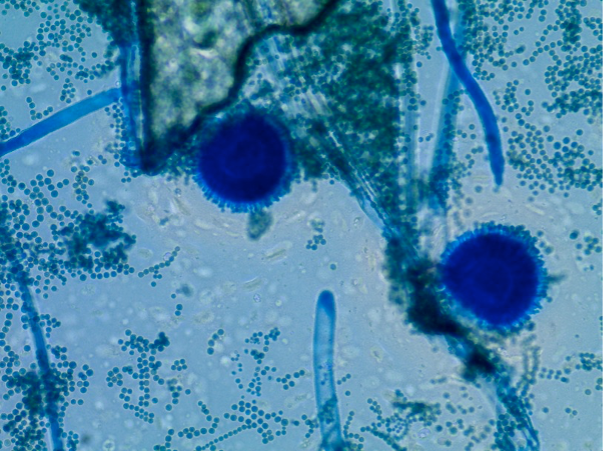
A recent scientific study has sounded the alarm on the escalating threat posed by the deadly fungus Aspergillus fumigatus, which is expected to infect millions across Europe, Asia, and the Americas as global temperatures rise. Researchers warn that climate change is pushing the world toward a critical tipping point where fungal infections could become widespread and increasingly difficult to control.
The Fungus and Its Growing Threat
Aspergillus fumigatus is commonly found in compost and thrives in hot, moist environments. It is uniquely adapted to survive at high temperatures, including the 37°C internal heat of the human body. While healthy individuals typically remain unaffected, people with underlying respiratory conditions such as asthma, cystic fibrosis, or compromised immune systems face serious risks of developing severe lung infections upon inhaling fungal spores.
Norman van Rhijn, co-author of the study, emphasized the gravity of the situation, warning that the consequences could involve “hundreds of thousands of lives” lost and significant disruptions to global ecosystems.
Limited Scientific Understanding and Research Gaps
One of the challenges in combating fungal threats is the limited scientific knowledge about fungi. Experts estimate that only about 10% of the world’s estimated 1.5 to 3.8 million fungal species have been formally identified, and even fewer have had their genomes sequenced. This lack of data hampers efforts to anticipate emerging fungal pathogens and develop effective treatments.
Professor Elaine Bignell from the University of Exeter’s MRC Centre for Medical Mycology highlighted the fungus’s extraordinary resilience, noting its ability to survive in harsh environments such as compost piles and even the irradiated interiors of Chernobyl’s reactors. This adaptability gives A. fumigatus an evolutionary advantage in infecting humans.
Projected Expansion and Urgent Call for Action
The study projects a grim future: by 2100, Aspergillus fumigatus could expand its geographical reach by 77%, potentially exposing up to nine million people in Europe alone to infection. This alarming expansion is closely linked to ongoing fossil fuel consumption and the resulting climate change.
Despite the rising risk, antifungal drug development remains underfunded and overlooked. High research costs and limited financial incentives for pharmaceutical companies have left this critical area of public health preparedness severely neglected.
Scientists are urgently calling for increased investment in fungal research and enhanced public health strategies to prevent a looming global health crisis.
Disclaimer
This article is based on information from a recent scientific study and reports available as of May 2025. The situation regarding fungal infections and climate change is evolving, and ongoing research may provide new insights. Readers are advised to consult healthcare professionals for medical advice and stay updated with official public health guidelines.
Citations: