 0
0
 0
0
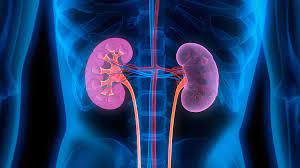
A recent landmark study published in The Lancet Regional Health – Southeast Asia has revealed a strikingly high prevalence of chronic kidney disease (CKD) among agricultural workers in Tamil Nadu, India. The study found that approximately 5.31% of agricultural workers in the region have CKD, with about half of these cases representing chronic kidney disease of unknown cause (CKDu). This puzzling form of kidney disease is not linked to traditional risk factors such as diabetes or hypertension and primarily affects those engaged in agricultural labor. The findings have profound implications for public health and agricultural laborers’ well-being, demanding urgent attention and action.
Key Findings and Study Details
The population-based cross-sectional study encompassed 3,350 agricultural workers sampled across diverse agro-climatic zones of Tamil Nadu using a stratified multi-stage cluster sampling technique to ensure representativeness. Researchers conducted clinical evaluations and laboratory testing in two phases—first during the hotter period of August 2025 and then three months later in the cooler December 2025. The key measurement was the estimated glomerular filtration rate (eGFR), an indicator of kidney function, with values below 60 mL/min/1.73 m² signaling significant kidney function loss consistent with CKD.
Initially, 584 participants (17.43%) had an abnormal eGFR, which reduced to 178 (5.31%) in the follow-up, confirming persistent chronic kidney disease. About half of these confirmed cases were classified as CKDu because they lacked conventional causes such as diabetes and hypertension. The study also identified episodes of transient subclinical acute kidney injury (AKI) in 17.4% of the population during the hotter season, which may predispose to chronic damage if recurrent.
The research team highlighted several factors significantly associated with chronic kidney disease, including advancing age, diabetes, hypertension, anemia, lack of formal education, smokeless tobacco use, and longer weekly hours spent working outdoors. Working under intense heat conditions—a hallmark of agricultural labor in tropical regions—is suspected to cause repeated small-scale kidney injuries contributing over time to irreversible damage. Exposure to agrochemicals and environmental toxins may also be contributory, although their precise role requires further investigation.
Dr. Natarajan Gopalakrishnan, lead author and nephrologist at Madras Medical College, noted, “Chronic kidney disease of unknown cause represents a silent epidemic affecting our farming communities. Heat stress, combined with environmental exposures, may be driving this alarming trend”.
Global and Regional Perspectives
CKDu is increasingly recognized as a global health challenge, especially in agricultural hotspots of South Asia, Central America, and parts of Africa. Previous studies from Sri Lanka, Central America, and India have reported similar associations of CKDu with outdoor manual labor and environmental factors, though the underlying causes remain incompletely understood. A 2023 Taiwanese study showed farming occupation increased CKDu risk by 9%, particularly with rising ambient temperatures, underscoring the role of heat exposure in disease development.
Implications for Public Health
The study emphasizes that CKD among agricultural workers often goes undiagnosed, with only about one in seven individuals with reduced kidney function being aware of their condition. This underdiagnosis hampers early intervention efforts crucial for slowing disease progression. The detection of transient AKI episodes suggests that the kidneys of these workers endure repeated stress, potentially escalating to chronic damage without symptomatic warning.
For policymakers and healthcare providers, the findings highlight the urgent need for targeted screening programs tailored to agricultural workers, adoption of preventive measures like heat exposure mitigation, improved hydration strategies, and careful monitoring of kidney function over time. Interventions must also address broader social determinants such as education and tobacco use to reduce risk.
The study’s strength lies in its large sample size and rigorous two-phase methodology capturing seasonal variability. However, it is limited to Tamil Nadu and may not capture all regional variations within India. The exact causal pathways of CKDu remain speculative, highlighting the need for further longitudinal and mechanistic research, including the role of occupational chemicals and repeated subclinical kidney injury events.
Expert Commentary
Dr. Aparna Sharma, a nephrologist not involved in the study, remarked, “This study greatly contributes to our understanding of CKDu in India. The evidence pointing to heat stress and outdoor work as risk factors is compelling, but comprehensive strategies at the community and policy levels are needed to protect vulnerable populations from this stealthy disease.” She also stressed the importance of raising awareness among healthcare workers to recognize and manage early kidney damage [expert interview].
Practical Takeaways for Readers
While CKDu is a complex occupational health issue, individuals working outdoors, especially in agriculture, should be vigilant about hydration and minimizing heat exposure during peak sunlight hours. Routine health check-ups including kidney function tests (eGFR and urine analysis) can aid early detection. Avoiding tobacco and managing chronic conditions such as diabetes and hypertension remain critical preventive steps.
Medical Disclaimer: This article is for informational purposes only and should not be considered medical advice. Always consult with qualified healthcare professionals before making any health-related decisions or changes to your treatment plan. The information presented here is based on current research and expert opinions, which may evolve as new evidence emerges.
References