 0
0
 0
0
QUETTA, PAKISTAN — A deadly cholera outbreak in Pakistan’s southwestern Balochistan province has claimed the lives of eight people this week, including six children, health officials confirmed on Saturday. The latest fatalities in the Musakhel district have raised the death toll to 12 over the past three weeks, highlighting the severe public health challenges facing the region as it grapples with a deepening water crisis.
The Outbreak: A Crisis in Musakhel
The surge in cases is centered in the Cheena Khundi area of the Musakhel district, a remote region where access to medical facilities and clean drinking water remains precarious. According to District Health Officer (DHO) Abdul Ghaffar Khetran, the victims included six children and two adult men, a demographic breakdown that underscores the vulnerability of pediatric populations to rapid dehydration caused by the disease.
“The situation is critical,” DHO Khetran reported. “In addition to the confirmed fatalities, at least 14 other patients are currently undergoing emergency treatment.”
In response to the escalating emergency, provincial health authorities have mobilized medical teams from the neighboring districts of Quetta, Loralai, and Barkhan. With local facilities overwhelmed, a government school in the affected area has been hastily converted into a temporary field hospital to isolate and treat patients. Health officials have also dispatched essential medicines and oral rehydration salts (ORS) to the region while environmental teams collect water samples to pinpoint the contamination source.
A “Perfect Storm” for Disease
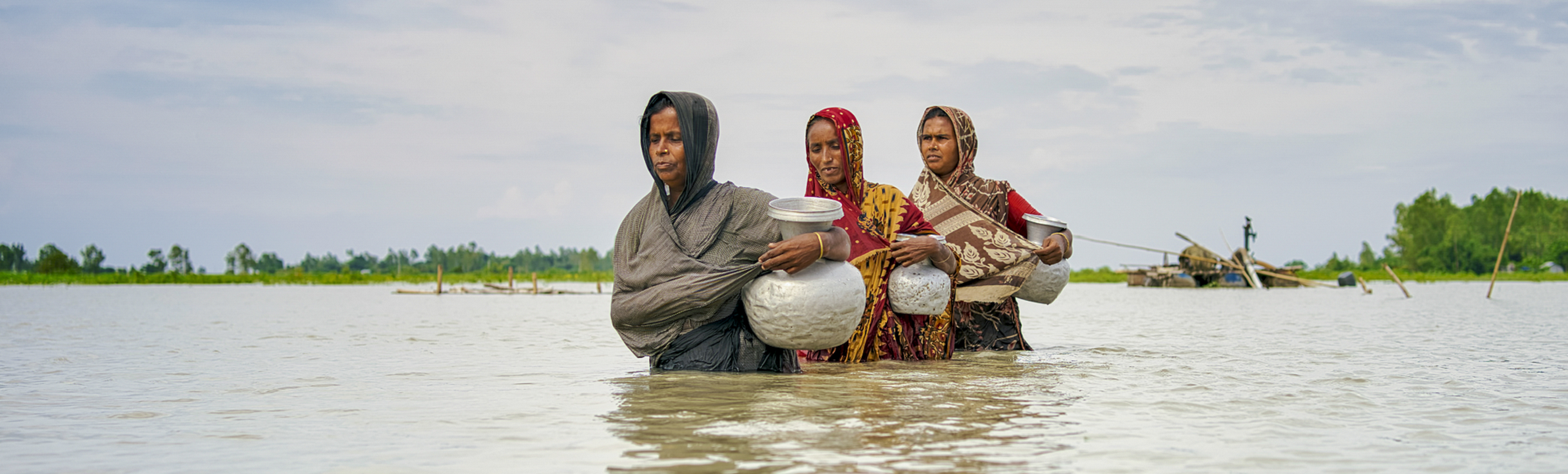
While the immediate trigger for this cluster of cases is being investigated, experts point to a broader environmental and infrastructural crisis in Balochistan as the root cause. The province, Pakistan’s largest by area but least populated, has been battling an acute water shortage.
Reports from late 2025 indicate that groundwater levels in Quetta and surrounding districts have been dropping by 3 to 4 feet annually, forcing residents to rely on unsafe or unregulated water sources. In October 2025, environmental experts warned that the depletion of aquifers and the drying up of traditional karezes (underground canals) were pushing communities toward consuming contaminated water.
“Cholera is a disease of inequity,” says Dr. Sarah Khan, a public health specialist and epidemiologist based in Islamabad (name changed for privacy). “It thrives where infrastructure fails. When you have a combination of drought-induced water scarcity and a lack of sanitation infrastructure, you create a perfect storm for waterborne pathogens like Vibrio cholerae to spread.”
Medical Context: The “Blue Death”
Cholera is an acute diarrheal infection caused by ingestion of food or water contaminated with the bacterium Vibrio cholerae. It is often referred to as the “blue death” due to the skin turning a bluish-gray hue from extreme dehydration.
-
Transmission: The disease spreads through the fecal-oral route, typically via water sources contaminated with sewage.
-
Symptoms: Most infected people have no or mild symptoms, but about 1 in 10 will develop severe disease characterized by profuse watery diarrhea, vomiting, and leg cramps.
-
Danger: Rapid loss of body fluids leads to dehydration and shock. Without treatment, death can occur within hours.
“The tragedy of cholera is that it is entirely treatable,” explains Dr. Khan. “Rehydration is the cornerstone. With prompt administration of oral rehydration solution (ORS) and intravenous fluids for severe cases, the case fatality rate drops to less than 1%.”
Global and Regional Implications
The outbreak in Pakistan is not an isolated event but part of a worrying global trend. The World Health Organization (WHO) reported that in 2025, cholera outbreaks were active in 31 countries, a significant increase from previous years. The WHO noted a 50% rise in cholera-related deaths globally in 2024, driven by a convergence of conflict, climate change, and poverty.
For Balochistan, the implications are dire. The province has historically suffered from underinvestment in water, sanitation, and hygiene (WASH) infrastructure. With the 2025 winter approaching, the typical “heat wave” drivers of cholera are less relevant, suggesting that the current outbreak is driven primarily by the collapse of safe water access rather than seasonal temperature spikes.
Public Health Advice
Health authorities are urging residents in the affected areas to take immediate precautions:
-
Boil Water: Bring water to a rolling boil for at least one minute before drinking.
-
Hygiene: Wash hands frequently with soap and safe water, especially after using the toilet and before preparing food.
-
Seek Care: If anyone experiences sudden, watery diarrhea, they should seek medical attention immediately. DO NOT wait.
“Community awareness is our first line of defense right now,” DHO Khetran emphasized. “We are asking people not to drink from open water sources until our testing is complete.”
Medical Disclaimer:
This article is for informational purposes only and should not be considered medical advice. Always consult with qualified healthcare professionals before making any health-related decisions or changes to your treatment plan. The information presented here is based on current research and expert opinions, which may evolve as new evidence emerges.
References:
-
Primary Source: Xinhua News Agency. (2025, December 13). Cholera outbreak kills 8 in SW Pakistan.