 0
0
 0
0
The ongoing cholera outbreak across Africa in 2025 has resulted in over 6,700 deaths and nearly 295,000 reported cases, marking a sharp increase in both morbidity and mortality compared to previous years, according to the Africa Centers for Disease Control and Prevention (Africa CDC). This surge signals a grave and escalating public health emergency driven by factors including inadequate access to clean water and sanitation, conflict, displacement, and strained healthcare systems across the continent. Without urgent, coordinated responses, the outbreak’s impact will likely worsen significantly in the months ahead.
Rapid Rise in Cases and Fatalities
As of late October 2025, Africa CDC reports 6,795 deaths linked to cholera infections in 23 affected countries. The total number of cases has reached 294,244, reflecting a case fatality rate (CFR) of approximately 2.3%, which is notably higher than rates observed in previous years. This rise represents nearly a tripling in both cases and deaths compared to 2022 levels, illustrating how the disease’s burden has intensified steadily over the past few years. The outbreak hotspots currently include South Sudan, Sudan, the Democratic Republic of the Congo (DRC), and Angola, which collectively account for a significant share of cases and fatalities.
Cholera: A Preventable, Yet Deadly Disease
Cholera, caused by the bacterium Vibrio cholerae, is an acute diarrheal illness that spreads through ingestion of contaminated food or water. If untreated, it can lead to severe dehydration and death within hours. The disease’s transmission is closely linked to poor water, sanitation, and hygiene (WASH) conditions—issues exacerbated by poverty, conflict, displacement, and climate variability. Efforts such as timely Oral Rehydration Therapy (ORT), appropriate antibiotic use, and rehydration with intravenous fluids can drastically reduce mortality, yet access to such care remains limited in many affected African regions.
Expert Commentary
Dr. Amina Hassan, an infectious disease specialist at the University of Nairobi, emphasized, “The current cholera outbreak in Africa highlights a fundamental public health failure in ensuring universal access to clean water and effective sanitation. Without addressing these underlying social determinants, outbreaks will continue to recur with devastating consequences for vulnerable populations.” She added that integrated responses involving health system strengthening, vaccination campaigns, and robust surveillance are urgently needed to curtail transmission and fatalities.
Contextual Public Health Challenges
The cholera outbreak coincides with other significant infectious disease burdens on the continent, notably mpox and measles, which also show rising case numbers and deaths this year. The Africa CDC notes that about 30 countries are managing mpox outbreaks with over 200,900 cases and 2,086 resulting deaths, alongside more than 127,000 measles cases and over 1,000 deaths in 2025 alone. These overlapping epidemics place enormous strain on health infrastructure already challenged by limited resources and ongoing crises, impeding rapid, effective cholera control measures.
Implications for Public Health and Policy
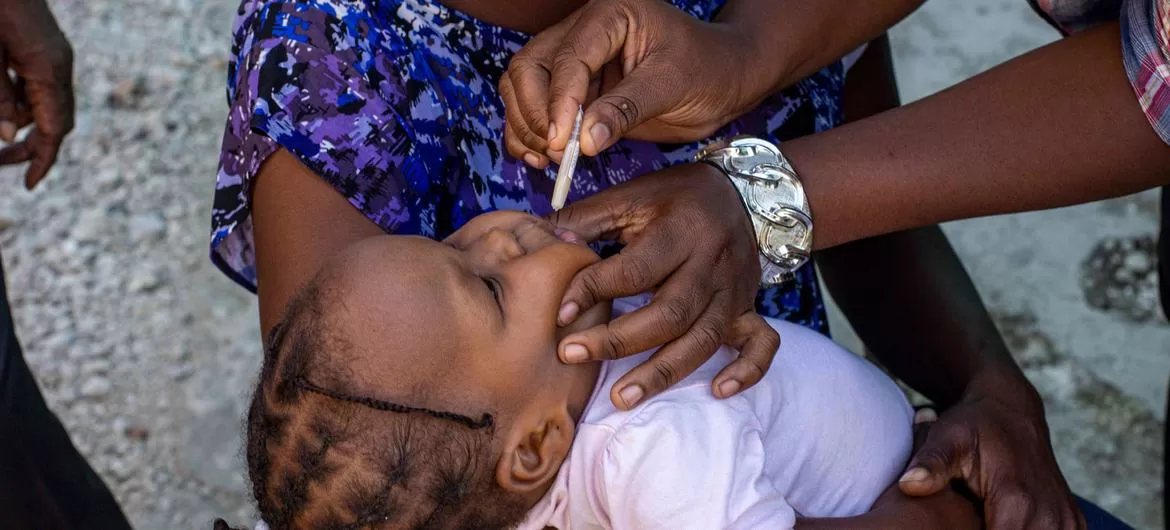
The large-scale cholera surge underlines the critical need for increased investments in WASH infrastructure, emergency public health preparedness, and cross-border collaboration. The World Health Organization (WHO) and Africa CDC launched a Continental Cholera Emergency Preparedness and Response Plan in August 2025, following high-level commitments from African leaders to eliminate cholera outbreaks by 2030. This ambitious plan focuses on strengthening surveillance, improving case management, scaling up vaccination campaigns with Oral Cholera Vaccine (OCV), and enhancing community engagement.
The role of OCV has been particularly important amidst vaccine shortages globally. In many African countries, single-dose campaigns have been employed due to limited supplies, covering millions of people in at-risk communities. However, the demand for vaccines continues to outpace supply, posing challenges to sustainable outbreak containment.
Limitations and Counterarguments
Despite comprehensive efforts, cholera control faces persistent obstacles. Conflict zones and displaced populations often lack reliable healthcare access, delaying treatment and accurate case reporting, which may result in underestimation of true outbreak size. Environmental factors, including flooding during rainy seasons, facilitate pathogen spread and complicate containment efforts. Some experts caution that while vaccines and treatments are vital, long-term success depends fundamentally on addressing socio-economic determinants that fuel recurrent outbreaks.
Practical Takeaways for Readers
For individuals in or traveling to affected regions, adherence to strict hygiene practices and safe food and water consumption are essential preventive measures. Using treated or boiled water, frequent handwashing with soap, and avoiding raw or street foods can reduce infection risk. Awareness that cholera can progress rapidly underscores the importance of seeking urgent medical care if acute watery diarrhea occurs.
Medical Disclaimer
This article is for informational purposes only and should not be considered medical advice. Always consult with qualified healthcare professionals before making any health-related decisions or changes to your treatment plan. The information presented here is based on current research and expert opinions, which may evolve as new evidence emerges.
References
-
Africa CDC. “Mid-Year Brief: Multi-Country Cholera Outbreak in Africa (1 January – 31 July 2025).” Published August 31, 2025. https://africacdc.org/download/mid-year-brief-multi-country-cholera-outbreak-in-africa-1-january-31-july-2025/